
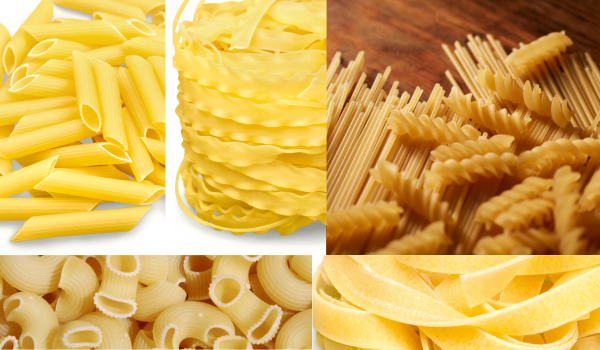
Pasta is often viewed as a food that quickly raises blood sugar levels because it is rich in carbohydrates. However, not all pasta affects the body the same way. The ingredients used, along with the amount of fiber and protein, can significantly influence how quickly glucose enters the bloodstream after a meal.
Some modern pasta alternatives are made with legumes, soybeans, or high-fiber ingredients that digest more slowly and may help support steadier blood sugar levels. These options can be especially useful for people with insulin resistance, prediabetes, type 2 diabetes, or anyone trying to maintain better energy balance throughout the day.
Here are six pasta varieties that may fit well into a blood sugar–friendly eating plan.
Chickpea Pasta
Chickpea pasta is made primarily from ground chickpeas and may also include ingredients such as pea protein or rice flour.
Because chickpeas are naturally high in both protein and fiber, this type of pasta digests more slowly than traditional white pasta. Slower digestion helps reduce rapid spikes in blood sugar and may also increase feelings of fullness after meals.
Chickpea pasta can be a helpful option for people who often feel hungry shortly after eating refined carbohydrates or who want more stable energy levels throughout the day.
Its texture is similar to regular pasta, making it easy to substitute into familiar recipes.
Lentil Pasta
Lentil pasta is commonly made from red or green lentil flour and sometimes blended with pea flour for additional protein.
Lentils are rich in plant protein, fiber, and slowly digestible carbohydrates. Research suggests lentils may produce a lower post-meal blood sugar response compared to refined grain products.
This makes lentil pasta a good choice for people looking to increase protein intake while better managing blood sugar levels.
Its slightly earthy flavor works especially well with tomato-based sauces, roasted vegetables, and Mediterranean-style dishes.
High-Protein Enriched Pasta
High-protein pasta is designed to resemble traditional pasta while containing extra protein from ingredients such as pea protein, quinoa flour, chickpea flour, or lentil flour.
The added protein helps slow stomach emptying and carbohydrate absorption, leading to a gentler rise in blood sugar after meals.
Protein-rich meals may also improve satiety and help reduce cravings between meals.
This type of pasta may be especially useful for active individuals, athletes, or people who enjoy classic pasta textures but want improved nutritional balance.
Konjac Noodles
Konjac noodles are made from konjac root, a plant naturally high in a soluble fiber called glucomannan.
These noodles contain very little digestible carbohydrate and are often used in low-carb eating plans. Because they are high in soluble fiber, konjac noodles tend to cause a much smaller rise in blood sugar compared to traditional pasta.
Their texture is softer and slightly springy, which can feel different from wheat-based pasta, but many people enjoy them in stir-fries, soups, and Asian-inspired dishes.
Konjac noodles may be particularly helpful for individuals who are highly sensitive to starches or trying to reduce overall carbohydrate intake.
Edamame Pasta
Edamame pasta is made from soybeans and is naturally rich in protein and fiber.
Soy-based foods have been associated with improved blood sugar control and heart health in several studies. Because edamame pasta contains substantial amounts of plant protein, it digests more slowly and may help stabilize glucose levels after eating.
In addition to supporting blood sugar management, edamame pasta provides nutrients that may benefit cardiovascular health.
Its firm texture makes it a satisfying option for pasta salads, stir-fries, and protein-rich meals.
Whole Wheat Pasta
Whole wheat pasta is made using the entire wheat kernel rather than highly refined flour.
Because it retains more fiber and nutrients than regular white pasta, whole wheat pasta typically digests more slowly and may produce a steadier blood sugar response.
However, blood sugar effects can vary between individuals because whole wheat pasta still contains a substantial amount of carbohydrates.
For many people, it offers a more familiar pasta experience while providing better nutritional value than refined pasta.
What Affects Pasta’s Impact On Blood Sugar?
Several factors determine how strongly pasta influences blood sugar after a meal.
Refined Vs. Whole Grains
Refined pasta is made from processed grains that have had much of their fiber removed. Without fiber, digestion happens more quickly, often leading to sharper glucose spikes.
Whole-grain and legume-based pastas retain more fiber and nutrients, helping slow digestion and carbohydrate absorption.
Fiber And Protein Content
Fiber slows the rate at which glucose enters the bloodstream, while protein helps delay digestion and increase fullness.
Pastas made from beans, lentils, chickpeas, or soybeans usually contain significantly more fiber and protein than traditional white pasta.
Portion Size
Even healthier pasta options can raise blood sugar if consumed in very large portions. Smaller serving sizes naturally reduce total carbohydrate intake and may lead to more stable glucose responses.
What You Eat With Pasta Matters
Pairing pasta with vegetables, healthy fats, and protein sources can help slow digestion and reduce rapid blood sugar spikes.
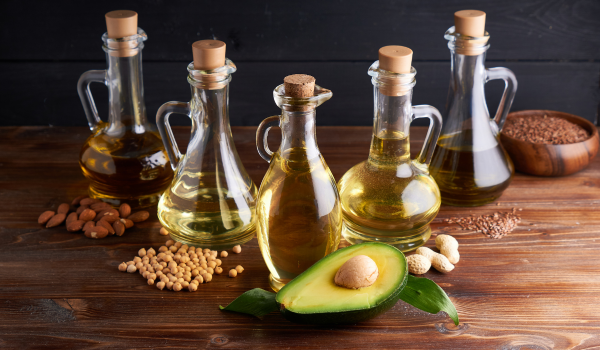
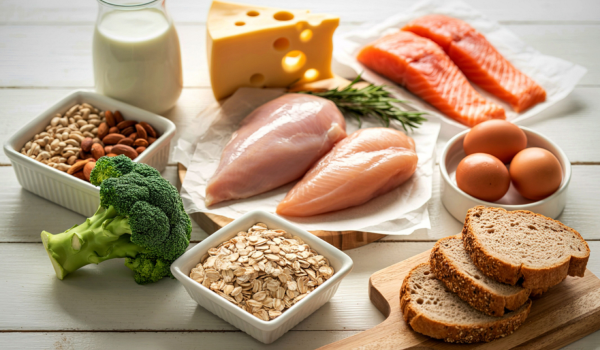
Adding foods such as salmon, olive oil, avocado, chicken, beans, nuts, or leafy greens may create a more balanced meal overall.
Cooling And Reheating Pasta May Help
Interestingly, cooling cooked pasta changes part of its starch into resistant starch, which digests more slowly.
Some research suggests that chilled or reheated pasta may cause a lower blood sugar rise compared to freshly cooked pasta.
This effect has been observed in certain legume-based pastas as well.
Enjoying Pasta In A Balanced Way
Having stable blood sugar does not necessarily mean eliminating pasta completely.
Choosing higher-fiber or higher-protein varieties, controlling portion sizes, and building balanced meals can allow pasta to fit into a healthy eating pattern for many people.
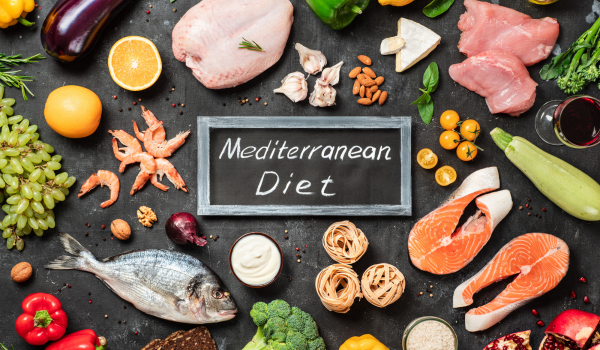
A balanced diet focused on whole foods, lean proteins, healthy fats, vegetables, legumes, and minimally processed carbohydrates remains one of the best long-term approaches for metabolic and overall health.

.png)













.png)
.png)
.png)
.png)

.png)
.png)
.png)
.png)
.png)
.png)
.png)
.png)
.png)
.png)



.png)
.png)
.png)
.png)
.png)
.png)

