.png)
Eating habits are often shaped by convenience and availability, with many foods accessible year-round regardless of natural growing cycles. However, there is growing interest in returning to a more natural approach known as seasonal eating. This concept focuses on consuming foods that are harvested at their peak during specific times of the year.
Seasonal eating is not just about freshness or taste. It also plays an important role in nutritional quality, environmental sustainability, and overall well-being. Foods that are grown and consumed in their natural season often retain more nutrients and require less processing.
Understanding why seasonal eating matters can help you make more informed food choices that support both your health and long-term sustainability.
What Seasonal Eating Really Means
Seasonal eating involves choosing fruits, vegetables, and other foods that are naturally grown and harvested during a specific time of year in your region or nearby areas.
natural growing cycles
Each type of produce has an ideal growing season when it reaches peak ripeness. During this time, the food develops its full flavor and nutritional profile.
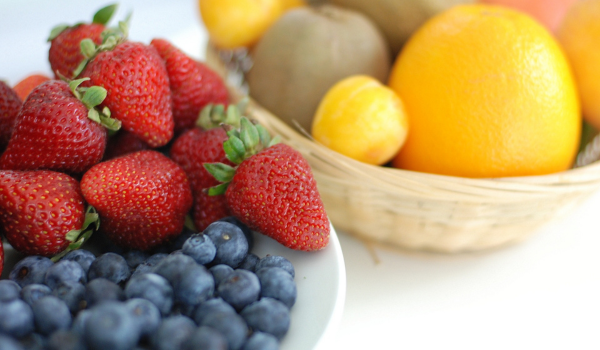
For example, berries are typically harvested in warmer months, while root vegetables are more common in cooler seasons.
local and regional influence
Seasonal eating often overlaps with locally sourced foods. When foods are grown closer to where they are consumed, they typically spend less time in storage or transport.
This can contribute to better freshness and nutrient retention.
How Seasonal Foods Support Better Nutrition
Choosing seasonal foods can improve the overall quality of your diet in several ways.
higher nutrient content
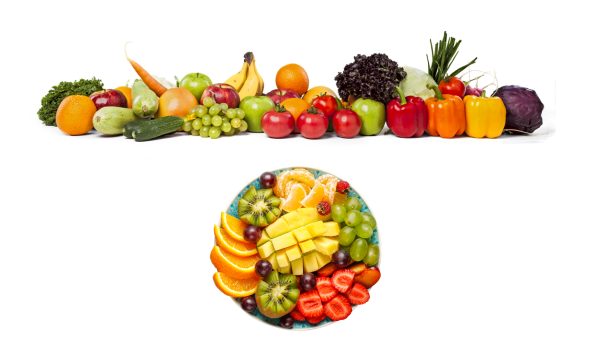
Fruits and vegetables that are harvested at peak ripeness tend to contain higher levels of vitamins, minerals, and antioxidants.
In contrast, foods that are harvested early and stored for long periods may lose some of their nutritional value over time.
better flavor and satisfaction
Seasonal foods often have better taste and texture. This can make meals more enjoyable and encourage the consumption of nutrient-rich foods.
Enjoyable meals are easier to maintain as part of a consistent eating pattern.
variety throughout the year
Seasonal eating naturally introduces variety into your diet. Different seasons bring different foods, which helps provide a broader range of nutrients.
This diversity supports overall nutritional balance.
The Impact Of Seasonal Eating On Overall Health
Seasonal eating can influence health beyond just nutrient intake.
supporting digestive health
Eating a variety of seasonal foods can help support digestive function. Fiber-rich fruits and vegetables contribute to a healthy gut microbiome.
Different seasonal foods provide different types of fiber and nutrients that benefit digestion.
aligning with natural body needs
Some experts suggest that seasonal foods may align with the body’s changing needs throughout the year.
For example, lighter, water-rich fruits are common in warmer months, while more nutrient-dense root vegetables are available in colder seasons.
This natural alignment can support overall balance.
Environmental And Sustainability Benefits
Seasonal eating also has positive effects beyond personal health.
reducing environmental impact
Foods grown in their natural season typically require fewer resources such as energy for storage and transportation.
This can help reduce the environmental footprint associated with food production.
supporting local agriculture
Choosing seasonal and locally grown foods supports local farmers and food systems.
This contributes to stronger communities and more sustainable food practices.
How To Practice Seasonal Eating In Daily Life
Incorporating seasonal eating into your routine can be simple and practical.
learn what is in season
Becoming familiar with seasonal produce in your region helps guide food choices.
Local markets often provide a good indication of what is currently in season.
shop at local markets
Farmers’ markets and local produce stands are great places to find fresh, seasonal foods.
These options often provide higher-quality ingredients compared to long-stored products.
adapt your meals
Adjusting meal plans based on available seasonal ingredients can add variety and improve nutrition.
For example, using fresh vegetables in summer salads or incorporating root vegetables into winter dishes.
Common Challenges And How To Overcome Them
While seasonal eating offers many benefits, it may also present some challenges.
limited availability of certain foods
Some foods may not be available year-round. Finding alternatives or adjusting recipes can help maintain balance.
Frozen fruits and vegetables can also be used when fresh options are not available.
habit changes
Shifting from convenience-based shopping to seasonal choices may require planning and adjustment.
Starting with small changes can make the transition easier.
Combining Seasonal Eating With Balanced Nutrition
Seasonal eating works best when combined with overall balanced nutrition.
include a variety of food groups
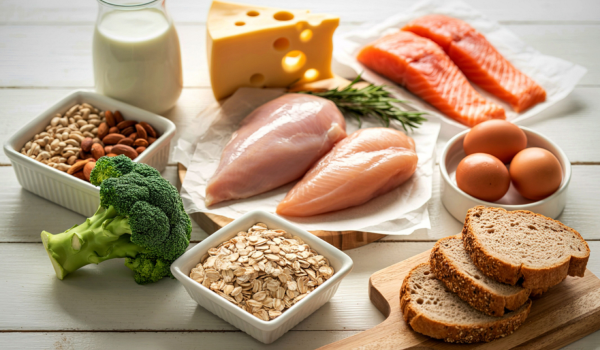
Even when focusing on seasonal foods, it is important to include a balance of vegetables, fruits, proteins, whole grains, and healthy fats.
maintain flexibility
Seasonal eating does not need to be strict. Flexibility allows for practical choices while still prioritizing fresh and nutrient-rich foods.
Conclusion
Seasonal eating offers a natural and effective way to improve nutrition while supporting overall health and sustainability. By choosing foods that are fresh, locally available, and harvested at their peak, it becomes possible to enjoy meals that are both nutritious and flavorful.
This approach encourages variety, supports digestive health, and contributes to a more sustainable food system. Small changes, such as selecting seasonal produce or visiting local markets, can make a meaningful difference.
Start exploring seasonal foods in your area and discover how they can enhance your daily meals. Explore more nutrition tips and healthy eating guides on Health365s to continue building a healthier and more sustainable lifestyle.

.png)







.png)
.png)
.png)
.png)
.png)
.png)
.png)
.png)
.png)
.png)
.png)
.png)
.png)


.png)
.png)
.png)
.png)
.png)
.png)