.png)
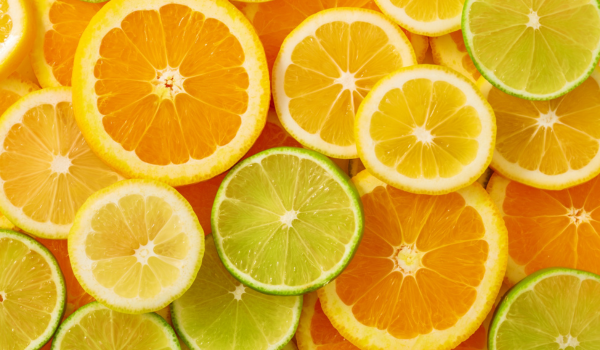
When most people think about vitamin C, oranges are usually the first food that comes to mind. However, many fruits and vegetables actually contain far more vitamin C per serving than oranges. Adding these nutrient-rich foods to your diet can help support immune health, skin function, collagen production, and overall wellness.
Vitamin C is an essential water-soluble vitamin, meaning your body cannot store large amounts of it. Because of this, regular intake through food is important for maintaining healthy levels and supporting long-term health.
Red Bell Peppers
Red bell peppers are one of the most concentrated sources of vitamin C available. Just one cup of chopped red bell peppers provides around 191 milligrams of vitamin C, which is more than double the recommended daily value for most adults.
Compared to green peppers, red peppers contain significantly more vitamin C and antioxidants because they are allowed to fully ripen before harvest. In addition to supporting immune health, red bell peppers also provide vitamin A and plant compounds that help protect cells from oxidative stress.
Their naturally sweet flavor and crisp texture make them easy to add to salads, stir-fries, sandwiches, and roasted vegetable dishes.
Guava
Guava is a tropical fruit known for its sweet yet slightly tart flavor and exceptional nutritional profile. A single guava can provide approximately 376 milligrams of vitamin C, making it one of the richest fruit sources of this nutrient.
Native to Central and South America, guava comes in several varieties with white, yellow, pink, or red flesh. Along with vitamin C, guava also contains fiber and antioxidant compounds that may help support digestive and immune health.
Guava can be enjoyed fresh, blended into smoothies, or added to fruit salads for a refreshing nutritional boost.
Black Currants
Black currants are small dark berries packed with nutrients and antioxidants. One cup provides roughly 203 milligrams of vitamin C, making them a much stronger source than many common fruits.
These berries are also rich in anthocyanins and other antioxidant compounds that may help reduce oxidative stress and support overall wellness. Their tart flavor makes them popular in juices, jams, smoothies, and desserts.
Because of their impressive nutrient density, black currants are often considered one of the healthiest berries available.
Kakadu Plum
Kakadu plum is widely regarded as one of the most powerful natural sources of vitamin C in the world. Native to Australia, this fruit contains an extraordinary amount of vitamin C, with a small serving providing thousands of milligrams.
In addition to its vitamin C content, Kakadu plum is extremely rich in antioxidants and may contain significantly higher antioxidant activity than blueberries.
Fresh Kakadu plums are difficult to find outside Australia, but powdered versions are increasingly available online and in health food products. These powders are often added to smoothies, supplements, and wellness blends.
Litchis
Litchis, also known as lychees, are sweet tropical fruits originally native to China. One cup of litchis provides approximately 136 milligrams of vitamin C along with beneficial antioxidant plant compounds called polyphenols.
These nutrients may help support immune function, skin health, and protection against cellular damage caused by free radicals.
Litchis are commonly enjoyed fresh but are also used in juices, desserts, teas, and fruit-based beverages because of their refreshing sweetness.
Chili Peppers
Chili peppers are best known for their intense spicy flavor, but they are also surprisingly rich in vitamin C. One cup of chopped chili peppers contains approximately 364 milligrams of vitamin C, far more than many fruits traditionally associated with this nutrient.
Chili peppers also contain capsaicin, the compound responsible for their heat. Capsaicin has been studied for potential benefits related to metabolism, inflammation, and circulation.
Because of their bold flavor, chili peppers can easily enhance soups, sauces, stir-fries, marinades, and countless savory dishes while also increasing vitamin C intake.
Why Vitamin C Matters
Vitamin C plays many important roles throughout the body. As a powerful antioxidant, it helps protect cells against oxidative stress and free radical damage that may contribute to aging and chronic disease.
The nutrient is also essential for collagen production, which supports healthy skin, joints, bones, and wound healing. In addition, vitamin C helps improve iron absorption and supports proper immune system function.
Most adults need between 75 and 120 milligrams of vitamin C each day depending on age, sex, and pregnancy status. Fortunately, eating a diet rich in fruits and vegetables can help most people easily meet their daily needs naturally.
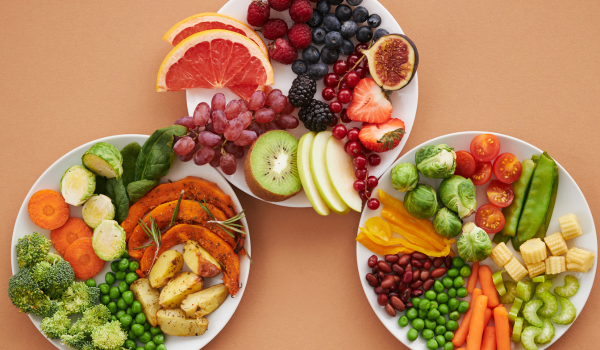
Including a variety of vitamin C-rich foods in your meals may help support overall health, improve nutrient intake, and strengthen long-term wellness.

.png)










.png)
.png)
.png)

.png)
.png)
.png)
.png)
.png)
.png)
.png)
.png)
.png)
.png)




.png)
.png)
.png)
.png)
.png)
.png)