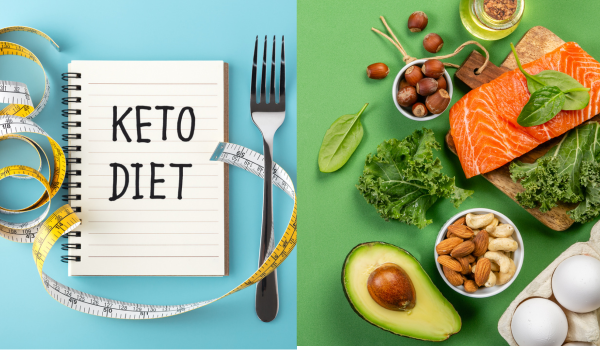
Keto 2.0 is a newer variation of the ketogenic diet designed to be less restrictive and easier to maintain long term. While the traditional keto diet focuses on extremely low carbohydrate intake to force the body into ketosis, Keto 2.0 allows significantly more carbohydrates and places greater emphasis on food quality and nutritional balance.
Because of these differences, Keto 2.0 may appeal to people who want some benefits of lower-carb eating without following the strict rules of a classic ketogenic diet.
However, the two approaches differ in several important ways, including carbohydrate intake, food variety, nutritional flexibility, and the likelihood of reaching ketosis.
Keto 2.0 Allows More Carbohydrates
One of the biggest differences between Keto 2.0 and traditional keto is the amount of carbohydrates allowed.
Traditional keto diets are usually extremely low in carbohydrates, often limiting intake to around 20 to 50 grams per day. In many versions of keto, carbohydrates make up only about 5% to 10% of total daily calories.
Keto 2.0 is less strict and typically allows around 20% of total daily calories to come from carbohydrates. For someone eating 2,000 calories daily, this could equal roughly 100 grams of carbohydrates per day.
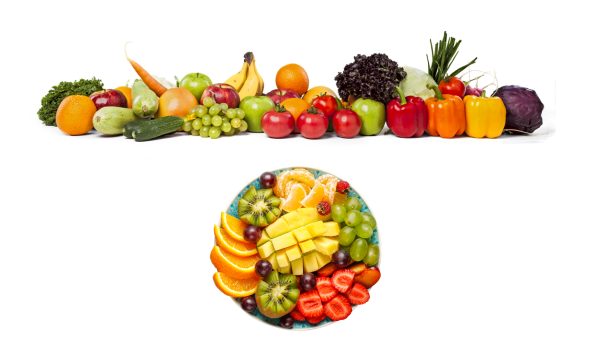
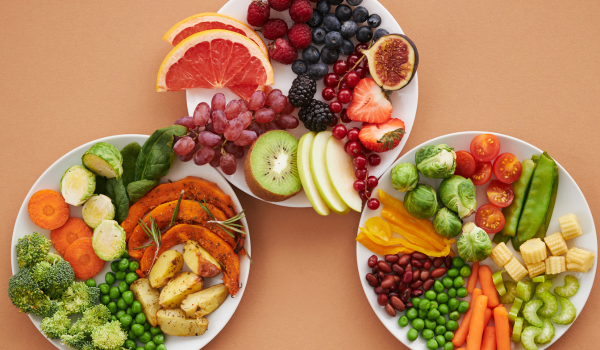
This higher carbohydrate allowance makes it easier to include more nutrient-rich plant foods such as:
- Fruits
- Vegetables
- Whole grains
- Legumes
- Beans
- Fiber-rich foods
Because of this, Keto 2.0 may provide more vitamins, minerals, antioxidants, and dietary fiber than traditional keto.
Keto 2.0 Focuses More On Food Quality
Traditional keto primarily focuses on keeping carbohydrates extremely low in order to maintain ketosis.
Keto 2.0 still limits carbohydrates but generally places greater emphasis on choosing healthier, minimally processed foods rather than simply maximizing fat intake.
This version often encourages:
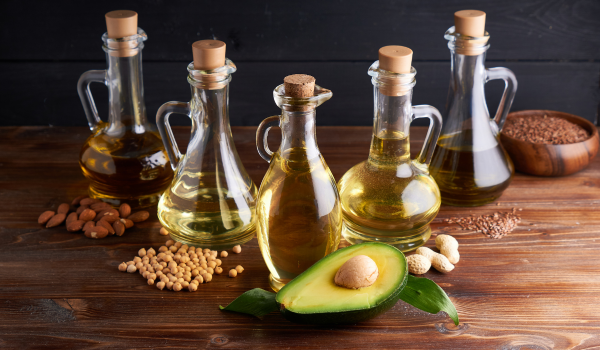
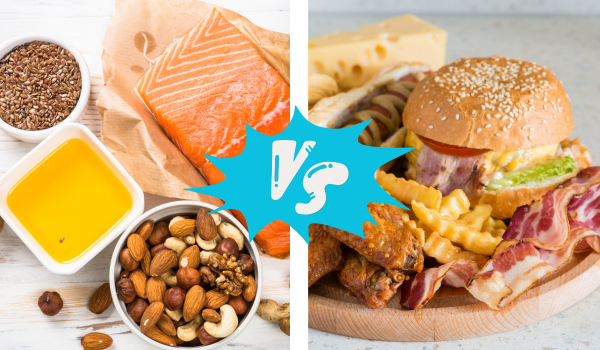
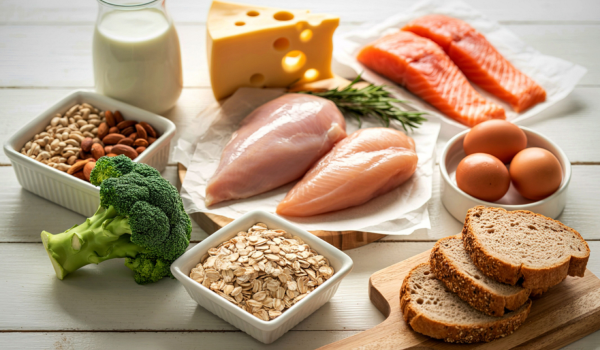
- Healthy fats from nuts, seeds, and olive oil
- Fatty fish rich in omega-3s
- High-fiber vegetables
- Whole-food protein sources
- More plant-based ingredients
The additional flexibility may make it easier to build a more nutritionally balanced eating pattern.
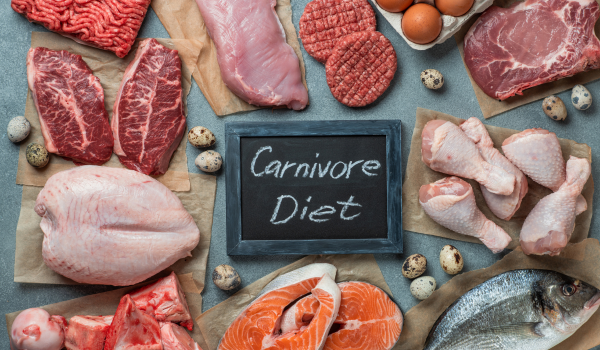
In contrast, some versions of traditional keto may rely heavily on foods high in saturated fat such as butter, heavy cream, bacon, processed meats, and large amounts of cheese.
Traditional Keto Has More Scientific Research
The traditional ketogenic diet has been studied extensively for decades.
Researchers have investigated keto for conditions such as:
- Epilepsy
- Type 2 diabetes
- Obesity
- Metabolic syndrome
- Neurological disorders
Because of this, there is much more scientific evidence available regarding the effects, risks, and benefits of traditional keto.
Keto 2.0, however, is still relatively new and has not been formally researched to the same extent. Experts currently do not have enough evidence to fully evaluate its long-term health effects or recommend it for specific medical conditions.
Does Keto 2.0 Cause Ketosis?
Ketosis occurs when carbohydrate intake becomes low enough that the body begins using fat and ketones as its primary energy source instead of glucose.
Because Keto 2.0 allows substantially more carbohydrates than traditional keto, many experts question whether most people following the plan would actually remain in ketosis.
While some individuals may still produce small amounts of ketones, the higher carbohydrate intake may prevent full ketosis in many cases.
As a result, Keto 2.0 may function more like a moderate low-carb diet rather than a strict ketogenic diet.
Possible Benefits Of Keto 2.0
Although direct research on Keto 2.0 is limited, some potential benefits may exist depending on a person’s previous eating habits and food choices.
May Improve Overall Diet Quality
For people previously eating large amounts of:
- Ultra-processed foods
- Refined carbohydrates
- Sugary snacks
- Fast food
- Added sugars
Switching to Keto 2.0 may naturally improve overall nutrition and reduce excessive calorie intake.
Reducing highly processed foods often leads to better energy levels, improved blood sugar stability, and healthier eating habits overall.
Allows More Nutrient-Dense Foods
Compared to traditional keto, Keto 2.0 makes it easier to consume foods rich in:
- Fiber
- Antioxidants
- Vitamins
- Minerals
- Phytonutrients
This may better support digestive health, heart health, and long-term nutritional balance.
May Provide Healthy Fats
Keto 2.0 often encourages fats from healthier sources such as:
- Nuts
- Seeds
- Olive oil
- Avocados
- Fatty fish
These foods contain essential fatty acids like omega-3s, which support heart, brain, and eye health.
Potential Risks And Concerns
Although Keto 2.0 may be less restrictive than traditional keto, there are still potential downsides to consider.
Cholesterol Changes
If the diet includes large amounts of saturated fat from foods such as:
- Butter
- Processed meats
- Red meat
- Heavy cream
Some individuals may experience increases in LDL cholesterol and triglycerides, both associated with higher cardiovascular risk.
Nutrient Deficiencies
Even though Keto 2.0 allows more plant foods than traditional keto, it still restricts many carbohydrate-rich foods that normally provide important nutrients and fiber.
Poorly planned versions of the diet may still lead to deficiencies over time.
Digestive Problems
Lower fiber intake compared to balanced diets may contribute to constipation or gut health issues in some individuals.
Sustainability Challenges
Like many restrictive diets, Keto 2.0 may be difficult to maintain long term for some people.
Strict food rules can create stress around eating and may interfere with social situations, travel, or long-term consistency.
Is Keto 2.0 Right For You?
Whether Keto 2.0 is appropriate depends on your personal health goals, medical history, lifestyle, and nutritional needs.
Some people may appreciate the added flexibility and wider food choices compared to traditional keto.
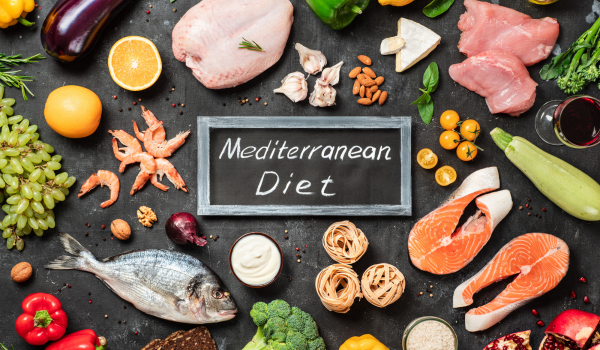
Others may find that balanced eating plans such as the Mediterranean diet provide similar health benefits with fewer restrictions.
People with certain medical conditions, including diabetes, pancreatitis, liver disease, or metabolic disorders, should speak with a healthcare provider before beginning a very low-carb diet.
Working with a registered dietitian may also help ensure nutritional needs are met safely and sustainably.
The Bottom Line
Keto 2.0 is a less restrictive version of the ketogenic diet that allows more carbohydrates and encourages healthier food choices.
Compared to traditional keto, it may provide greater flexibility, more plant-based nutrients, and easier long-term adherence for some individuals.
However, because Keto 2.0 has not been studied extensively, experts still do not fully understand its long-term effects or whether it consistently produces ketosis.
As with any restrictive eating plan, overall food quality, balance, and sustainability remain important factors for long-term health.

.png)








.png)
.png)
.png)
.png)

.png)
.png)
.png)
.png)
.png)
.png)
.png)
.png)
.png)
.png)



.png)
.png)
.png)
.png)
.png)
.png)