Ozempic and Wegovy, which contain the medication semaglutide, are commonly used to manage type 2 diabetes and support weight loss. However, these medications can cause digestive side effects such as constipation, nausea, vomiting, and stomach discomfort.
Increasing fiber intake may help relieve constipation related to these medications, but it may not be as effective for other symptoms such as nausea.
How Ozempic And Wegovy Can Affect Your Gut
Ozempic and Wegovy influence digestion because of the way semaglutide works in the body.
Semaglutide mimics a natural hormone called glucagon-like peptide-1 (GLP-1). This hormone signals the pancreas to release insulin after eating and helps lower blood sugar levels. GLP-1 receptors in the brain also help regulate appetite and feelings of fullness.
Several other medications belong to the same class of GLP-1 receptor agonists, including Rybelsus, Victoza, and Trulicity.
Besides reducing appetite and lowering blood sugar, these medications also slow the movement of food through the stomach and intestines. This delayed digestion can contribute to side effects such as constipation and other gastrointestinal issues.
According to data reported by the U.S. Food and Drug Administration in 2023, the most commonly reported digestive symptoms among semaglutide users were nausea, vomiting, and diarrhea. Constipation and abdominal pain were also frequently reported.
Less common symptoms included gas, bloating, indigestion, and heartburn. Some research has also linked GLP-1 medications to more serious digestive problems, including pancreatitis, bowel obstruction, and gastroparesis, which is a condition where the stomach empties very slowly.
In most cases, common side effects are not severe, but they can still be uncomfortable.
Digestive discomfort and constipation
Some people experience significant discomfort due to constipation, which can make digestion feel sluggish and uncomfortable.
Symptoms often improve over time
Digestive symptoms may be more noticeable when starting the medication or after increasing the dose, but they often decrease as the body adjusts.
Individual responses may vary
Some individuals may continue to experience digestive symptoms even after long-term use of the medication.
Can Fiber Help Ease Ozempic And Wegovy Side Effects?
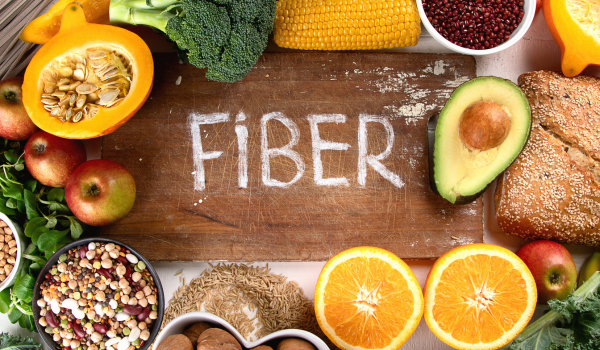
Fiber plays an important role in digestive health. Most adults need about 25 to 30 grams of fiber per day to support regular digestion.
However, many people do not meet these recommendations. Research suggests that only a small percentage of people with type 2 diabetes consume enough fiber daily.
Increasing fiber intake can help relieve certain digestive symptoms associated with semaglutide, especially constipation. Fiber adds bulk to stool and helps support regular bowel movements.
Fiber may help relieve constipation
Adding fiber to the diet can improve bowel regularity and reduce constipation.
Fiber does not usually reduce nausea
Although fiber can help with constipation, it is unlikely to relieve nausea caused by Ozempic or Wegovy.
Too much fiber may cause bloating
In some individuals, consuming large amounts of fiber may lead to bloating, gas, or abdominal discomfort.
Recommendations from clinical guidance suggest that increasing fiber intake may help improve constipation. However, people experiencing diarrhea may temporarily need to limit high-fiber foods until symptoms improve.
Instead of relying only on fiber, the best way to manage digestive symptoms often depends on the specific issue a person is experiencing.
Constipation management
Constipation may require stool softeners or mild laxatives in addition to dietary changes.
Nausea management
Nausea may require anti-nausea medications if symptoms are persistent.
Heartburn management
Heartburn may be treated with medications that reduce stomach acid.
Doctors may also adjust the dosage of semaglutide if side effects become difficult to manage.
Tips For Adding Fiber To Your Diet
If you decide to increase your fiber intake, it is usually best to get fiber from natural food sources whenever possible.
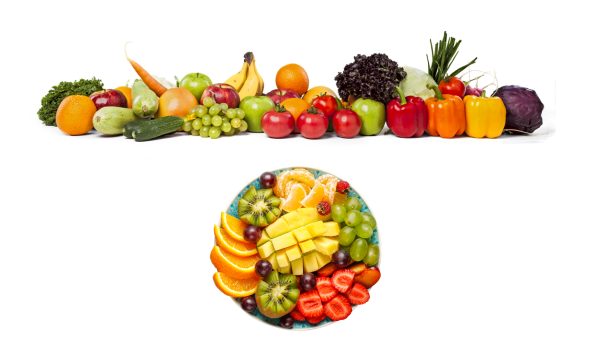
Fiber-rich foods such as fruits, vegetables, whole grains, beans, and legumes can support digestive health and help maintain regular bowel movements.
Increase fiber gradually
Adding fiber slowly allows your digestive system to adjust and helps reduce the risk of bloating or gas.
Fiber intake may be harder while on GLP-1 medications
Because medications like Ozempic and Wegovy often reduce appetite, some people may find it difficult to consume enough fiber through food alone.
Fiber supplements may be an option
If dietary fiber intake is insufficient, fiber supplements such as psyllium husk may be helpful when used according to product instructions.
Start with small doses
It is usually recommended to begin with one serving per day or every other day and increase gradually if needed.
Stay well hydrated
Drinking enough water is essential when increasing fiber intake. Adequate hydration helps fiber move through the digestive system and prevents constipation.
Take fiber supplements with plenty of water
Fiber supplements should be taken with a full glass of water rather than just a small sip of liquid.
Adjust fluid intake if needed
If stools remain hard, slightly increasing fluid intake may help. If stools become too loose, fluid intake may need to be reduced slightly.
If increasing fiber worsens digestive discomfort, temporarily reducing fiber intake or following a short liquid diet may help calm the digestive system.
Other Ways To Manage Ozempic And Wegovy Side Effects
In addition to adjusting fiber intake, several lifestyle habits may help reduce digestive side effects while taking Ozempic or Wegovy.
Follow a balanced diet
A diet rich in plant-based foods, vegetables, and whole foods may help support digestive health.
Stay hydrated
Drinking enough water throughout the day helps support digestion and may reduce symptoms such as nausea.
Exercise regularly
Regular physical activity can help stimulate digestion and improve bowel regularity.
Eat slowly and listen to your body
Eating slowly and paying attention to fullness signals can help prevent overeating and reduce digestive discomfort.
Choose smaller portions
Smaller meal sizes are often easier to digest and may reduce symptoms such as nausea or bloating.
Choose lower-fat foods
Low-fat foods are generally easier to digest and may reduce stomach discomfort.
Limit greasy, sugary, and carbonated foods
Foods high in fat, sugar, or carbonation may worsen digestive symptoms and should be consumed in moderation.
If side effects become severe or begin interfering with daily life, it is important to consult a healthcare provider. A doctor can help determine whether adjusting the medication dosage or changing treatment is necessary.


.png)

















.png)
.png)
.png)
.png)


.png)
.png)
.png)
.png)
.png)
.png)
.png)
.png)
.png)
.png)




.png)
.png)
.png)
.png)