
.png)
Semaglutide, commonly known by the brand names Ozempic and Wegovy, is widely used for managing type 2 diabetes and supporting weight loss. One of the most common issues people experience while using this medication is gastrointestinal discomfort, including nausea, heartburn, bloating, stomach upset, and vomiting.
Because Ozempic works by slowing the digestive process and helping you feel full for longer, certain foods can worsen these side effects. Understanding which foods may trigger discomfort can help you adjust your diet and make the medication easier to tolerate.
High-Fat, Greasy Foods
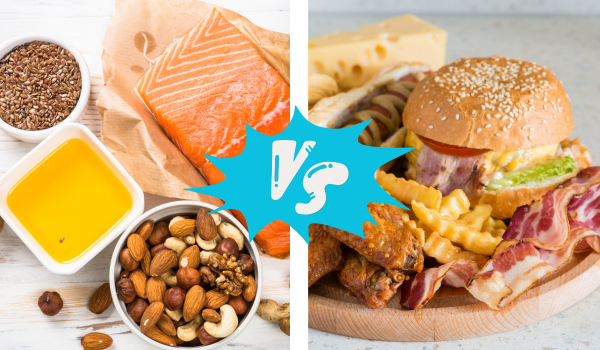
High-fat and greasy foods naturally slow down digestion. When these foods remain in the stomach longer, they can lead to symptoms such as bloating, heartburn, constipation, and nausea.
Since Ozempic already slows stomach emptying, combining the medication with fatty or greasy foods can intensify digestive discomfort. Food may remain in the stomach longer than usual, increasing the likelihood of nausea, bloating, or vomiting.
To reduce the risk of side effects, it is helpful to limit foods that are high in fat or oil.
Examples Of High-Fat Or Greasy Foods Include:
-
Fried foods such as fried chicken and French fries
-
Greasy foods like burgers, pizza, and donuts
-
High-fat dairy products including butter, cheese, and ice cream
Sugary Foods
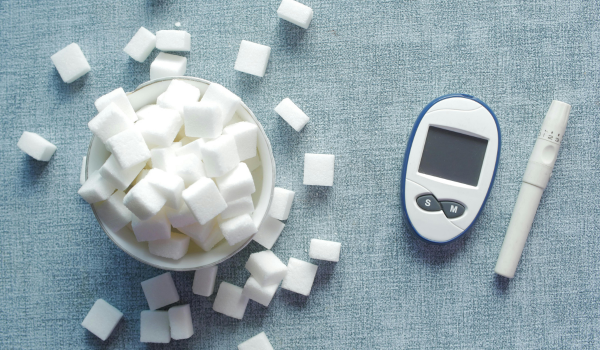
Foods that contain large amounts of sugar can affect how well Ozempic works and may also make digestive symptoms worse.
Sugary foods cause rapid spikes in blood sugar. For people using Ozempic to manage diabetes, these spikes can make it harder to keep blood sugar levels stable. For those using it for weight management, high-sugar foods may also interfere with weight-loss progress.
Because Ozempic slows digestion, sugar stays in the stomach longer, which may increase the chances of nausea, stomach upset, or general digestive discomfort.
Examples Of Sugary Foods Include:
-
Baked goods such as cakes, cookies, and cupcakes
-
Candy and sweets
-
Sugary drinks like soda, energy drinks, and fruit juice
-
Sweetened breakfast cereals
Refined Carbohydrates
Refined carbohydrates are heavily processed foods that have had much of their fiber, vitamins, and nutrients removed.
A diet high in refined carbohydrates is linked with increased risks of obesity and heart disease. These foods can also cause rapid increases in blood sugar levels, which may reduce the effectiveness of Ozempic.
In addition, refined carbohydrates can worsen digestive side effects, including nausea, constipation, and vomiting.
Examples Of Refined Carbohydrates Include:
-
White bread
-
White rice
-
Refined flour products
-
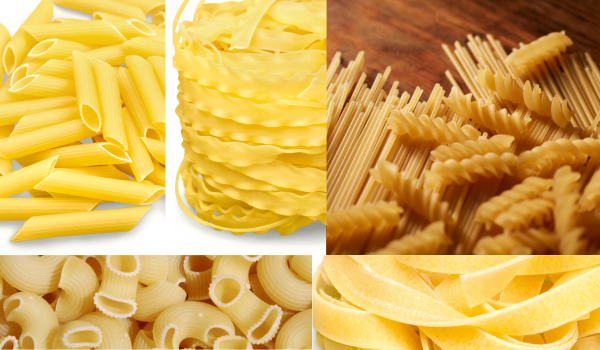
Some types of pasta
-
Crackers made from refined grains
Spicy Or Acidic Foods
Spicy and acidic foods can irritate the stomach lining and increase stomach acidity. This may lead to heartburn, stomach discomfort, or diarrhea.
When combined with Ozempic, these foods may make gastrointestinal symptoms more noticeable or uncomfortable.
Limiting highly spicy or acidic foods can help reduce irritation and improve digestive comfort while using the medication.
Examples Of Spicy Foods Include:
-
Hot sauce
-
Salsa
-
Chili peppers and hot peppers
Examples Of Acidic Foods Include:
-
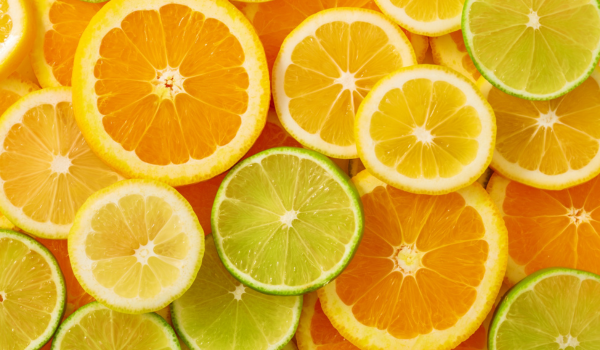
Citrus fruits and juices
-
Vinegar
-
Tomato-based sauces and products
Highly Processed Or Packaged Foods
Highly processed or packaged foods are common in modern diets. These products often contain additives that improve flavor, appearance, and shelf life.
However, these foods may contribute to inflammation and may also interfere with healthy digestion. Many processed foods contain refined carbohydrates, unhealthy fats, and added sugars, which can increase blood sugar levels and worsen digestive discomfort.
For people taking Ozempic, reducing the intake of processed foods may help minimize side effects.
Examples Of Highly Processed Foods Include:
-
Packaged snack foods
-
Chips
-
Pastries
-
Processed meats
Carbonated Beverages
Carbonated drinks contain gas bubbles that can cause bloating and pressure in the stomach. Because Ozempic slows digestion and stomach emptying, these bubbles can remain in the stomach longer than usual.
This may lead to increased symptoms such as gas, bloating, nausea, and heartburn.
Many carbonated beverages also contain caffeine or sugar, which can further irritate the stomach or increase blood sugar levels.
Examples Of Carbonated Beverages Include:
-
Soda
-
Sparkling water
-
Carbonated juices
-
Energy drinks
Alcohol
In small amounts, alcohol may not always cause serious issues while using Ozempic. However, alcohol can irritate the stomach lining and slow stomach emptying, which may worsen gastrointestinal side effects.
Another concern is blood sugar. Alcohol can lower blood sugar levels because the liver prioritizes processing alcohol instead of maintaining normal glucose balance. When combined with medications that influence blood sugar, the risk of hypoglycemia may increase.
For many individuals, limiting alcohol intake can help reduce side effects and maintain stable blood sugar levels.
Foods That Are Encouraged While Using Ozempic
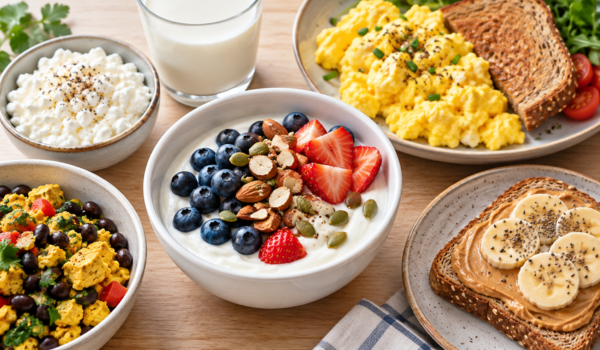
Certain foods may help support digestion and reduce side effects while taking Ozempic.
Hydrating Foods
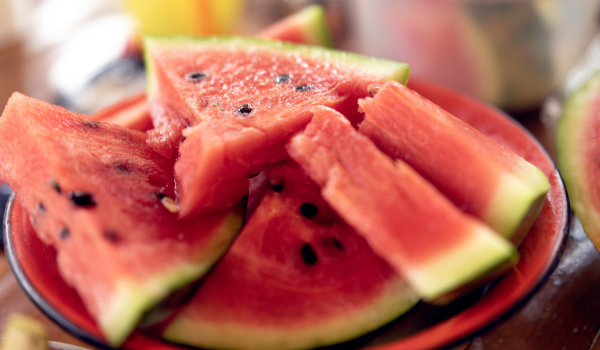
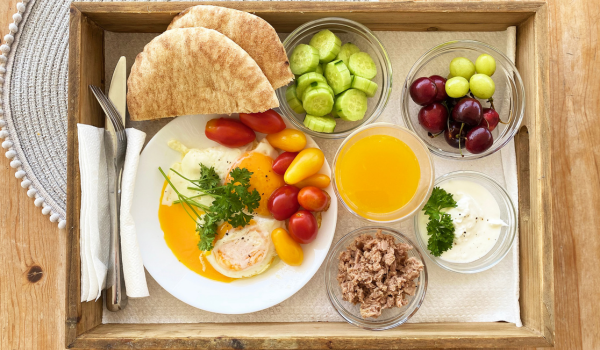
Foods with high water content help maintain hydration and support digestion. Examples include watermelon, cucumber, gelatin, and soups.
Water And Clear Beverages
Staying well hydrated may reduce nausea and support digestive comfort.
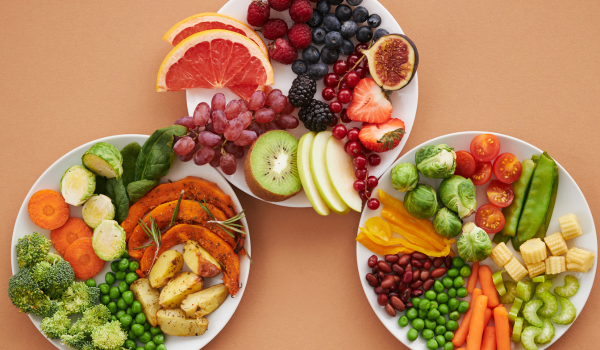
Fruits And Vegetables
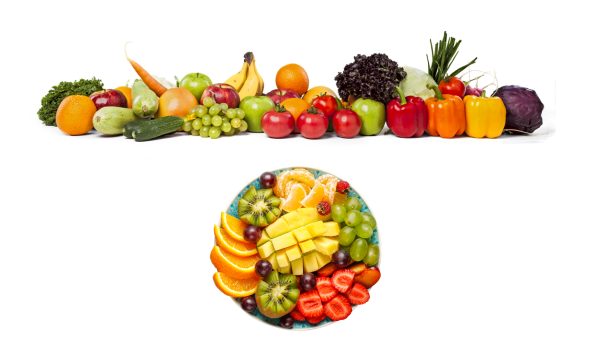
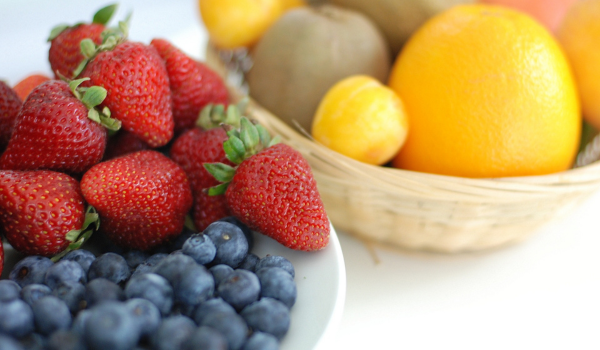
These foods provide fiber, vitamins, and nutrients that support overall health. Many fruits and vegetables also help stabilize blood sugar levels.
Whole Grains
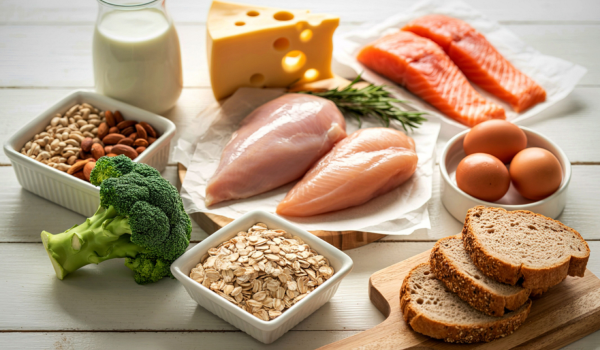
Whole grains such as oats, quinoa, and brown rice can help regulate appetite and provide longer-lasting energy.
Lean Protein
Lean proteins support satiety and help preserve muscle mass while the body burns fat for energy. Examples include fish, chicken, tofu, and other low-fat protein sources.
Low-Fat Dairy Products
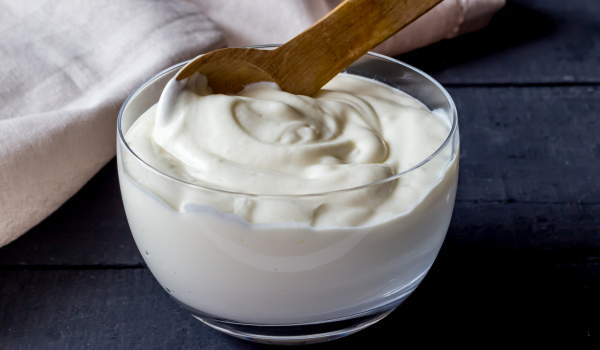
Low-fat dairy provides essential nutrients while lowering the chance of digestive discomfort. Options include low-fat milk, cottage cheese, and Greek yogurt.
Tips For Eating While Taking Ozempic
Making small changes in eating habits can help reduce digestive discomfort while using Ozempic.
Eating Slowly
Chewing food thoroughly and eating at a slower pace helps digestion and may prevent overeating.
Avoid Lying Down Immediately After Eating
Remaining upright or taking a short walk after meals can help reduce heartburn and improve digestion.
Staying Hydrated
Drinking enough water throughout the day may help prevent nausea and dehydration.
Using OTC Medications If Needed
Over-the-counter medications such as famotidine, simethicone, or calcium carbonate may help manage occasional digestive symptoms.
Adding Fiber Gradually
Increasing fiber intake slowly may help with constipation. However, adding too much fiber too quickly may cause bloating or gas.

.png)




.png)
.png)
.png)
.png)
.png)
.png)
.png)
.png)
.png)
.png)
.png)
.png)
.png)
.png)


.png)
.png)
.png)
.png)

