
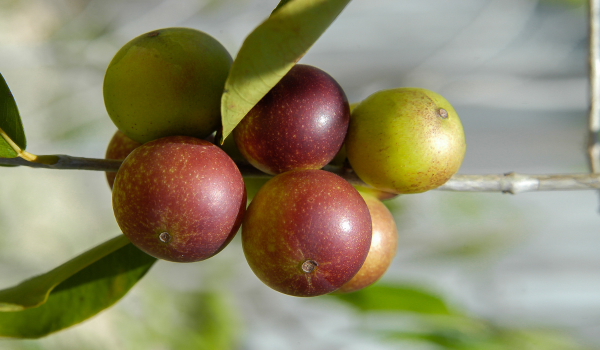
Camu camu is a small berry native to the Amazon rainforest. The fruit is known for its extremely high vitamin C content and rich supply of polyphenol antioxidants.
Because of its strong acidity, camu camu is rarely eaten fresh. Instead, it is commonly consumed as juice, powder, or a dietary supplement.
Early research suggests that camu camu may help support metabolic health and reduce inflammation. However, scientific evidence is still limited, and more studies involving humans are needed.
May Help Manage Obesity And Metabolic Syndrome
Some early research suggests camu camu may help improve metabolic health.
In one animal study, researchers gave camu camu to mice that were fed high-fat, high-sugar diets. The mice experienced reduced weight gain, and diet-induced obesity appeared to slow after about two weeks of consuming the fruit.
The study also found improvements in markers associated with metabolic syndrome.
Metabolic syndrome is a group of conditions that increase the risk of heart disease and type 2 diabetes. These conditions may include:
-
Excess abdominal fat
-
High fasting blood sugar
-
Elevated triglyceride levels
-
High blood pressure
-
Low high-density lipoprotein (HDL) cholesterol
Although these findings are promising, more human research is necessary to determine whether camu camu has similar effects in people.
May Help Reduce Inflammation
Camu camu contains polyphenols—plant compounds known for their antioxidant and anti-inflammatory effects.
Most studies investigating these effects have been conducted in laboratory or animal settings. These studies suggest that camu camu may help reduce inflammatory markers in the body.
Some limited human research has also found that camu camu consumption may lower inflammation levels. Researchers believe that the fruit’s polyphenol content may contribute to these benefits.
However, more well-designed clinical studies are required to confirm how camu camu influences inflammation in humans.
Rich In Nutrients
Camu camu contains a variety of important nutrients.
The fruit is especially rich in minerals and vitamins that support overall health. Potassium is one of the minerals found in the highest concentrations, and the fruit pulp also provides calcium.
Other nutrients found in camu camu include:
-
Copper
-
Iron
-
Magnesium
-
Manganese
-
Zinc
-
Vitamin C
-
Vitamin B12
Camu camu also provides several essential amino acids, which are necessary for building proteins in the body. However, the fruit itself is not considered a major protein source.
Provides Vitamin C And Antioxidants
Camu camu is considered one of the most concentrated natural sources of vitamin C.
Vitamin C is a powerful antioxidant that helps protect cells from damage caused by free radicals. Free radicals are unstable molecules that can contribute to aging and disease.
The pulp of camu camu contains very high levels of vitamin C, although processing and storage may reduce some of the nutrient content over time.
Even after processing, the fruit remains a rich source of vitamin C and antioxidant compounds.
Research has also shown that camu camu may have stronger antioxidant activity compared with many other fruits.
How To Use Camu Camu
Because camu camu berries are extremely sour, they are rarely eaten fresh.
Instead, the fruit is commonly processed into powders or juices.
Common ways to consume camu camu include:
-
Adding camu camu powder to smoothies
-
Mixing it into yogurt or oatmeal
-
Blending it into baked goods
-
Stirring a small amount into herbal tea
-
Adding it to juices or wellness drinks
A small amount of powder—such as a pinch or about one-quarter teaspoon—is often enough to add flavor and nutrients.
Recommended Dosage
There is currently no official recommended dosage for camu camu supplements.
Some studies have observed potential benefits when participants consumed about 70 milliliters of camu camu juice daily, which contained roughly 1,050 milligrams of vitamin C.
Because vitamin C intake from camu camu can be high, it is important to monitor total daily intake from all sources.
Is Camu Camu Safe?
Camu camu is generally considered safe when consumed in moderate amounts as part of foods or supplements.
However, people should use caution with dietary supplements, especially if they are pregnant, breastfeeding, or taking medications.
Speaking with a healthcare professional before starting any new supplement is recommended.
Because dietary supplements are not strictly regulated, choosing products that have been independently tested by third-party organizations can help ensure safety and quality.
Potential Drug Interactions
Camu camu’s high vitamin C content may interact with certain medications.
Possible interactions may occur with:
-
Anticoagulants (blood-thinning medications)
-
Chemotherapy drugs
-
Niacin supplements
-
Phosphate-binding medications used in kidney disease
-
Protease inhibitors used to treat viral infections
If you take any medications or supplements regularly, consult a healthcare provider before adding camu camu to your routine.
Can You Take Too Much Camu Camu?
Because camu camu contains large amounts of vitamin C, consuming excessive amounts may lead to digestive discomfort.
The upper intake limit for vitamin C in adults is 2,000 milligrams per day.
Consuming more than this amount may cause symptoms such as stomach irritation.
Possible Side Effects
More research is needed to fully understand the potential side effects of camu camu.
However, consuming excessive amounts of vitamin C may lead to symptoms such as:
-
Abdominal pain
-
Diarrhea
-
Nausea
Moderate intake and following product recommendations can help reduce the risk of side effects.











.png)
.png)
.png)
.png)


.png)
.png)
.png)
.png)
.png)
.png)
.png)
.png)
.png)
.png)




.png)
.png)
.png)
.png)
.png)
.png)
.png)
.png)

