
Sometimes a meal provides plenty of calories yet still leaves a person feeling tired, sluggish, or mentally foggy instead of satisfied. This experience is surprisingly common and often misunderstood. Feeling fatigued after eating does not necessarily mean the meal was too large or unhealthy, but it may reflect how nutrients interact with digestion, blood sugar regulation, and the nervous system. Understanding why some meals leave you tired instead of full helps clarify how food composition and eating patterns influence energy and satiety.
Blood Sugar Fluctuations After Certain Meals
Rapid Glucose Spikes
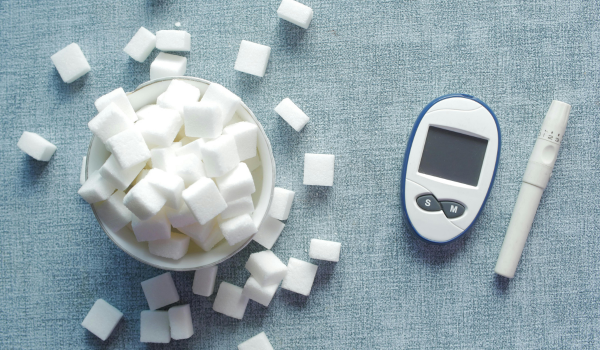
Meals high in refined carbohydrates—such as white bread, sugary beverages, or processed snacks—are digested quickly. This rapid digestion releases glucose into the bloodstream faster than the body can gradually use it.
In response, the pancreas releases insulin to help move glucose into cells. When the spike is large, insulin levels also rise quickly.
This process can lead to a rapid decline in blood glucose shortly afterward. As levels fall, the body may experience fatigue, irritability, or renewed hunger.
Energy Peaks And Crashes
The cycle of quick glucose rise followed by decline creates an energy swing. Initially, the brain may feel alert due to increased glucose availability. However, as levels drop, the body may feel drained.
Meals that contain primarily refined carbohydrates often trigger this pattern, leaving individuals tired rather than satisfied.
The Role Of Meal Composition
Lack Of Protein And Fiber
Protein and fiber slow digestion and stabilize blood sugar levels. When meals lack these nutrients, carbohydrates are absorbed more quickly.
Without protein and fiber to balance the meal, fullness signals may also be weaker. The digestive system processes food quickly, and hunger can return sooner.
Including protein sources such as legumes, eggs, fish, or lean meats alongside fiber-rich foods like vegetables and whole grains supports longer-lasting satiety.
Insufficient Healthy Fats
Healthy fats also contribute to sustained energy. They slow gastric emptying and support the gradual release of nutrients.
Meals without adequate fats may digest quickly, creating shorter periods of satiety.
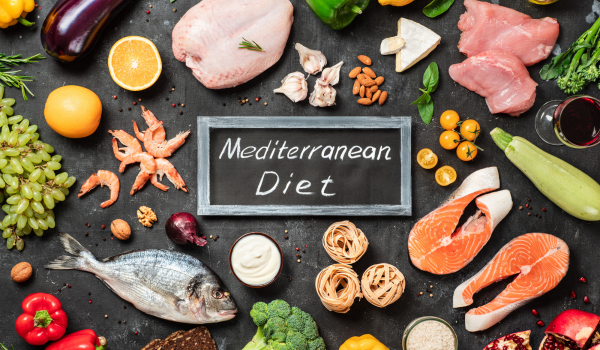
Balanced meals combining carbohydrates, protein, and healthy fats help maintain steady energy levels.
Digestive Energy Demand
The Thermic Effect Of Food
Digestion itself requires energy. The body must break down food, absorb nutrients, and transport them to cells. This process is known as the thermic effect of food.
Larger or more complex meals demand greater digestive effort. Blood flow increases to the digestive system, which may reduce circulation to other areas temporarily.
This shift can contribute to feelings of sleepiness or heaviness after eating.
High-Fat And Heavy Meals
Meals extremely high in fat or portion size may require longer digestion times. This extended digestive effort can produce a sensation of fatigue or sluggishness.
Moderate portions often reduce this effect.
Hormonal Signals And Satiety
Serotonin And Relaxation
After eating, the body releases hormones that promote digestion and relaxation. Serotonin, a neurotransmitter linked to mood and calmness, may increase after carbohydrate-rich meals.
This increase can promote a relaxed or sleepy sensation.
Although this response supports digestion, it may feel like fatigue if it occurs during periods requiring alertness.
Insulin And Amino Acid Transport
Insulin also influences the balance of amino acids entering the brain. This process can increase the availability of tryptophan, a precursor to serotonin.
As serotonin production rises, the body may shift toward a calmer state.
Meal Size And Eating Speed
Large Portion Effects
Very large meals place greater demands on digestion and blood sugar regulation. The body prioritizes processing nutrients, which can produce temporary tiredness.
Large meals may also stretch the stomach significantly, triggering signals that encourage rest and recovery.
Fast Eating And Satiety Signals
Eating quickly may delay the recognition of fullness. When meals are consumed rapidly, satiety hormones may not rise in time to regulate portion size.
As a result, individuals may eat more than needed and feel sluggish afterward.
Slower eating allows fullness signals to develop gradually.
Hydration And Post-Meal Fatigue
Dehydration And Energy Levels
Mild dehydration can amplify feelings of fatigue after eating. Digestion requires fluid for nutrient transport and enzymatic reactions.
If hydration is inadequate, the body may struggle to maintain energy balance during digestion.
Drinking water regularly throughout the day supports both digestion and alertness.
Timing And Circadian Rhythms
Afternoon Energy Dips
Many people experience natural decreases in alertness during the early afternoon due to circadian rhythms.
When meals coincide with this natural dip, the sensation of fatigue may feel stronger.
Balanced meals during this period can reduce the severity of the energy decline.
Late-Night Meals
Eating large meals close to bedtime may increase sleepiness because the body prepares for rest. Digestion and relaxation signals occur simultaneously.
Moderate evening meals often improve post-meal comfort.
Emotional And Environmental Influences
Stress And Digestive Efficiency
Stress activates the body’s fight-or-flight response, which reduces digestive efficiency. When meals are eaten under stress, digestion may feel slower or less comfortable.
Fatigue after eating can sometimes reflect this interaction between stress and digestion.
Distracted Eating
Eating while multitasking may reduce awareness of satiety and encourage larger portions. The body may then need additional energy to process excess intake.
Focused eating improves both satisfaction and digestion.
Supporting Meals That Promote Energy And Satiety
Balancing Macronutrients
Meals that include carbohydrates, protein, and healthy fats support stable blood glucose and longer-lasting energy.
For example, pairing whole grains with lean protein and vegetables creates a balanced nutrient profile.
Including Fiber-Rich Foods
Fiber slows digestion and improves fullness. Foods such as vegetables, fruits, legumes, and whole grains provide this benefit.
Higher fiber intake supports steadier energy throughout the day.
Moderating Portion Size
Eating moderate portions allows digestion to proceed efficiently without overwhelming the body’s resources.
Smaller balanced meals often produce greater alertness than very large meals.
Listening To The Body’s Feedback
Recognizing Energy Signals
Feeling tired after certain meals can provide useful feedback. The body may be signaling that meal composition or portion size could be adjusted.
Observing these responses helps refine eating patterns.
Adjusting Gradually
Small changes—such as adding protein or increasing fiber—can improve how meals affect energy.
Gradual adjustments often lead to more consistent satiety and sustained alertness.
Some meals leave people tired instead of full because of rapid blood sugar changes, unbalanced nutrient composition, large portion sizes, or the body’s natural digestive responses. These factors influence how energy is released and how fullness signals develop. Balanced meals that combine carbohydrates, protein, fiber, and healthy fats support steadier blood sugar and more lasting satiety. Learn more about how food choices influence energy levels, explore practical ways to balance meals, and take action today to create eating patterns that leave you both nourished and energized.


.png)



















.png)
.png)
.png)
.png)


.png)
.png)
.png)
.png)
.png)
.png)
.png)
.png)
.png)
.png)



.png)
.png)
.png)
.png)