
.png)
Sharing a kitchen with roommates can create a lively and social living environment, but it also introduces unique challenges for maintaining regular eating habits. Limited refrigerator space, different cooking schedules, and shared equipment can influence how meals are planned and prepared. When several people rely on the same kitchen, organization and flexibility become important for maintaining balanced nutrition. Understanding how to eat well when your kitchen is shared with roommates helps create practical routines that support both convenience and healthy eating.
Understanding The Dynamics Of A Shared Kitchen
Different Schedules And Cooking Times
Roommates often have different work, school, or social schedules. One person may cook dinner early in the evening, while another prepares food late at night.
These overlapping routines can create crowded kitchen periods where cooking space becomes limited.
Planning meals that require simple preparation or flexible timing can help reduce conflicts and make shared kitchens easier to use.
Shared Appliances And Tools
Most shared kitchens have a limited number of appliances such as stovetops, microwaves, ovens, and refrigerators. When several people need to use the same tools, meal preparation may require coordination.
Keeping personal cooking tools organized and ready to use can make meal preparation more efficient.
Managing Limited Refrigerator Space
Organizing Personal Food Areas
Refrigerator space is often one of the biggest challenges in shared kitchens. Dividing shelves or sections for each roommate can prevent confusion and reduce the chance of food being misplaced.
Clear organization helps ensure that personal ingredients remain accessible throughout the week.
Containers with labels or distinct storage bins can make it easier to keep foods separated.
Choosing Compact Food Storage
Using stackable containers or reusable food storage boxes helps maximize available space. These containers also keep ingredients fresh and easier to locate.
Efficient storage supports meal preparation even when refrigerator space is limited.
Planning Meals With Shared Resources
Simple Meal Preparation
Meals that require minimal equipment can be easier to prepare in shared kitchens. One-pot meals, salads, grain bowls, or wraps often require fewer cooking tools and less preparation space.
These meals can be prepared quickly without occupying the kitchen for long periods.
Preparing Ingredients In Advance
Preparing ingredients ahead of time—such as chopping vegetables or cooking grains—can reduce time spent in the kitchen later.
Meal preparation during quieter hours helps avoid busy cooking periods.
Storing Food Safely And Clearly
Labeling And Dating Food
When multiple people store food in the same refrigerator, labeling containers can help prevent confusion.
Writing names or preparation dates on containers helps everyone understand which items belong to whom and when they were prepared.
This habit also reduces food waste by making it easier to identify older items.
Using Personal Storage Bins
Some roommates find it helpful to use small bins or baskets for personal ingredients inside the refrigerator or pantry.
This system keeps items grouped together and easier to locate.
Maintaining Balanced Nutrition
Keeping Versatile Ingredients
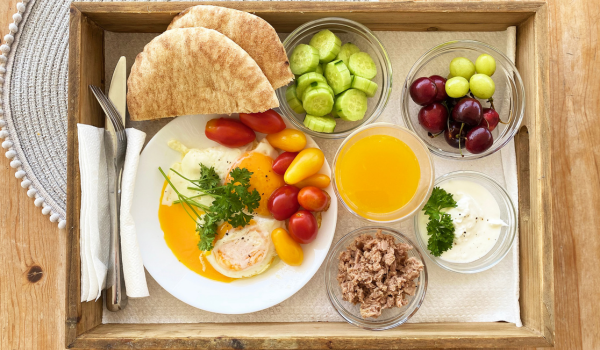
Staple ingredients such as whole grains, beans, eggs, yogurt, vegetables, and fruits can support many different meals.
These foods are easy to store and can be combined in multiple ways depending on available time and kitchen space.
Versatile ingredients simplify meal preparation when schedules are unpredictable.
Balanced Meal Composition
Meals that combine carbohydrates, protein, and healthy fats support steady energy and satiety.
For example, grain bowls with vegetables and protein sources provide balanced nutrition while remaining simple to prepare.
Navigating Shared Pantry Spaces
Designating Pantry Sections
Just like refrigerator space, pantry shelves can be divided to keep ingredients organized.
Clear separation helps prevent accidental use of another person’s food.
Maintaining organized pantry spaces also makes cooking more efficient.
Choosing Shelf-Stable Foods
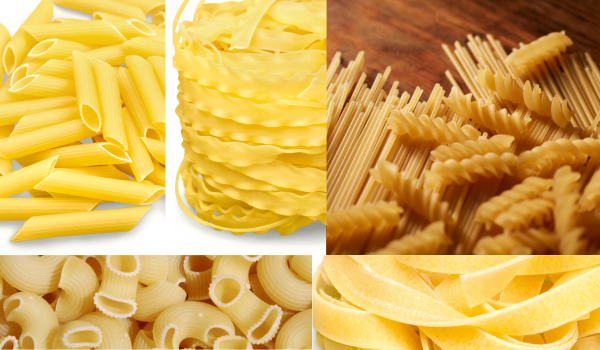
Shelf-stable foods such as oats, rice, pasta, canned beans, and nut butters store well in shared kitchens.
These ingredients remain available even when fresh foods run low.
They also support quick meal preparation when the kitchen is busy.
Coordinating Cooking Times
Communicating With Roommates
Simple communication can help avoid crowded cooking periods. Informing roommates about planned cooking times allows everyone to plan around each other.
Shared calendars or informal conversations can make scheduling easier.
Flexible Cooking Windows
Preparing meals at slightly different times of day—such as earlier in the evening or later at night—may help reduce competition for kitchen space.
Flexibility makes shared kitchens easier to manage.
Keeping The Kitchen Comfortable For Everyone
Cleaning After Cooking
Cleaning surfaces, washing dishes, and returning shared equipment after cooking helps maintain a functional kitchen environment.
A clean kitchen makes it easier for everyone to prepare meals comfortably.
Consistent cleaning habits also reduce food safety concerns.
Respecting Shared Spaces
Shared kitchens function best when everyone respects communal spaces and equipment. Using shared tools carefully and returning them promptly helps maintain positive living dynamics.
Mutual respect supports a cooperative environment.
Creating Efficient Meal Routines
Meal Prepping When The Kitchen Is Quiet
Preparing meals during less busy hours—such as mornings or weekends—can make cooking more convenient.
Meal prepping allows individuals to prepare several meals at once and store them for later.
This strategy reduces daily kitchen use and saves time.
Quick Assembly Meals
Meals that require minimal cooking, such as salads, wraps, or yogurt bowls, can be prepared quickly without occupying the kitchen for long periods.
These options provide convenient alternatives during busy kitchen times.
Building Positive Shared Living Habits
Sharing Ideas And Ingredients
Roommates sometimes enjoy sharing recipes, cooking tips, or ingredients. These exchanges can create opportunities for learning new meals and improving variety.
While personal food should remain respected, occasional shared meals can strengthen social connections.
Maintaining Personal Food Boundaries
Clear communication about which foods are shared and which are personal helps avoid misunderstandings.
Respecting these boundaries supports trust among roommates.
Sharing a kitchen with roommates introduces challenges related to space, timing, and organization, but it can still support balanced eating habits. Clear food storage systems, simple meal preparation, and flexible cooking routines make it easier to maintain nutritious meals even in a shared environment. By organizing ingredients, communicating with roommates, and preparing foods efficiently, individuals can enjoy both practical meal routines and positive shared living experiences. Learn more about everyday nutrition strategies, explore practical tips for organizing shared kitchens, and take action today to build eating habits that fit comfortably within shared living spaces.















.png)
.png)
.png)
.png)


.png)
.png)
.png)
.png)
.png)
.png)
.png)
.png)
.png)
.png)


.png)
.png)
.png)
.png)
.png)
.png)
.png)
.png)

