
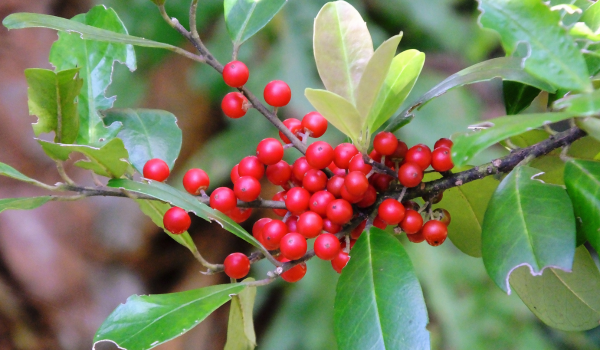
Sarsaparilla is a plant traditionally used in herbal medicine, especially for skin conditions and inflammatory disorders. Extracts from the plant root have been used in teas, tonics, and supplements for centuries.
Modern research suggests that sarsaparilla may provide antioxidant and anti-inflammatory effects. However, scientific studies involving humans remain limited, so more research is needed to confirm these potential health benefits.
May Help Reduce Inflammation
Sarsaparilla has historically been used to help manage inflammatory skin conditions such as psoriasis and eczema, which cause irritated and inflamed patches of skin.
Researchers believe the plant may contain active compounds that help reduce inflammation. In animal studies, certain chemicals found in sarsaparilla—known as saponins—have shown effects similar to anti-inflammatory medications.
Some scientists also suggest that polysaccharides, a type of carbohydrate found in the plant, may help block inflammatory compounds in the body.
Although early findings are promising, more clinical research involving humans is necessary to determine whether sarsaparilla can effectively reduce inflammation.
May Support Skin Health
Sarsaparilla contains antioxidant compounds that may benefit skin health.
Laboratory research has identified a flavonoid called astilbin in sarsaparilla that may help regulate the growth of keratinocytes, the cells that form the outer layer of the skin.
Excess production of keratinocytes is associated with psoriasis. By slowing this overproduction, astilbin may help improve certain inflammatory skin conditions.
While these findings are encouraging, most evidence currently comes from laboratory studies rather than clinical trials in humans.
May Have Anti-Cancer Potential
Sarsaparilla contains antioxidants that may help neutralize free radicals, which are unstable molecules that can damage cells and contribute to cancer development.
Some laboratory and animal studies suggest that sarsaparilla may influence biological pathways related to cancer growth.
For example, research has shown that sarsaparilla may affect transforming growth factor-beta 1 (TGF-β1), a signaling molecule that can weaken the immune system when present in high amounts. Reducing TGF-β1 activity may help limit the movement of cells associated with tumor development.
Another study found that combining sarsaparilla extract with a medicinal mushroom may reduce gene activity related to breast cancer growth. However, these findings are still preliminary, and more human research is required.
Should You Take Sarsaparilla As A Supplement?
In the United States, sarsaparilla is most commonly available as a dietary supplement, including powders, capsules, and liquid extracts.
The herb is often used in alternative medicine practices. Some people claim that sarsaparilla can help detoxify the liver or kidneys, but there is little scientific evidence to support these claims.
In most cases, the body naturally detoxifies itself through the liver and kidneys without the need for additional supplements.
Because supplements contain concentrated plant compounds, they may pose a higher risk of side effects than consuming small amounts in foods or beverages.
Currently, there are no official dosage guidelines for sarsaparilla supplements. It is recommended to follow manufacturer instructions and consult a healthcare professional before using any herbal supplement.
Potential Risks Of Sarsaparilla
There are currently few well-documented health risks associated with sarsaparilla when consumed in moderate amounts.
However, taking very large doses may increase the likelihood of side effects.
Research on the safety of sarsaparilla during pregnancy and breastfeeding is limited, so avoiding concentrated supplements during these periods is generally recommended.
Scientists also do not yet fully understand whether sarsaparilla interacts with medications or other supplements, which is why medical guidance is important before use.
When purchasing herbal supplements, choosing products that have been independently tested can help ensure quality and safety.
Organizations that perform third-party testing include:
-
NSF International
-
United States Pharmacopeia (USP)
-
ConsumerLab
Products with these certifications are more likely to contain the ingredients listed on their labels without harmful contaminants.
Tips For Using Sarsaparilla
Sarsaparilla was once commonly used as a flavoring ingredient in soft drinks such as root beer. Today, it is more often consumed in concentrated herbal forms.
Common ways to use sarsaparilla include:
-
Adding a few drops of sarsaparilla tincture to water or juice
-
Drinking sarsaparilla herbal tea
-
Using sarsaparilla syrup to flavor coffee or tea
-
Preparing homemade root beer with sarsaparilla extract
-
Taking sarsaparilla supplements under medical guidance
Because herbal products can vary in strength and purity, using them cautiously and following recommended instructions is important.
















.png)
.png)
.png)
.png)


.png)
.png)
.png)
.png)
.png)
.png)
.png)
.png)
.png)
.png)




.png)
.png)
.png)
.png)
.png)
.png)
.png)
.png)

