
High blood pressure affects a large portion of adults in the United States. Health experts estimate that more than 115 million Americans currently live with hypertension, a condition that increases the risk of heart disease, stroke, and other serious health problems.
To help address this issue, the American Heart Association (AHA) and the American College of Cardiology (ACC) released updated recommendations focused on lifestyle changes that may help prevent or manage high blood pressure.
The updated guidance emphasizes two major dietary changes:
-
Reducing sodium intake by using potassium-based salt substitutes
-
Avoiding alcohol whenever possible
These recommendations update previous hypertension guidelines released in 2017 and place greater emphasis on early prevention and lifestyle modification.
Two Major Dietary Changes Recommended
After reviewing years of hypertension research, a panel of experts developed updated guidance designed to help healthcare providers better manage cardiovascular risk.
One major focus is reducing sodium intake.
Experts continue to recommend limiting sodium to no more than 2,300 milligrams per day, while ideally aiming for 1,500 milligrams or less. To help reduce sodium consumption, the guidelines suggest using potassium-based salt substitutes, as long as individuals do not have kidney disease or conditions that affect potassium levels.
Another key recommendation involves alcohol consumption.
Previous guidelines suggested limiting alcohol intake to one drink per day for women and two drinks per day for men. The updated report goes further, stating that avoiding alcohol entirely may be the best option for maintaining healthy blood pressure.
How Alcohol And Salt Affect Blood Pressure
High blood pressure occurs when the force of blood moving through blood vessels remains consistently elevated.
Both sodium and alcohol intake can contribute to this increased pressure.
Effects of Sodium
Consuming too much salt can increase blood pressure in several ways:
-
Increasing the volume of blood circulating in the body
-
Causing blood vessels to tighten over time
Much of the sodium consumed in modern diets comes from processed foods and restaurant meals, rather than from salt added during cooking.
Effects of Alcohol
Alcohol may also influence blood pressure through several possible mechanisms.
Researchers believe alcohol may contribute to:
-
Increased inflammation
-
Higher levels of cortisol, a stress hormone
-
Changes in nervous system regulation
Heavy alcohol consumption is strongly associated with hypertension and heart disease. Even moderate daily alcohol intake may raise blood pressure in some individuals.
Why Reducing Salt And Alcohol Matters
Over time, high blood pressure places strain on blood vessels and organs throughout the body.
Hypertension is considered one of the most important modifiable risk factors for cardiovascular disease. It is linked to several serious conditions, including:
-
Coronary artery disease
-
Heart failure
-
Stroke
-
Atrial fibrillation
-
Chronic kidney disease
Brain health is also affected. Research shows that having high blood pressure during middle age may increase the risk of dementia and Alzheimer’s disease later in life.
Reducing blood pressure through lifestyle changes can therefore help lower the risk of these long-term complications.
Additional Recommendations From The New Guidelines
The updated report also introduces new strategies for identifying cardiovascular risk earlier.
One suggested tool is the AHA PREVENT calculator, which estimates a person’s risk of developing cardiovascular disease over the next 10 to 30 years.
The calculator considers several factors, including:
-
Body mass index (BMI)
-
Blood pressure levels
-
Lifestyle and social health factors
If the estimated risk is elevated, healthcare providers may recommend starting blood pressure medication earlier than in the past.
Special Considerations For Certain Groups
The updated guidelines also include recommendations for specific populations.
People Who Are Pregnant
For individuals with chronic hypertension during pregnancy, the report recommends beginning treatment when blood pressure reaches 140/90 mmHg, rather than waiting for higher levels. Early treatment may improve pregnancy outcomes.
People With Severe Hypertension
For individuals whose high blood pressure does not respond to standard treatments, the guidelines mention a procedure called renal denervation.
This treatment targets nerves connected to the kidneys and may help reduce blood pressure in certain high-risk patients. It is generally considered only after other treatment options have been explored.
Steps To Help Manage Blood Pressure
Although reducing salt and alcohol intake can be challenging, experts emphasize that these changes can significantly reduce the risk of heart disease and other complications.
Some practical steps that may help manage or prevent hypertension include:
-
Limiting processed and packaged foods high in sodium
-
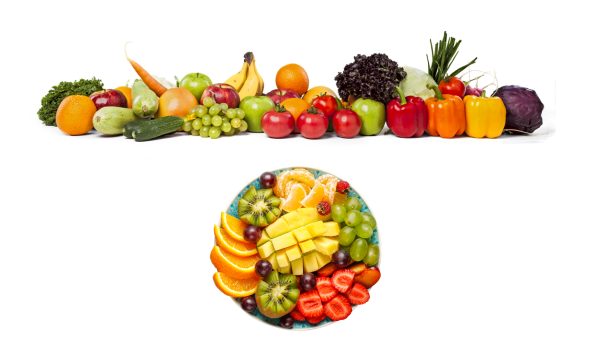
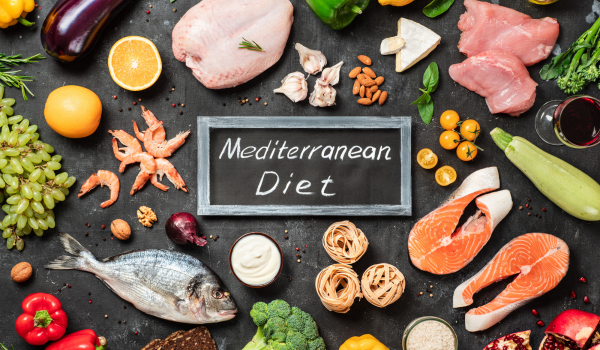
Following the DASH diet, which emphasizes fruits, vegetables, and whole foods
-
Choosing fresh ingredients when possible
-
Replacing alcoholic beverages with sparkling water, herbal teas, or mocktails
Additional lifestyle habits that support healthy blood pressure include:
-
Regular physical activity
-
Stress management
-
Avoiding smoking
-
Getting consistent, high-quality sleep
Monitoring Blood Pressure At Home
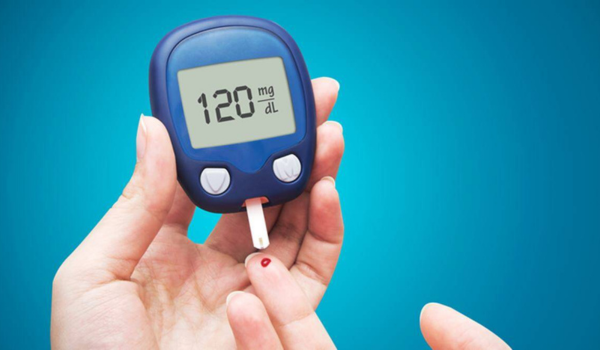
Experts also recommend that people with hypertension monitor their blood pressure regularly at home.
Home monitoring can help:
-
Confirm a diagnosis
-
Reduce false readings caused by anxiety in medical settings
-
Track how well treatments are working
If readings consistently increase, it may be a sign to consult a healthcare provider.
Although controlling blood pressure can sometimes be difficult, these updated guidelines offer healthcare professionals and patients additional tools to help manage the condition and reduce long-term health risks.







.png)
.png)
.png)
.png)


.png)
.png)
.png)
.png)
.png)
.png)
.png)
.png)
.png)
.png)



.png)
.png)
.png)
.png)
.png)
.png)
.png)
.png)