

Mental fatigue is a common experience in modern life. Long hours of concentration, problem-solving, decision-making, and digital interaction can leave the brain feeling drained even when the body has not been physically active. During these moments, people often notice stronger cravings for food, particularly quick sources of energy such as sweets or refined carbohydrates. This response is not simply a matter of habit or lack of discipline. It reflects how the body manages energy when the brain is under prolonged cognitive demand.
The Brain’s Energy Needs During Cognitive Work
Glucose As The Brain’s Primary Fuel
The human brain represents only a small percentage of body weight, yet it consumes a significant portion of the body’s daily energy. Most of this energy comes from glucose circulating in the bloodstream.
During periods of intense mental effort—such as studying, complex decision-making, or prolonged focus—the brain continues to rely on glucose to support neural activity. Although cognitive work does not dramatically increase total calorie expenditure, the brain remains sensitive to small changes in glucose availability.
When glucose levels begin to decline, the body may generate hunger signals to encourage food intake.
Energy Distribution Within The Brain
Different brain regions become more active depending on the type of mental task. Problem-solving, memory retrieval, and attention each require coordinated neural activity.
This increased activity requires a steady supply of glucose and oxygen delivered through the bloodstream. The body maintains this supply carefully to support cognitive performance.
Mental Fatigue And Appetite Signals
Perceived Energy Depletion
After prolonged concentration, people often report feeling mentally “drained.” This sensation does not necessarily mean that the brain has used a large amount of additional calories. Instead, it reflects neural fatigue and neurotransmitter changes.
However, the body may interpret these signals as a need for energy replenishment. Hunger cues may increase, encouraging intake even when physical energy expenditure has been low.
Increased Desire For Quick Energy
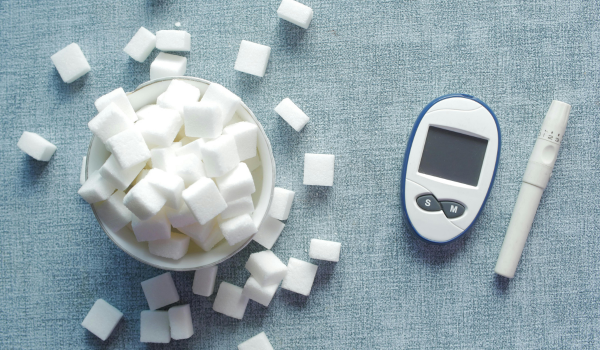
Mental fatigue often leads to cravings for foods that provide rapid glucose availability, such as sugary snacks or refined carbohydrates.
These foods temporarily raise blood glucose levels, which may produce a short-lived improvement in alertness. However, this effect is often followed by a decline as glucose levels stabilize again.
Hormonal Responses To Cognitive Stress
Cortisol And Stress Eating
Mental fatigue often accompanies stress. Stress triggers the release of cortisol, a hormone involved in energy regulation.
Elevated cortisol can increase appetite and influence preference for energy-dense foods. The body interprets stress as a signal that additional energy may be required.
This response developed as a survival mechanism, preparing the body to respond to challenges.
Dopamine And Reward Seeking
The brain’s reward system also plays a role. After prolonged effort, the brain may seek pleasurable experiences to counterbalance fatigue.
Food—especially sweet or high-fat foods—activates dopamine pathways associated with reward and satisfaction. This reinforces the desire to eat when mentally tired.
Blood Sugar Stability And Cognitive Performance
Fluctuations In Glucose Levels
Stable blood glucose supports consistent mental performance. When glucose drops too low, concentration, memory, and reaction time may decline.
This decline can create a sensation of mental fog or fatigue.
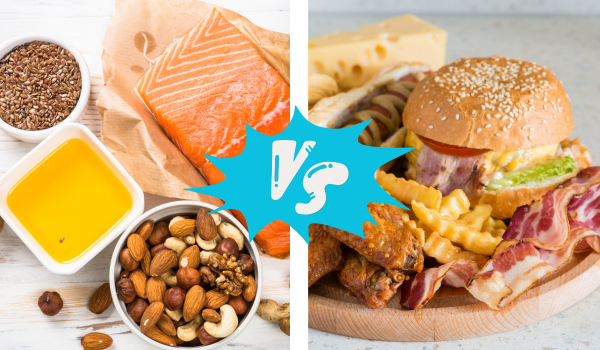
Eating balanced meals that contain complex carbohydrates, protein, and healthy fats supports more gradual glucose release and steadier cognitive energy.
Rapid Sugar Intake And Energy Swings
Highly refined sugars produce rapid increases in blood glucose followed by quicker declines. These fluctuations may temporarily relieve fatigue but can contribute to repeated cycles of craving and energy dips.
Balanced nutrition helps prevent these fluctuations.
The Difference Between Physical And Mental Fatigue
Lower Caloric Demand
Physical activity increases total energy expenditure significantly. Mental work, by contrast, uses relatively small additional calories.
However, mental fatigue can still influence appetite because the brain interprets cognitive stress as a signal requiring energy support.
This difference explains why hunger may increase even when physical movement is minimal.
Subjective Versus Biological Hunger
Mental fatigue can create a sensation similar to hunger even when energy needs remain stable. This is sometimes described as cognitive hunger or reward-driven eating.
Learning to distinguish between physical hunger and mental exhaustion can help guide eating choices.
The Role Of Nutrients In Supporting Brain Function
Complex Carbohydrates For Steady Energy
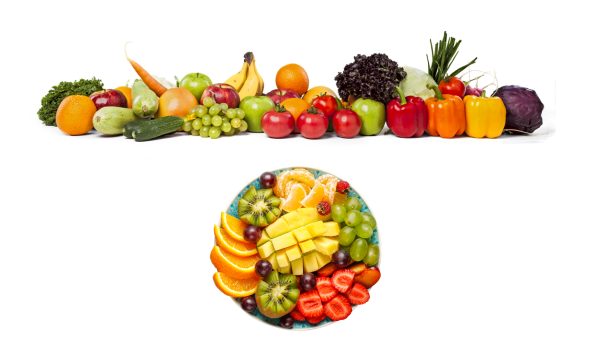
Whole grains, legumes, fruits, and vegetables provide carbohydrates that release glucose gradually. This steady supply supports brain function without rapid spikes in blood sugar.
Complex carbohydrates also provide fiber and micronutrients essential for metabolic processes.
Protein And Neurotransmitter Production
Protein supplies amino acids used to produce neurotransmitters such as dopamine and serotonin. These chemicals influence mood, motivation, and focus.
Including protein in meals supports cognitive stability during long periods of work.
Healthy Fats And Brain Structure
The brain is composed largely of fats. Omega-3 fatty acids and other healthy fats contribute to cell membrane structure and neural communication.
Foods such as nuts, seeds, fish, and olive oil support brain health over time.
Managing Mental Fatigue Without Excess Eating
Scheduled Meal Timing
Regular meals provide predictable energy for cognitive tasks. Skipping meals may intensify fatigue and increase cravings later.
Consistent eating patterns stabilize glucose levels and reduce impulsive snacking.
Short Breaks For Recovery
Mental fatigue often reflects the need for rest rather than additional calories. Short breaks, stretching, or brief walks can restore alertness without food.
These pauses help reset attention and reduce the urge to eat purely for stimulation.
Hydration And Cognitive Function
Dehydration can mimic symptoms of fatigue and reduce concentration. Drinking water throughout the day supports brain performance.
Hydration also improves clarity when interpreting hunger signals.
The Influence Of Work Environment
Accessibility Of Snack Foods
Offices and study environments often contain easily accessible snacks. When mental fatigue appears, these foods become convenient responses.
Planning balanced snacks ahead of time can support better choices during demanding work sessions.
Digital Overload And Continuous Attention
Modern work often requires sustained screen time and multitasking. Continuous cognitive load increases perceived fatigue.
Structured breaks and balanced meals help counteract these effects.
Building Sustainable Cognitive Energy
Combining Nutrition And Rest
Mental performance depends on both adequate nutrition and recovery. Food alone cannot compensate for chronic sleep deprivation or excessive workload.
Balanced meals combined with sufficient sleep support long-term cognitive resilience.
Recognizing Natural Energy Cycles
Mental energy fluctuates throughout the day. Aligning demanding tasks with peak alertness periods may reduce fatigue and unnecessary snacking.
Understanding these cycles supports more effective productivity.
Mental fatigue changes how the body uses food by influencing hunger signals, hormone responses, and reward pathways in the brain. Although cognitive work does not dramatically increase calorie needs, the brain remains sensitive to glucose availability and stress-related signals. Balanced meals, steady glucose levels, and regular breaks help maintain focus without excessive reliance on quick energy foods. Learn more about how nutrition supports brain performance, explore strategies for managing cognitive fatigue, and take action today to support both mental clarity and balanced eating.

.png)








.png)
.png)
.png)
.png)


.png)
.png)
.png)
.png)
.png)
.png)
.png)
.png)
.png)
.png)




.png)
.png)
.png)
.png)

