
Skipping a meal is a common experience. Busy schedules, travel, stress, or simply lack of appetite can lead people to miss breakfast, lunch, or dinner occasionally. While the body is capable of adapting to short gaps between meals, it still interprets these changes through its internal regulatory systems. Hormones, metabolism, and appetite signals respond to the absence of expected food intake. Understanding how the body interprets skipped meals helps explain changes in hunger, energy levels, and eating behavior later in the day.
The Body Monitors Energy Availability
Continuous Energy Surveillance
The body constantly monitors the availability of energy through signals from the bloodstream, digestive system, and stored energy reserves. Blood glucose levels, hormone activity, and nutrient availability all provide information about current fuel supply.
When a meal is skipped, the body detects the absence of incoming nutrients. This does not immediately create a crisis, but it triggers adjustments designed to maintain stable energy for essential functions.
These adjustments help the body continue operating normally even when food intake is temporarily delayed.
Use Of Stored Energy
To maintain stable blood glucose levels, the liver releases glucose from stored glycogen. Glycogen acts as a short-term energy reserve that supports the brain and muscles between meals.
As time passes without food, glycogen stores gradually decrease. The body then begins to rely more on stored fats for energy.
This transition allows the body to maintain energy balance during short fasting periods.
Hormonal Signals Triggered By Skipped Meals
Ghrelin And Rising Hunger
Ghrelin, often referred to as the hunger hormone, increases when the body expects food but does not receive it. Ghrelin levels typically rise before usual meal times.
If a meal is skipped, ghrelin levels may continue to rise until food is consumed. This increase strengthens the sensation of hunger.
The body uses this signal to encourage energy replenishment.
Cortisol And Energy Mobilization
When food intake is delayed, cortisol may increase slightly to help mobilize stored energy. Cortisol supports the release of glucose and fatty acids into the bloodstream.
This process ensures that the brain and muscles continue receiving fuel.
While temporary increases in cortisol are normal, prolonged irregular eating patterns may influence stress hormone regulation.
Effects On Blood Sugar And Energy Levels
Stabilizing Glucose Without Food
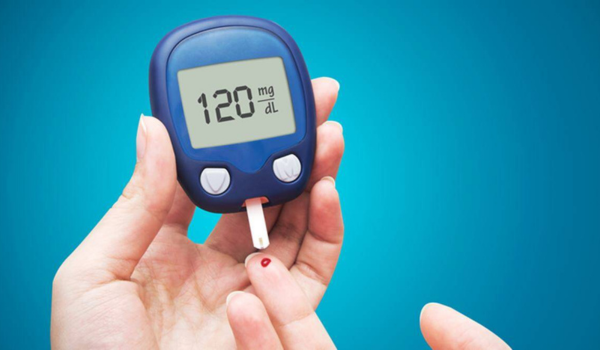
Even when meals are skipped, the body works to maintain blood glucose within a narrow range. The liver releases glucose and the body adjusts energy use to prevent large fluctuations.
This regulation explains why people can often function for several hours without eating.
However, prolonged gaps between meals may eventually lead to sensations of fatigue, irritability, or difficulty concentrating.
Energy Fluctuations
When glycogen stores decline and energy demand remains high, individuals may notice decreased alertness or reduced physical endurance.
Eating balanced meals helps restore glucose availability and stabilize energy levels.
Appetite Responses Later In The Day
Compensatory Hunger
After skipping a meal, appetite may increase during the next eating opportunity. This response is the body’s attempt to restore energy balance.
Larger portions or faster eating may occur as the body responds to accumulated hunger signals.
This compensation is a natural biological process.
Changes In Food Preference
When hunger becomes intense, the brain often seeks foods that provide rapid energy, particularly carbohydrates.
These foods raise blood glucose quickly, helping relieve hunger sensations.
Balanced meals with protein, fiber, and healthy fats can improve satiety after periods of missed meals.
Digestive System Adaptation
Digestive Preparation Without Food
The digestive system anticipates meals based on habitual timing. Stomach acid, digestive enzymes, and intestinal activity may increase before expected meals.
If food does not arrive, these processes gradually subside until the next meal.
Repeated irregular eating may disrupt these anticipatory digestive signals.
Digestive Sensitivity After Long Gaps
Eating after long periods without food can sometimes feel uncomfortable. The stomach may be more sensitive because digestive activity has been reduced.
Moderate portion sizes and balanced foods often improve comfort during the first meal after a long gap.
Psychological And Behavioral Responses
Increased Focus On Food
Skipping meals can increase mental attention toward food. Thoughts about eating may become more frequent as hunger signals intensify.
This effect reflects the brain’s effort to ensure that energy needs are eventually met.
Eating Speed And Portion Awareness
When hunger becomes strong, people may eat more quickly. Rapid eating can delay the body’s recognition of fullness.
Slowing down during meals helps restore satiety signals after a missed meal.
Short-Term Versus Long-Term Meal Skipping
Occasional Skipped Meals
Missing a meal occasionally is generally manageable because the body has built-in systems for maintaining energy balance.
Stored glycogen and fat provide temporary fuel until food becomes available again.
Frequent Irregular Eating
Regularly skipping meals may disrupt hunger patterns and make appetite less predictable. Hormone rhythms that regulate hunger and fullness may become less synchronized.
Consistent meal patterns support smoother appetite regulation.
Strategies For Managing Missed Meals
Balanced Recovery Meals
When eating after a skipped meal, balanced nutrition supports stable energy. Including protein, complex carbohydrates, and healthy fats helps restore glycogen and promote satiety.
Balanced meals reduce the likelihood of rapid hunger returning.
Maintaining Hydration
Thirst can sometimes intensify fatigue during long gaps without food. Drinking water supports circulation and cognitive clarity.
Hydration also assists digestion when food is eventually consumed.
Listening To Internal Signals
Paying attention to hunger and fullness cues helps guide portion sizes after missed meals.
Gradual eating allows the body to recognize satiety more accurately.
The Body’s Capacity For Adaptation
Flexible Energy Regulation
Human metabolism evolved to handle periods of irregular food availability. The body’s ability to use stored glycogen and fat allows it to function without constant food intake.
This flexibility supports survival during temporary food scarcity.
Importance Of Long-Term Patterns
While occasional skipped meals are manageable, consistent eating patterns help maintain stable appetite signals and metabolic balance.
Regular meals support predictable energy levels and digestive comfort.
The body interprets skipped meals as a temporary interruption in energy supply and responds by using stored energy, increasing hunger hormones, and adjusting metabolism. These responses help maintain stable blood glucose and encourage replenishment at the next meal. Occasional missed meals are generally manageable because the body is designed to adapt to short periods without food. Balanced recovery meals, hydration, and consistent eating patterns support stable energy and appetite regulation. Learn more about how hunger signals work, explore strategies for maintaining balanced meal routines, and take action today to support steady nourishment throughout the day.



.png)




















.png)
.png)
.png)
.png)


.png)
.png)
.png)
.png)
.png)
.png)
.png)
.png)
.png)
.png)




.png)
.png)
.png)
.png)