
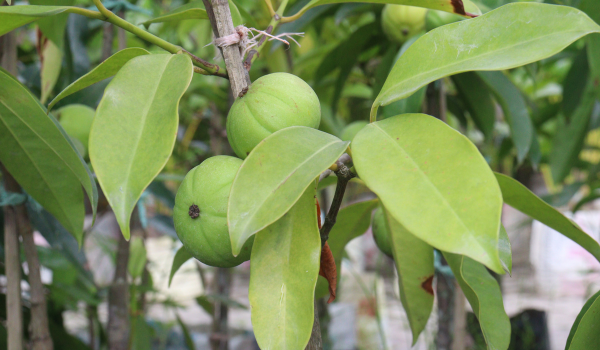
Garcinia cambogia is a tropical fruit that grows on the Malabar tamarind tree, native to parts of India and Southeast Asia. The fruit has traditionally been used as a flavoring agent and food preservative in local cuisines.
In recent years, garcinia cambogia has become popular as a dietary supplement, particularly for weight management. The rind of the fruit contains a compound called hydroxycitric acid (HCA), which researchers believe may influence appetite and fat metabolism.
Although some studies suggest possible benefits, scientific evidence remains limited and mixed.
May Support Weight Loss
Garcinia cambogia supplements are widely marketed for weight management.
The active compound hydroxycitric acid (HCA) may affect weight loss in two primary ways:
-
Reducing appetite by increasing feelings of fullness
-
Limiting the body’s ability to produce fat
By decreasing appetite and slowing fat production, HCA may contribute to modest weight reduction.
However, the overall weight loss observed in studies tends to be relatively small. Some research has shown that people taking garcinia cambogia for several weeks lost only a few pounds compared with those taking a placebo.
Other studies have found minimal or no effects on appetite or body fat, suggesting that the supplement may not work for everyone.
May Help Lower Cholesterol And Blood Fats
Some research suggests that garcinia cambogia may help improve certain blood lipid levels.
Scientists believe compounds in the fruit may help block HMG-CoA reductase, an enzyme involved in cholesterol production.
Lower cholesterol and triglyceride levels may help reduce the risk of cardiovascular diseases such as heart attack and stroke.
In a few small studies involving people with obesity, participants who took garcinia cambogia supplements showed improvements in cholesterol levels.
However, other research has reported little to no significant change in blood lipid levels. More clinical trials are needed to confirm whether garcinia cambogia consistently improves cholesterol markers.
Other Potential Health Benefits
Although research is limited, garcinia cambogia may offer additional potential health effects.
May Improve Exercise Performance
Some small studies have suggested that taking hydroxycitric acid may increase exercise endurance and improve respiratory performance during physical activity.
These findings are based on limited data, and further research is required to confirm the results.
May Help Regulate Blood Sugar
Animal studies have suggested that garcinia cambogia may help lower blood glucose levels.
However, studies involving humans are still scarce, so the effects on blood sugar control are not yet fully understood.
May Reduce Inflammation
Early research suggests that garcinia cambogia may reduce inflammation in the body.
Animal studies have shown that the supplement may decrease the activity of certain genes and enzymes associated with inflammatory processes. If confirmed in human studies, this effect could potentially support pain management and inflammatory conditions.
What Is Garcinia Cambogia?
Garcinia cambogia is a small, pumpkin-shaped fruit that grows on the Malabar tamarind tree.
In traditional cooking, the fruit’s pulp and rind have been used as:
-
A flavoring ingredient
-
A condiment
-
A food preservative
-
A souring agent in certain dishes
Today, garcinia cambogia is mainly used in supplement form.
How To Take Garcinia Cambogia
Garcinia cambogia supplements are commonly available as:
-
Capsules
-
Tablets
-
Powder
Some supplements contain only garcinia cambogia extract, while others combine it with additional weight-management ingredients.
Because supplement formulas can vary widely, it is important to review ingredient labels carefully.
Recommended Dosage
There is no universally agreed-upon dosage for garcinia cambogia.
Most studies have used daily doses ranging from 1,000 to 2,800 milligrams.
Research suggests that doses higher than 2,000 milligrams per day may not provide additional benefits for weight loss or cholesterol reduction compared with lower doses.
Safety Considerations
Garcinia cambogia supplements may interact with certain medications or health conditions.
People who are pregnant or breastfeeding should avoid using the supplement due to a lack of safety data.
Before taking garcinia cambogia, it is best to consult a healthcare professional, especially if you are already taking medications or other supplements.
Potential Drug Interactions
Although known interactions are limited, garcinia cambogia may affect certain medications.
Because the supplement may influence blood clotting, it should not be used with medications that affect blood clotting, including:
-
Warfarin
-
Clopidogrel
-
Other blood-thinning medications
Animal studies have also suggested that garcinia cambogia may lower blood sugar levels. As a result, individuals taking medications for diabetes or blood pressure should consult a healthcare provider before using the supplement.
Choosing A Quality Supplement
Dietary supplements are not regulated in the same way as prescription medications.
To ensure safety and quality, look for products that have been independently tested by third-party organizations such as:
-
United States Pharmacopeia (USP)
-
NSF International
-
ConsumerLab
These certifications help confirm that the product contains the ingredients listed on the label and does not contain harmful contaminants.
Can You Take Too Much Garcinia Cambogia?
Research on high doses of garcinia cambogia is limited.
Some studies have reported that doses up to 4,000 milligrams per day did not cause immediate problems in certain participants. However, long-term use at high doses may increase the risk of side effects.
One of the most serious potential complications associated with garcinia cambogia supplements is liver damage.
Possible Side Effects
Some people may experience mild side effects when taking garcinia cambogia supplements.
Common side effects include:
-
Diarrhea
-
Gas or bloating
-
Headache
-
Heartburn
-
Nausea or vomiting
In rare cases, more serious side effects such as liver injury have been reported.
Symptoms of liver problems may include:
-
Abdominal pain
-
Dark urine
-
Yellowing of the skin or eyes (jaundice)
-
Nausea or vomiting
-
Weakness
If these symptoms occur, medical attention should be sought immediately.











.png)
.png)
.png)
.png)


.png)
.png)
.png)
.png)
.png)
.png)
.png)
.png)
.png)
.png)




.png)
.png)
.png)
.png)
.png)
.png)
.png)
.png)

