.png)
Weekly grocery shopping is a common routine for many households. Busy schedules, long workdays, or limited access to nearby stores often make frequent trips to the grocery store impractical. When shopping happens only once a week, food choices, storage habits, and meal planning all play important roles in maintaining balanced nutrition throughout the week. Understanding how to eat well when grocery shopping happens only once a week helps ensure that meals remain satisfying, nutritious, and practical without requiring daily trips to the store.
Planning Balanced Meals For The Entire Week
Thinking Beyond Individual Meals
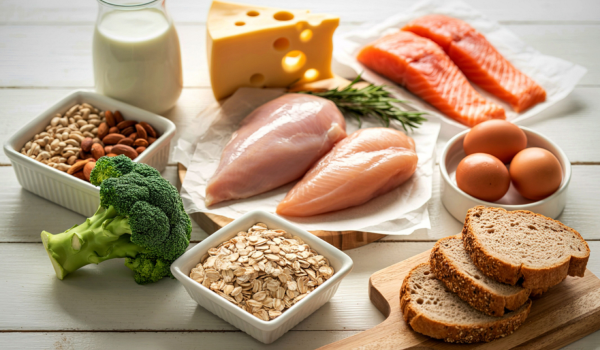
When groceries are purchased for an entire week, it becomes helpful to think about food availability across several days rather than focusing on individual meals. A balanced grocery plan includes foods that provide protein, fiber-rich carbohydrates, healthy fats, and essential vitamins.
This variety supports steady energy and nutritional balance throughout the week.
Planning several simple meal combinations in advance can also reduce uncertainty about what to cook or prepare later in the week.
Creating Flexible Meal Options
Instead of planning every meal in detail, many people find it helpful to prepare ingredients that can be used in multiple dishes. For example, cooked grains, roasted vegetables, and proteins can be combined in different ways during the week.
This approach allows flexibility while still maintaining balanced meals.
Choosing Foods With Different Shelf Lives
Fresh Foods For Early In The Week
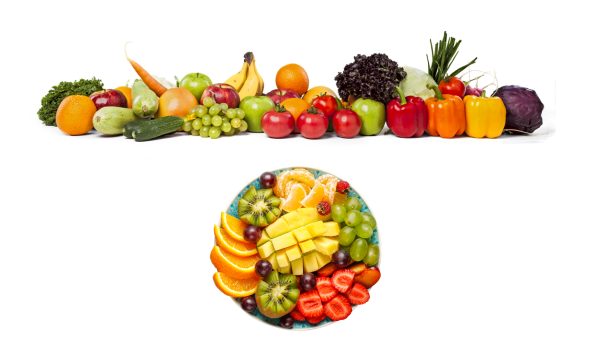
Fresh fruits, leafy greens, and delicate vegetables often have shorter shelf lives. These foods are typically best enjoyed during the first few days after shopping.
Using these ingredients early in the week helps reduce food waste while providing nutrient-rich meals.
Examples include salads, fresh vegetable dishes, or fruit-based breakfasts.
Longer-Lasting Produce
Some fruits and vegetables remain fresh for longer periods. Items such as carrots, cabbage, apples, onions, and sweet potatoes store well for many days when kept properly.
Including these foods in weekly grocery plans helps maintain access to fresh ingredients later in the week.
Protein Sources That Last
Refrigerated Proteins
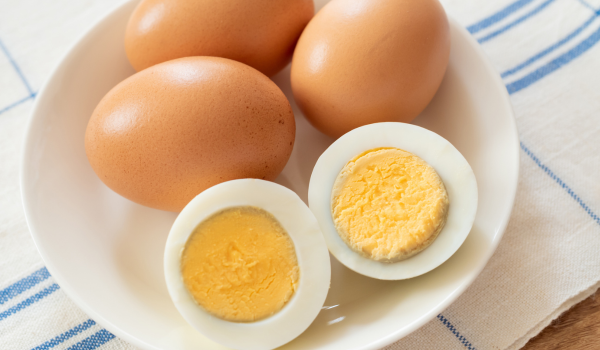
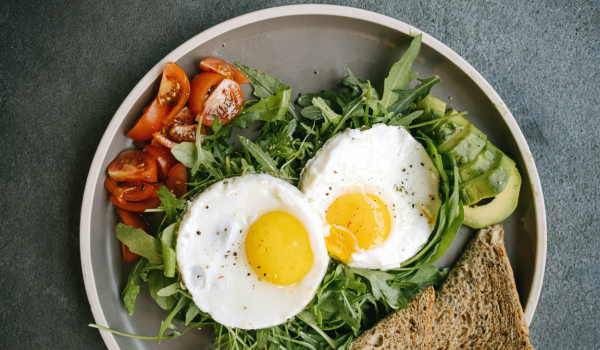
Foods such as eggs, yogurt, cheese, and certain cooked meats often remain usable for several days when stored properly in the refrigerator.
Preparing or cooking some protein sources in advance can make meal preparation easier during busy days.
Freezer-Friendly Options
Freezing certain foods can extend their shelf life and help maintain variety later in the week. Frozen vegetables, fish, poultry, and prepared meals can be used whenever fresh supplies become limited.
Frozen foods can be nutritionally comparable to fresh options when handled properly.
Pantry Staples That Support Balanced Meals
Shelf-Stable Ingredients
Pantry foods provide reliable nutrition when fresh ingredients begin to run low. Whole grains such as oats, rice, and quinoa store well and serve as foundations for many meals.
Canned beans, lentils, and tomatoes are also versatile ingredients that can support balanced dishes.
These foods help maintain meal variety even toward the end of the week.
Healthy Fats And Flavor Additions
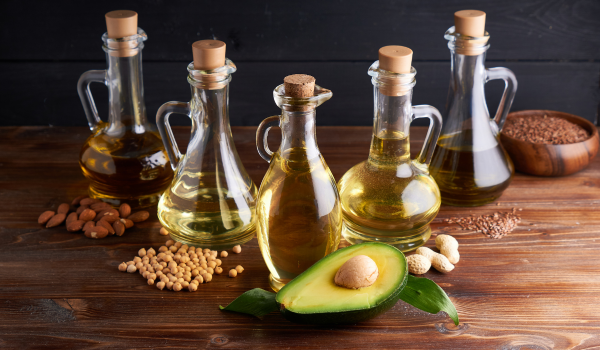
Pantry items such as olive oil, nuts, seeds, and nut butters provide healthy fats and add flavor to meals.
These ingredients help increase satiety and improve the overall balance of weekly meals.
Storing Food Properly For Longer Freshness
Refrigeration Techniques
Proper storage can significantly extend the freshness of many foods. Vegetables stored in appropriate containers or produce drawers often remain crisp for longer periods.
Separating ethylene-producing fruits—such as apples or bananas—from delicate vegetables may also help prevent premature spoilage.
Freezing Extra Portions
Freezing cooked meals or extra ingredients early in the week provides convenient options later when fresh supplies are limited.
Soups, stews, cooked grains, and proteins often freeze well and can be reheated easily.
Maintaining Balanced Snacks Throughout The Week
Portable Snack Options
Weekly grocery trips can include snack foods that remain fresh for several days. Nuts, seeds, yogurt, fruit, whole-grain crackers, and cheese are convenient options.
Combining protein and fiber in snacks helps maintain steady energy between meals.
Avoiding End-Of-Week Gaps
Planning snacks for the entire week prevents situations where only less balanced options remain toward the end of the grocery cycle.
Stocking both fresh and shelf-stable snacks helps maintain consistency.
Managing Food Variety Over Several Days
Rotating Ingredients
Using different ingredients throughout the week helps maintain interest in meals. Even simple foods can feel new when prepared in different ways.
For example, vegetables may be eaten raw early in the week and later used in soups or roasted dishes.
This rotation helps reduce monotony.
Combining Fresh And Frozen Foods
As fresh foods become limited later in the week, frozen vegetables or proteins can easily supplement meals.
Combining these options ensures that meals remain balanced even when grocery supplies decrease.
Supporting Energy And Meal Satisfaction
Balanced Nutrient Composition
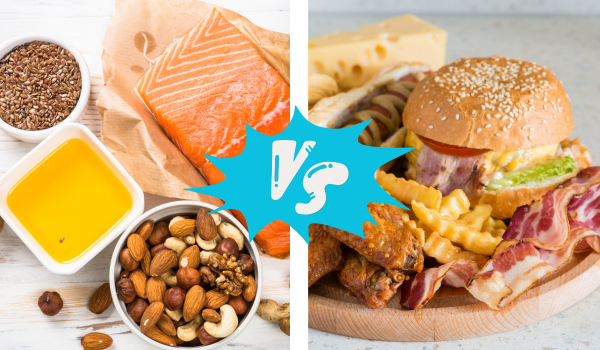
Meals that include carbohydrates, protein, and healthy fats support steady energy levels and longer-lasting fullness.
Weekly grocery planning should aim to include foods from each of these categories.
Balanced meals are more satisfying and support consistent energy.
Simple Meal Structures
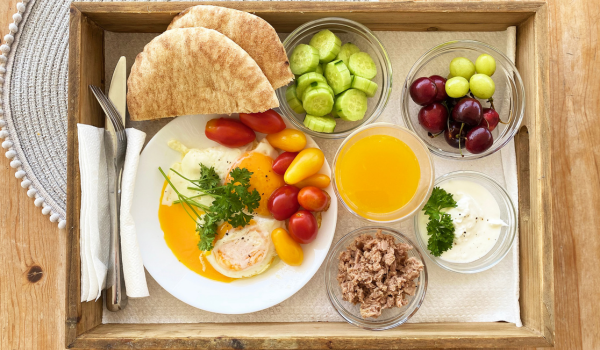
Simple meal structures—such as grain bowls, soups, salads, or wraps—can incorporate many different ingredients throughout the week.
These adaptable formats make it easier to use available foods efficiently.
Building Practical Weekly Shopping Habits
Making A Flexible Grocery List
Creating a grocery list based on categories rather than specific recipes allows more flexibility. Lists might include vegetables, proteins, whole grains, fruits, and snacks.
This structure ensures nutritional balance while allowing creativity in meal preparation.
Preparing Foods After Shopping
Washing produce, cooking grains, or preparing ingredients shortly after grocery shopping can save time later in the week.
Prepared ingredients make it easier to assemble balanced meals quickly.
Long-Term Benefits Of Weekly Grocery Planning
Reducing Food Waste
Careful planning and proper storage help reduce food waste. Using foods according to their shelf life ensures that ingredients are consumed before spoiling.
This approach supports both financial savings and environmental sustainability.
Supporting Consistent Nutrition
When groceries are planned thoughtfully, balanced nutrition becomes easier to maintain throughout the week.
Consistent access to nutritious foods supports stable energy and overall well-being.
Eating well when grocery shopping happens only once a week is entirely achievable with thoughtful planning, balanced food choices, and proper storage. Selecting foods with varying shelf lives, incorporating freezer and pantry staples, and rotating ingredients across meals help maintain variety and nutrition throughout the week. By organizing groceries to support flexible meals and balanced snacks, households can enjoy satisfying, nourishing meals even with limited shopping trips. Learn more about practical nutrition strategies, explore simple meal planning techniques, and take action today to create weekly routines that support both convenience and health.








.png)
.png)
.png)
.png)

.png)
.png)
.png)
.png)
.png)
.png)
.png)
.png)
.png)
.png)


.png)
.png)
.png)
.png)
.png)
.png)
.png)
.png)