.png)
Long road trips can be exciting experiences filled with new destinations, changing landscapes, and extended hours on the road. However, spending many hours traveling also changes normal eating routines. Meal timing may shift, food choices may become limited to roadside stops, and physical activity may decrease. These conditions can influence hunger signals, digestion, and energy levels. Understanding how to eat well during long road trips helps maintain steady energy, comfort, and overall well-being throughout the journey.
How Long Travel Periods Affect Hunger Signals
Irregular Meal Timing
Road trips often disrupt regular meal schedules. Drivers and passengers may delay meals while focusing on reaching the next destination or stop.
When meals are delayed, hunger hormones such as ghrelin gradually increase. By the time food becomes available, hunger may feel stronger than usual.
This accumulated hunger can lead to faster eating or larger portions once a meal is finally consumed.
Time Perception And Appetite
Travel also alters the perception of time. Long stretches of driving can make it difficult to recognize when a typical mealtime has passed.
Without the structure of daily routines, meals may become irregular or replaced by frequent snacks.
Planning meal intervals in advance helps maintain more stable hunger signals.
The Influence Of Prolonged Sitting
Reduced Physical Movement
During road trips, people remain seated for extended periods. This reduction in physical activity lowers energy expenditure compared with typical daily routines.
While appetite may still appear due to habit or boredom, the body’s immediate energy needs may be lower than usual.
Balancing portion sizes with reduced movement helps maintain energy balance.
Circulation And Digestive Comfort
Sitting for long periods can slow circulation and contribute to stiffness or discomfort. Eating large meals during prolonged sitting may also feel heavy.
Taking short breaks to stand or walk encourages circulation and supports digestion.
Food Availability On The Road
Limited Food Choices
Many roadside stops offer quick, convenient foods designed for portability. These options may include packaged snacks, sandwiches, or fast meals.
While convenient, these foods may vary in nutritional balance.
Selecting options that include protein, fiber-rich carbohydrates, and healthy fats helps support satiety and stable energy.
Planning Ahead
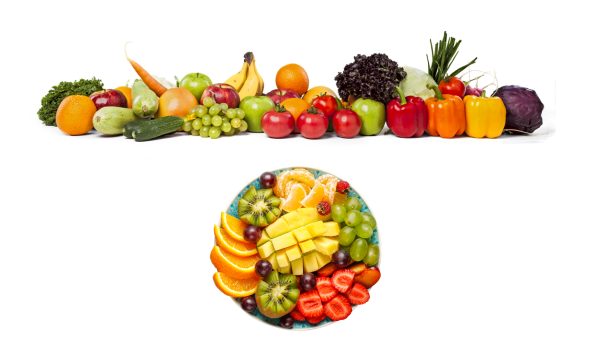
Preparing some foods before leaving can provide more balanced choices. Items such as fruit, nuts, yogurt, or whole-grain sandwiches are portable and easy to store in travel coolers.
Having planned options available reduces reliance on unpredictable roadside choices.
Hydration During Travel
Increased Risk Of Dehydration
Travel environments can lead to reduced water intake. People may drink less to avoid frequent stops, or they may replace water with caffeinated or sugary beverages.
Dehydration can contribute to fatigue, headaches, and reduced concentration while driving.
Drinking water regularly supports energy levels and cognitive clarity.
Distinguishing Thirst From Hunger
Sometimes thirst can be mistaken for hunger, especially during sedentary activities such as driving.
Maintaining regular hydration helps clarify hunger signals and prevents unnecessary snacking.
Snacking Habits On Road Trips
Convenience And Accessibility
Snacks within reach of the driver or passengers are often eaten automatically. Without the boundaries of structured meals, snacking may occur more frequently.
Mindful awareness of hunger cues can help distinguish between true hunger and boredom.
Choosing Satisfying Snacks
Snacks that include protein and fiber provide longer-lasting satisfaction. Examples include nuts with fruit, whole-grain crackers with cheese, or yogurt with seeds.
These combinations support steady energy and reduce rapid hunger return.
Managing Energy And Alertness
Stable Blood Sugar For Focus
Driving requires sustained attention. Balanced meals help maintain stable blood glucose levels, which support concentration and reaction time.
Meals composed primarily of refined carbohydrates may lead to quicker energy fluctuations.
Combining carbohydrates with protein and healthy fats promotes more gradual energy release.
Avoiding Heavy Meals Before Driving
Large meals can increase drowsiness for some individuals. The body directs energy toward digestion, which may contribute to feelings of fatigue.
Moderate portion sizes help maintain alertness during long drives.
Creating Structured Eating During Travel
Planned Meal Stops
Scheduling meal stops every few hours provides opportunities to stretch, walk, and eat comfortably.
These breaks support circulation, digestion, and mental refreshment.
Structured stops help maintain predictable eating patterns.
Eating Without Distraction
Eating while driving or multitasking may reduce awareness of fullness and satisfaction.
Taking a few minutes to step out of the vehicle and focus on the meal helps the brain recognize satiety signals.
Supporting Digestive Comfort On The Road
Light Movement After Meals
Walking briefly after eating encourages digestive motility. Even a short stretch or walk around a rest area can improve comfort.
Movement also helps reduce stiffness from prolonged sitting.
Balanced Portions
Meals that combine moderate portions with balanced nutrients are often easier to digest during travel.
Avoiding very large or heavy meals may reduce discomfort during long drives.
Preparing For Long Travel Days
Packing Balanced Travel Foods
Preparing a small travel food kit can make eating on the road easier. Portable items such as nuts, fruit, whole-grain wraps, and yogurt provide flexible meal options.
These foods help maintain nutrition even when restaurant choices are limited.
Maintaining Flexible Routines
Travel schedules can change unexpectedly due to traffic, weather, or delays. Flexibility allows eating patterns to adjust while still maintaining balanced nutrition.
Listening to hunger and fullness cues supports this adaptability.
Balancing Enjoyment And Nutrition
Exploring Local Foods
Road trips often include opportunities to try regional foods. Enjoying local cuisine can be a meaningful part of the travel experience.
Balancing these experiences with nutritious meals throughout the day supports overall well-being.
Focusing On Long-Term Patterns
A single travel day does not determine overall health. Consistent habits across weeks and months matter more than individual meals.
Maintaining awareness of hunger, hydration, and balanced nutrition helps keep travel enjoyable and comfortable.
Long road trips change daily routines, meal timing, and activity levels, which can influence hunger signals and digestion. Planning ahead with balanced snacks, staying hydrated, scheduling meal breaks, and incorporating short movement intervals all help maintain steady energy and comfort during travel. By creating small moments of mindful eating and choosing satisfying foods, travelers can support both focus and well-being throughout the journey. Learn more about how daily habits influence nutrition, explore practical strategies for balanced eating on the road, and take action today to make your next trip both enjoyable and nourishing.















.png)
.png)
.png)
.png)

.png)
.png)
.png)
.png)
.png)
.png)
.png)
.png)
.png)
.png)



.png)
.png)
.png)
.png)
.png)
.png)
.png)
.png)