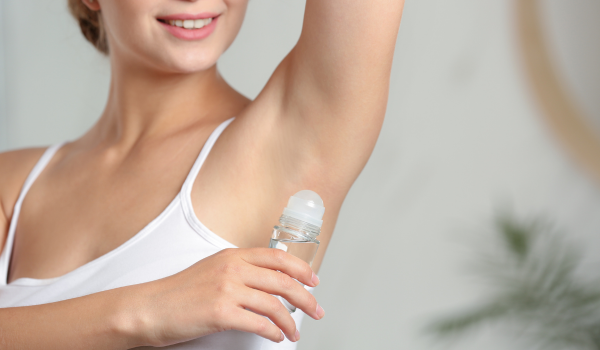
Whether you're heading to work, hitting the gym, or spending time outdoors during hot weather, deodorant is an essential part of many people's daily routine. But have you ever wondered if there's actually a best time to apply it?
According to dermatologists, the answer depends on the type of product you're using. Many people assume deodorants and antiperspirants work the same way, but they serve different purposes and should be applied differently for the best results.
Understanding the difference can help you stay fresher, reduce sweating more effectively, and avoid common application mistakes.
Deodorant Vs. Antiperspirant: What's The Difference?
Although they're often sold together, deodorants and antiperspirants perform two completely different functions.
Deodorant
A deodorant helps control body odor by reducing or masking the smell caused by bacteria that break down sweat. However, it does not stop your body from producing sweat.
Antiperspirant
An antiperspirant reduces sweating by temporarily blocking the sweat glands. Most antiperspirants use aluminum-based ingredients that form temporary plugs inside the sweat ducts, helping keep your underarms drier.
Many products combine both ingredients into a single stick or spray, but understanding how each works is important for proper use.
When Should You Apply Deodorant?
The good news is that deodorant is flexible.
Because its primary purpose is odor control rather than sweat reduction, you can apply it whenever you need it.
Best Practice
Always apply deodorant to clean, freshly washed skin.
Avoid putting deodorant directly over sweaty underarms because bacteria are already present on damp skin, which can worsen body odor and reduce the product's effectiveness.
When Should You Apply Antiperspirant?
Unlike deodorant, timing matters a great deal for antiperspirants.
Dermatologists recommend applying antiperspirant before going to bed.
Why Nighttime Works Best
During sleep, your sweat glands are less active. This allows the aluminum salts more time to enter the sweat ducts and form effective plugs before sweating begins the next day.
Once applied correctly, most antiperspirants continue working for approximately 24 hours, even after showering the following morning.
Should You Use Combination Deodorant And Antiperspirant Products?
Many products combine deodorant and antiperspirant into one formula.
While these products are convenient, they may not always be the ideal choice for everyone.
What Experts Recommend
If your goal is both odor protection and sweat control, applying a combination product at night allows the antiperspirant ingredient to work most effectively.
However, many people also prefer applying deodorant again before leaving the house in the morning for added freshness.
Because antipersperspirants generally should not be applied more than once every 24 hours, using a separate deodorant in the morning may be a better option than repeatedly applying a combination product.
Are Long-Lasting Antiperspirants Better?
Some products advertise protection for 36, 48, or even 72 hours.
While these products can be effective, stronger isn't always better.
Use With Caution
Clinical-strength antiperspirants often contain higher concentrations of aluminum salts, which may increase the risk of skin irritation, redness, itching, or dryness if used too frequently.
Unless instructed by your healthcare provider, daily use of extra-strength formulas may not be necessary for most people.
Tips To Get Better Results From Your Deodorant Or Antiperspirant
Small changes in your routine can make a significant difference in how well these products perform.
Apply Antiperspirant To Completely Dry Skin
Moisture can dilute the active ingredients, reducing effectiveness and increasing the chance of irritation.
After showering, wait until your underarms are completely dry before applying. Some people even use a cool hair dryer to speed up the drying process.
Let The Product Dry Before Dressing
Allow your deodorant or antiperspirant to dry completely before putting on clothing.
This helps prevent stains on fabrics while ensuring more product remains on your skin instead of rubbing onto your clothes.
Never Apply Deodorant To Sweaty Skin
Applying deodorant over perspiration traps moisture and bacteria beneath the product, making body odor more noticeable rather than preventing it.
If you've already started sweating, clean and dry your underarms before reapplying.
Choose The Right Formula
If excessive sweating is your main concern, select an antiperspirant instead of a deodorant.
If body odor is the primary issue but sweating isn't excessive, a deodorant alone may be sufficient.
Give Your Product Time To Work
If you're switching from morning application to nighttime application, continue the new routine for at least two weeks.
Antiperspirants often become more effective after consistent use because the sweat ducts remain partially blocked over time.
When Should You See A Dermatologist?
Most people can control sweating and body odor using over-the-counter products.
However, persistent excessive sweating or severe body odor may indicate an underlying medical condition.
Consider Medical Advice If You Experience
- Excessive sweating that interferes with daily life
- Sweat that soaks through clothing regularly
- Persistent odor despite good hygiene
- Skin irritation from multiple products
- No improvement after trying stronger over-the-counter antiperspirants
A dermatologist can evaluate your symptoms and recommend prescription-strength antiperspirants, prescription wipes, oral medications, or treatments such as botulinum toxin (Botox) injections for excessive sweating.
Final Thoughts
Choosing the right product is only part of staying fresh throughout the day—using it correctly is equally important.
Deodorants are designed to control odor and can be applied whenever needed, as long as your skin is clean and dry. Antiperspirants, on the other hand, work best when applied at night, allowing the active ingredients to block sweat glands before they become active the next day.
By understanding the difference between these products and following proper application techniques, you can maximize protection against both sweat and body odor while keeping your skin healthy and comfortable.



.png)



.png)
.png)















.png)
.png)
.png)
.png)


.png)




.png)