Strong bones depend on more than exercise alone. The foods you eat can also play an important role in maintaining bone density and reducing the risk of osteoporosis as you age.
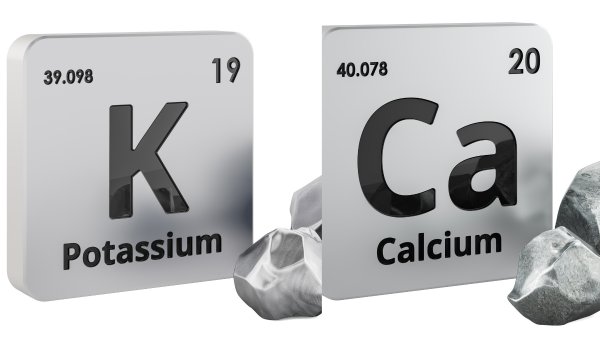
Calcium and vitamin D are two of the most important nutrients for bone health, but protein, magnesium, phosphorus, and other minerals also contribute to building and maintaining a strong skeleton.
Fortunately, you can get these nutrients from a wide range of foods, including dairy products, fish, leafy greens, tofu, nuts, seeds, and fortified foods.
How To Support Bone Health
Healthy bones are built and maintained through a combination of nutrition and physical activity.
Regular exercise helps stimulate bones and muscles, which is especially important as you get older.
Helpful Types Of Exercise
Try to include a combination of:
- Weight-bearing activities such as walking, running, hiking, and dancing
- Strength training with weights, resistance bands, or body weight
- Balance and flexibility exercises such as yoga, Pilates, and Tai Chi
- Low-impact cardiovascular activities such as swimming and cycling
Adults should generally aim for around 150 minutes of moderate physical activity each week, along with regular muscle-strengthening exercise.
Why Calcium And Vitamin D Matter
Calcium is one of the main minerals used to build bones and teeth. Most of the calcium in your body is stored in your skeleton.
When the body does not get enough calcium from food, it may take calcium from bones to maintain other essential functions.
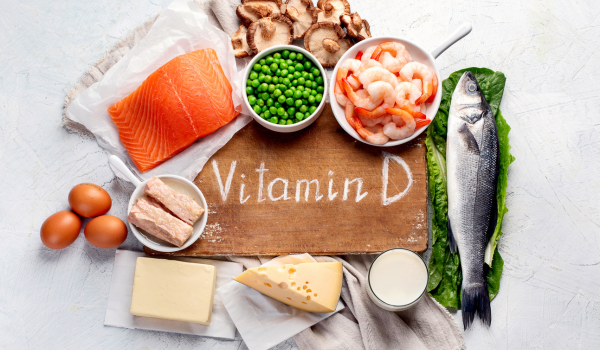
Vitamin D helps the body absorb calcium efficiently and also supports muscles, nerves, and immune function.
Recommended Daily Intake
General recommendations include:
- Adults up to age 50: about 1,000 milligrams of calcium and 600 IU of vitamin D
- Adults ages 51–70: about 1,000–1,200 milligrams of calcium and 600 IU of vitamin D
- Adults age 71 and older: about 1,200 milligrams of calcium and 800 IU of vitamin D
Individual needs may vary depending on age, health conditions, medications, and dietary habits.
1. Milk
Milk is one of the most familiar calcium-rich foods.
It provides calcium in a form that is relatively easy for the body to absorb and also supplies protein, phosphorus, vitamin B12, and other nutrients.
Calcium Content
Approximate amounts include:
- 1 cup of 1% milk: 305 milligrams of calcium
- 1 cup of skim milk: 299 milligrams
- 1 cup of low-fat buttermilk: 284 milligrams
Fortified milk may also provide vitamin D, further supporting calcium absorption.
2. Yogurt
Yogurt is another excellent source of calcium and protein.
It may also provide magnesium, vitamin B12, riboflavin, iodine, and vitamin D if fortified.
Calcium Content
Examples include:
- 1 cup of low-fat plain yogurt: about 415 milligrams
- 7 ounces of low-fat Greek yogurt: about 230 milligrams
Choose plain or lower-sugar varieties when possible.
3. Cheese
Cheese provides concentrated amounts of calcium, protein, and phosphorus.
Calcium content varies significantly depending on the type.
Examples
- 1/4 cup Swiss cheese: about 294 milligrams of calcium
- 1/4 cup mozzarella: about 272 milligrams
- 1/4 cup cheddar: about 234 milligrams
- 1/4 cup Parmesan: about 213 milligrams
- 1/2 cup ricotta: about 337 milligrams
Cheese can be nutritious, but many varieties are also high in sodium and saturated fat.
Enjoy it in moderate portions as part of a balanced diet.
4. Fortified Plant-Based Milk
People who do not consume dairy can still meet their calcium needs through fortified plant-based beverages.
Many soy, almond, oat, and rice milks are fortified with calcium and vitamin D.
Examples
Depending on the brand:
- 1 cup unsweetened soy milk may provide about 300 milligrams of calcium
- 1 cup fortified almond milk may provide 450–500 milligrams or more
- 1 cup rice milk may provide around 280 milligrams
Nutrient levels vary widely, so always check the nutrition label.
Best Choice
Look for unsweetened options fortified with both calcium and vitamin D.
5. Sardines
Sardines are one of the best non-dairy foods for bone health because their small edible bones provide a substantial amount of calcium.
They also contain vitamin D, protein, and omega-3 fatty acids.
A serving of canned sardines may provide more than 300 milligrams of calcium.
Ways To Eat Sardines
Try them:
- On whole-grain crackers
- In pasta
- On salads
- On toast
- Mixed into rice dishes
Choosing lower-sodium varieties can help reduce overall salt intake.
6. Salmon And Tuna
Fatty fish provide vitamin D, which helps your body absorb calcium.
Salmon
A 3-ounce serving of cooked salmon can provide a significant amount of vitamin D along with protein and omega-3 fats.
Canned salmon with edible bones also provides considerably more calcium than boneless salmon.
Tuna
Tuna contains less vitamin D than salmon but can still contribute to your daily intake.
Choose varieties appropriate for your overall mercury exposure and dietary needs.
7. Egg Yolks
Egg yolks provide small amounts of both calcium and vitamin D.
One large egg also supplies about six grams of high-quality protein when you eat both the yolk and white.
Why Eggs Help
Protein helps maintain muscle mass, which indirectly protects bones by improving strength and reducing fall risk.
Eggs are best used as part of a varied diet rather than as a primary calcium source.
8. Calcium-Set Tofu
Tofu can be one of the richest plant-based sources of calcium when it is prepared with calcium sulfate.
Some varieties provide several hundred milligrams of calcium per serving.
Check The Label
Calcium levels vary dramatically between brands and manufacturing methods.
Look for ingredients such as calcium sulfate and compare nutrition labels before purchasing.
Tofu also provides plant-based protein, making it especially useful for vegetarians and vegans.
9. Edamame
Edamame, or young soybeans, provides calcium, protein, fiber, magnesium, and other beneficial nutrients.
One cup of cooked edamame can provide around 175 milligrams of calcium.
Easy Ways To Use It
Add edamame to:
- Salads
- Grain bowls
- Soups
- Stir-fries
- Pasta dishes
It also works well as a simple snack.
10. Dark Leafy Greens
Many dark green vegetables contain calcium along with vitamin K, magnesium, antioxidants, and fiber.
Good options include:
- Kale
- Collard greens
- Mustard greens
- Bok choy
- Spinach
Approximate Calcium Content
One cooked cup may provide:
- Kale: about 180 milligrams
- Mustard greens: about 165 milligrams
- Collard greens: more than 350 milligrams
- Spinach: around 245 milligrams
However, the body does not absorb calcium equally from every vegetable.
Spinach, for example, contains oxalates that reduce calcium absorption, while kale and bok choy tend to provide more bioavailable calcium.
11. Nuts And Seeds
Certain nuts and seeds provide calcium along with magnesium, healthy fats, protein, and other minerals important for bone health.
Good choices include:
- Almonds
- Sesame seeds
- Chia seeds
- Sunflower seeds
- Brazil nuts
Why Magnesium Matters
Magnesium participates in bone formation and helps regulate calcium and vitamin D metabolism.
People with adequate magnesium intake tend to have better overall bone health.
Because nuts and seeds are calorie-dense, moderate portions are usually enough.
Mushrooms Can Add Vitamin D
Mushrooms are unusual because they can produce vitamin D when exposed to ultraviolet light.
UV-exposed mushrooms can provide meaningful amounts of vitamin D2.
However, many commercially grown mushrooms are raised in darkness and may contain very little vitamin D.
Shopping Tip
Look for packaging that specifically mentions UV exposure or vitamin D enrichment.
Never eat wild mushrooms unless they have been identified as safe by a qualified expert.
Fortified Cereals
Most grains naturally contain little calcium, but fortified breakfast cereals can provide significant amounts.
Some products contain several hundred milligrams of calcium per serving.
Choose Carefully
Check labels for:
- Calcium content
- Vitamin D content
- Added sugar
- Serving size
Extremely high-calcium products may provide more than the body can absorb at once.
Calcium is generally absorbed more efficiently when intake is spread throughout the day.
Fortified Juices
Some orange, grapefruit, and other fruit juices are fortified with calcium and vitamin D.
One cup may provide around 300–350 milligrams of calcium.
Watch The Sugar
Even 100% fruit juice can contain substantial amounts of natural sugar.
Choose smaller portions and prioritize whole fruit for most of your daily fruit intake.
Unsweetened or lower-sugar fortified options are preferable when available.
Spread Calcium Throughout The Day
Your body absorbs calcium more efficiently in moderate amounts rather than consuming a very large dose all at once.
Instead of getting nearly all your calcium at breakfast, distribute calcium-rich foods throughout your meals.
Example
You might have:
- Yogurt at breakfast
- Leafy greens with lunch
- Edamame as a snack
- Salmon and vegetables at dinner
This can make it easier to meet your needs naturally.
Do You Need Calcium Supplements?
Many people can meet their calcium needs through food, but supplements may be useful when dietary intake is consistently low.
However, taking more calcium than necessary is not always better.
Excessive supplemental calcium may cause digestive problems and can be inappropriate for people with certain medical conditions.
Speak with a healthcare provider before regularly taking high-dose calcium or vitamin D supplements.
Other Habits That Protect Your Bones
Nutrition works best when combined with healthy lifestyle habits.
Strength Train Regularly
Resistance exercise stimulates both muscle and bone.
Stay Active
Walking, hiking, dancing, and other weight-bearing activities help maintain skeletal strength.
Avoid Smoking
Smoking is associated with lower bone density and higher fracture risk.
Limit Excessive Alcohol
Heavy alcohol consumption may interfere with bone formation and increase the likelihood of falls.
Maintain Muscle Mass
Adequate protein and regular exercise help preserve muscle, which supports balance and protects against fractures.
Final Thoughts
Strong bones depend on a combination of calcium, vitamin D, protein, magnesium, physical activity, and other healthy habits.
Dairy products such as milk, yogurt, and cheese are excellent calcium sources, but they are not your only options. Sardines, tofu, edamame, leafy greens, nuts, seeds, fortified plant milks, cereals, and juices can all contribute to your daily needs.
Rather than relying on one specific food, aim for a varied diet that provides bone-supporting nutrients throughout the day. Combined with strength training and regular weight-bearing activity, these foods can help protect bone density and reduce osteoporosis risk as you age.


.png)




.png)
.png)
















.png)
.png)
.png)
.png)



.png)




.png)