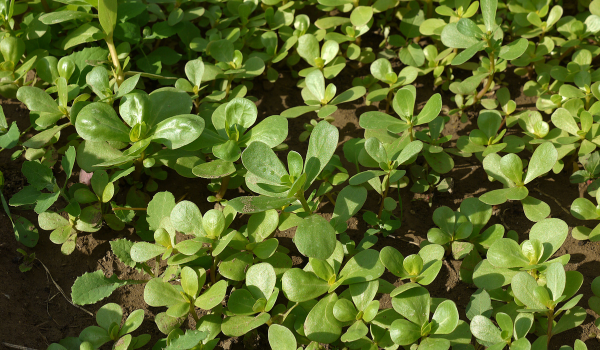
Purslane is a leafy plant often considered a weed, but it is rich in nutrients such as vitamins, minerals, and antioxidants. The plant has been used in traditional diets and herbal medicine in various parts of the world.
Early research suggests that purslane may offer several potential health benefits, including supporting blood sugar balance and providing protective antioxidants. However, many studies are still small or preliminary, so more human research is needed to confirm these effects.
Helps With Blood Sugar Control
Some early research suggests purslane may support blood sugar regulation.
In a small clinical study involving people with type 2 diabetes, participants consumed purslane seed powder twice daily. Researchers observed improvements in several health markers, including lower insulin levels, reduced body weight, and decreased body mass index (BMI).
Participants also showed improvements in cholesterol levels, including higher levels of high-density lipoprotein (HDL) cholesterol and lower total cholesterol and triglycerides.
The results were similar to those seen with certain diabetes medications, suggesting purslane may have potential as a complementary dietary option. However, more research is necessary before it can be recommended for managing diabetes.
Provides Powerful Antioxidants
Purslane contains several compounds with antioxidant activity.
Antioxidants help protect cells from damage caused by free radicals. Excess free radical activity can contribute to aging and the development of chronic diseases.
Key antioxidants found in purslane include:
-
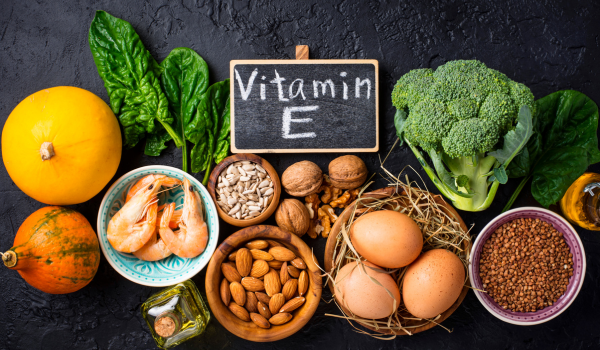
Vitamin E (alpha-tocopherol)
-
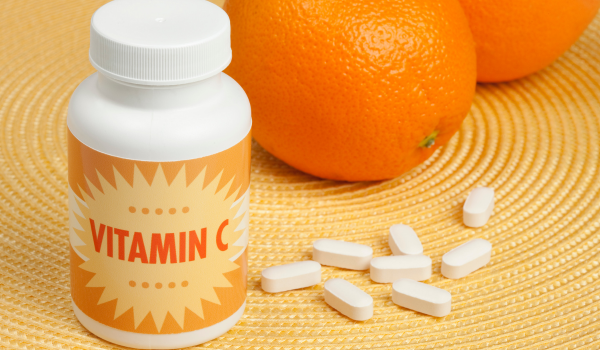
Vitamin C (ascorbic acid)
-
Beta-carotene, which the body converts into vitamin A
-
Phenolic compounds
-
Certain alkaloids
Some laboratory studies have also suggested that these compounds may help slow processes involved in cancer development. However, these findings are preliminary and require further investigation.
Supports Eye Health
Purslane is particularly rich in vitamin A compared with many other leafy vegetables.
Vitamin A plays an important role in maintaining healthy vision and supporting the function of the retina.
Adequate vitamin A intake may help reduce the risk of age-related macular degeneration (AMD), a common cause of vision loss among older adults.
Although vitamin A deficiency is uncommon in many developed countries, certain groups—such as people with inflammatory bowel disease—may have a higher risk of low vitamin A levels.
May Benefit Liver Health
Some research suggests that purslane may help reduce oxidative stress in the liver.
Oxidative stress occurs when free radicals outnumber antioxidants in the body and may contribute to conditions such as non-alcoholic fatty liver disease (NAFLD).
In one clinical study, individuals with NAFLD who consumed purslane seeds daily for several weeks showed reduced oxidative stress and improved metabolic markers.
However, another study using purslane extract did not show significant improvements in liver health, highlighting the need for further research.
May Help Reduce Heavy Menstrual Bleeding
Heavy menstrual bleeding is a common gynecological concern that can sometimes lead to complications such as iron deficiency anemia, fatigue, or emotional distress.
Some small clinical studies suggest that purslane seeds may help reduce menstrual blood loss when consumed at specific times during the menstrual cycle.
Participants in these studies experienced shorter periods and reduced bleeding.
While these results are promising, larger studies are needed to confirm whether purslane can consistently help manage heavy menstrual bleeding.
Purslane Nutrition Facts
Purslane is low in calories but contains a variety of beneficial nutrients.
One cup of raw purslane typically provides:
-
Calories: 8.6
-
Fat: 0.16 g
-
Sodium: 19.4 mg
-
Carbohydrates: 1.46 g
-
Fiber: 0 g
-
Added sugar: 0 g
-
Protein: 0.87 g
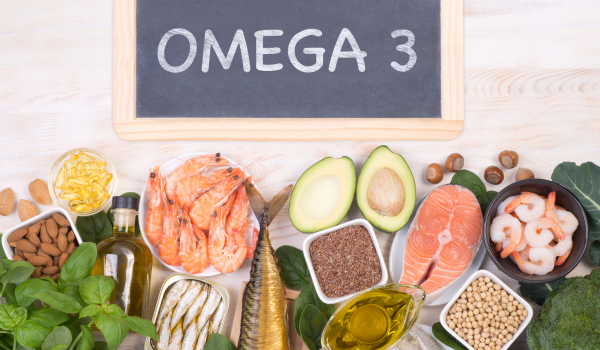
Purslane is also a source of omega-3 fatty acids, vitamins A and C, and smaller amounts of minerals such as iron and magnesium.
Potential Risks Of Purslane
Although purslane is generally safe to eat, some people may need to limit their intake.
Purslane contains compounds called oxalates, which can contribute to kidney stone formation in susceptible individuals. People with kidney disease or a history of kidney stones may need to moderate consumption.
There is also limited information about the safety of purslane for pregnant or breastfeeding individuals, so consulting a healthcare professional is recommended before adding it to the diet.
How To Safely Identify Purslane
Purslane can sometimes be found growing wild, but proper identification is essential.
It may be confused with a plant called spotted spurge, which is mildly toxic.
One simple way to tell the difference is by breaking the stem. Spotted spurge produces a milky sap, while purslane does not.
It is also important to avoid harvesting plants that may have been exposed to herbicides or pesticides.
Tips For Consuming Purslane
Purslane has a slightly tart and salty flavor that works well in many dishes.
Common ways to include purslane in meals include:
-
Adding it to tacos, omelets, or stir-fries
-
Mixing fresh leaves and stems into salads
-
Using it in sauces such as chimichurri, pesto, or salsa
-
Lightly sautéing or steaming it as a side dish
-
Adding it to sandwiches in place of lettuce or pickles
Because both the stems and leaves are edible, purslane is easy to incorporate into a variety of recipes.



.png)



.png)

.png)





.png)
.png)
.png)
.png)
.png)

.png)