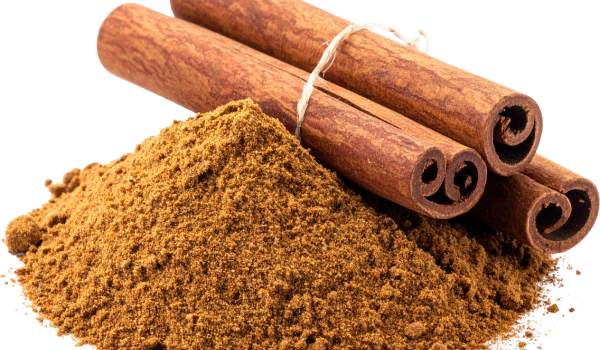
Cinnamon is widely used as a culinary spice, but growing research suggests it may also offer potential health benefits. While most studies are still limited or preliminary, evidence indicates that cinnamon may help support the management of several health conditions when used as part of a balanced lifestyle.
High Cholesterol
Cinnamon supplementation has been associated with reductions in total cholesterol and triglyceride levels.
cholesterol and triglycerides
Some studies suggest that relatively small daily amounts of cinnamon may help lower total cholesterol and circulating fats in the blood. While cinnamon does not appear to significantly raise HDL (“good”) cholesterol, reducing total cholesterol and triglycerides may still contribute to improved heart health.
Type 2 Diabetes
Cinnamon is one of the most studied spices in relation to blood sugar control.
insulin resistance and glucose levels
Research indicates that cinnamon may improve insulin sensitivity and help lower fasting blood glucose. In people with prediabetes or obesity, regular cinnamon intake has been linked to reduced blood sugar spikes and improved glucose tolerance. However, results remain inconsistent, and cinnamon should not replace standard diabetes treatment.
Rheumatoid Arthritis
Cinnamon contains compounds with anti-inflammatory properties.
joint pain and inflammation
Small studies suggest that cinnamon supplementation may help reduce joint tenderness, swelling, and fatigue in people with rheumatoid arthritis. Decreases in inflammatory markers have also been observed, indicating potential benefits for chronic inflammatory conditions.
Tooth And Gum Disease
Cinnamon oil has demonstrated antimicrobial activity.
oral bacteria and infections
Cinnamon may help reduce cavity-causing bacteria, lower the risk of gum inflammation, and protect against oral fungal overgrowth. These benefits have been primarily observed in dental products such as toothpaste and mouthwash containing cinnamon extracts.
Alzheimer’s Disease
Cinnamon may support brain health through its antioxidant effects.
cognitive protection
Animal and laboratory studies suggest cinnamon could help improve memory and learning while reducing inflammation and oxidative stress in the brain. Whether these effects translate to humans remains unclear, and further research is needed.
High Blood Pressure
Cinnamon supplementation may support cardiovascular health.
blood pressure regulation
Some studies have found that regular cinnamon intake is associated with modest reductions in both systolic and diastolic blood pressure. Maintaining healthy blood pressure levels may lower the risk of heart disease, stroke, kidney disease, and vision problems.
Menstrual Cramps And Heavy Bleeding
Cinnamon has traditionally been used to relieve menstrual discomfort.
pain and menstrual flow
Research suggests that cinnamon supplementation may reduce the intensity of menstrual cramps and help decrease excessive bleeding during the early days of menstruation. These effects may be linked to cinnamon’s anti-inflammatory and muscle-relaxing properties.
How To Add Cinnamon To Your Diet
Cinnamon can be incorporated into the diet in small, safe amounts.
types of cinnamon
Cassia cinnamon is widely available but contains coumarin, which may cause liver issues if consumed in large quantities. Ceylon cinnamon contains much lower levels of coumarin and is generally considered safer for regular use.
dietary use and supplements
Cinnamon can be added to oatmeal, coffee, tea, smoothies, soups, or baked goods. While supplements are available, high doses may cause digestive discomfort or other side effects. Cinnamon is not a medical treatment, and anyone considering supplements should consult a healthcare professional.

.png)


.png)




.png)

.png)














.png)
.png)
.png)
.png)
.png)


.png)