.png)
Eating nutritious foods is only part of the equation when it comes to maintaining good health. Even the most balanced diet may fall short if the body cannot properly absorb and utilize the nutrients it receives. Nutrient absorption is influenced by many factors, including food choices, lifestyle habits, digestion, and daily routines. Understanding how these factors work together can help improve nutrient availability, support overall health, and prevent long-term deficiencies.
Why Nutrient Absorption Matters
Nutrient absorption determines how effectively the body uses what it consumes.
From Food To Function
Nutrients must be digested, absorbed, transported, and utilized by cells to support bodily functions.
Absorption Affects Overall Health
Poor absorption can lead to fatigue, weakened immunity, and nutrient deficiencies even with a healthy diet.
Not All Nutrients Are Absorbed Equally
The body absorbs some nutrients more efficiently than others depending on food combinations and physiological conditions.
Long-Term Impact Of Poor Absorption
Chronic malabsorption may contribute to ongoing health challenges over time.
How Digestion Influences Nutrient Absorption
The digestive system plays a central role in nutrient uptake.
The Role Of Stomach Acid
Adequate stomach acid helps break down food and release nutrients for absorption.
Enzyme Activity And Digestion
Digestive enzymes are essential for breaking down carbohydrates, proteins, and fats.
Gut Health And Nutrient Uptake
A healthy gut lining allows nutrients to pass efficiently into the bloodstream.
Gut Microbiome Balance
Beneficial gut bacteria assist in nutrient metabolism and vitamin production.
How Food Choices Affect Nutrient Absorption
What you eat directly influences how well nutrients are absorbed.
Whole Foods Support Better Absorption
Whole foods provide nutrients alongside fiber and enzymes that aid digestion.
Highly Processed Foods Reduce Nutrient Availability
Processing can remove or damage essential nutrients.
Food Pairings Matter
Some nutrients require others to be absorbed efficiently, such as fat-soluble vitamins needing dietary fat.
Anti-Nutrients In Certain Foods
Compounds like phytates and oxalates can reduce mineral absorption when consumed in large amounts.
The Role Of Dietary Fat In Nutrient Absorption
Fat plays a critical role in nutrient uptake.
Fat-Soluble Vitamins Depend On Fat
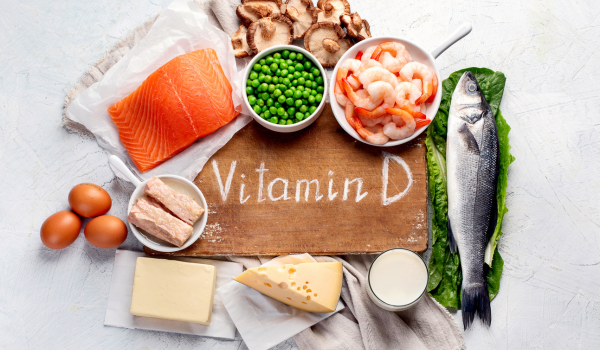
Vitamins A, D, E, and K require dietary fat for absorption.
Healthy Fats Improve Nutrient Utilization
Including healthy fats improves the bioavailability of fat-soluble nutrients.
Very Low-Fat Diets May Impair Absorption
Eliminating fat entirely can hinder nutrient uptake.
Balancing Fat Intake Is Essential
Moderate amounts of healthy fats support optimal digestion.
Protein And Its Influence On Absorption
Protein supports both digestion and nutrient transport.
Protein Supports Enzyme Production
Digestive enzymes rely on adequate protein intake.
Amino Acids Aid Nutrient Transport
Proteins help transport minerals and vitamins throughout the body.
Balanced Meals Improve Absorption
Combining protein with other nutrients enhances overall absorption efficiency.
Protein Deficiency Can Impair Nutrient Use
Low protein intake may reduce nutrient utilization.
How Fiber Affects Nutrient Absorption
Fiber has both positive and limiting effects.
Supports Digestive Health
Fiber promotes healthy digestion and gut motility.
Helps Regulate Blood Sugar Levels
Fiber slows nutrient absorption, promoting stable energy.
Excess Fiber May Reduce Absorption
Very high fiber intake may interfere with mineral absorption.
Balance Is Key
Moderate fiber intake supports optimal nutrient use.
The Impact Of Lifestyle Habits On Nutrient Absorption
Daily habits strongly influence nutrient uptake.
Stress And Digestion
Chronic stress can reduce digestive efficiency and nutrient absorption.
Sleep Quality And Nutrient Use
Poor sleep affects metabolism and nutrient utilization.
Physical Activity And Circulation
Movement improves blood flow, enhancing nutrient delivery.
Hydration And Digestive Function
Water supports digestion and nutrient transport.
Medications And Their Effect On Nutrient Absorption
Certain medications influence nutrient availability.
Medications That Reduce Stomach Acid
These can impair absorption of nutrients like vitamin B12 and iron.
Long-Term Medication Use
Extended use may increase the risk of nutrient deficiencies.
Interactions With Supplements
Some medications interfere with nutrient absorption.
Monitoring Nutrient Status
Healthcare guidance is important when taking long-term medications.
Lifestyle Habits That Support Better Absorption
Small habits can make a significant difference.
Eating Slowly And Mindfully
Mindful eating supports digestive enzyme release.
Chewing Food Thoroughly
Proper chewing aids nutrient breakdown.
Maintaining Regular Mealtimes
Consistent eating patterns support digestive efficiency.
Managing Stress Levels
Relaxation improves digestive function and absorption.
Signs You May Have Poor Nutrient Absorption
Certain symptoms may indicate absorption issues.
Persistent Fatigue
Low energy may signal nutrient deficiencies.
Digestive Discomfort
Bloating or irregular digestion can affect absorption.
Frequent Illness
Reduced immunity may reflect poor nutrient uptake.
Changes In Skin, Hair, Or Nails
Physical signs often reflect internal nutrient status.
Improving Nutrient Absorption Naturally
Small adjustments can improve nutrient utilization.
Eat A Balanced, Varied Diet
Diversity ensures broad nutrient intake.
Include Healthy Fats With Meals
This enhances absorption of fat-soluble vitamins.
Support Gut Health
Fiber-rich foods and fermented foods promote digestion.
Stay Hydrated Throughout The Day
Hydration supports digestive processes.
When Professional Guidance Is Helpful
Some situations require expert support.
Persistent Digestive Symptoms
Ongoing issues may require evaluation.
Known Nutrient Deficiencies
Testing helps identify specific needs.
Chronic Health Conditions
Certain conditions affect absorption efficiency.
Personalized Nutrition Planning
Professional guidance supports long-term health goals.
Conclusion
Nutrient absorption is influenced by far more than just food choices. Digestion, lifestyle habits, meal composition, and overall health all play vital roles in determining how well the body utilizes nutrients. By supporting digestive health, choosing balanced meals, and maintaining healthy daily habits, individuals can improve nutrient absorption and overall well-being. Understanding these connections empowers smarter choices that support long-term health and vitality.

.png)


.png)





.png)
.png)















.png)
.png)
.png)



.png)



.png)