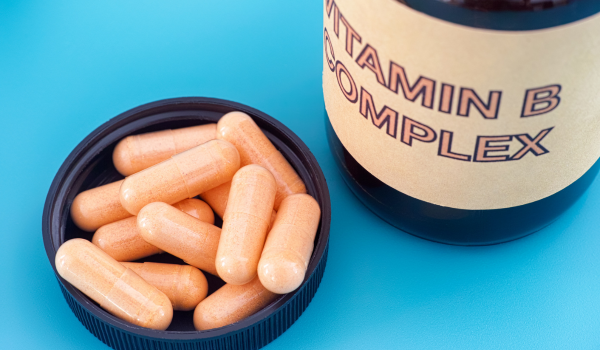
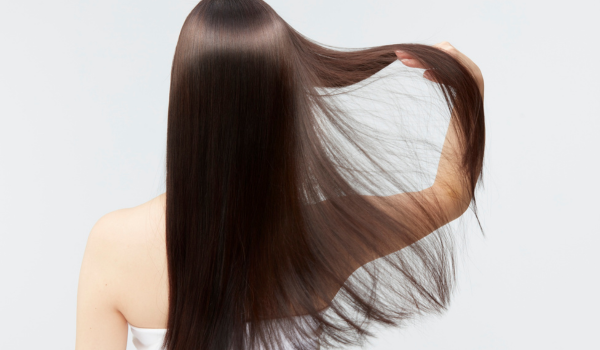
Biotin—known as vitamin B7, vitamin H, and coenzyme R—is a member of the B-complex family. Although the evidence is mixed, maintaining optimal biotin levels may help support hair strength and reduce hair loss for some individuals.
How Biotin Affects Hair Growth
Supports keratin production
Biotin plays a key role in building keratin, the structural protein that makes up hair, skin, and nails.
Linked to low biotin levels and hair loss
Research shows that biotin deficiency sometimes leads to thinning hair and increased shedding.
Limited proof for supplementation
Even though deficiency causes hair loss, there is not enough evidence showing that taking extra biotin directly increases hair growth when levels are already normal.
Effective in specific conditions
One study found biotin supplements reduced hair loss in people with low biotin levels after gastric sleeve surgery, highlighting that benefits may apply only when deficiency is present.
How Much Biotin You Need Each Day
Adequate intake varies by age
Daily biotin needs change with age and life stage. Adults need about 30 micrograms per day, and slightly more during pregnancy or breastfeeding.
Biotin-rich food sources
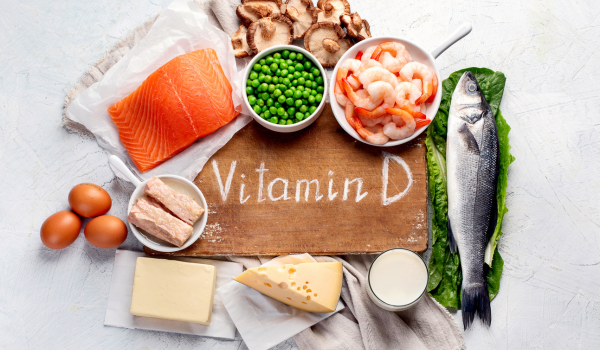
Biotin can be obtained through diet. Foods with notable amounts include beef liver, eggs, salmon, pork chops, sunflower seeds, almonds, sweet potatoes, and hamburger meat.
Signs of a Biotin Deficiency
Possible symptoms include
Brittle nails, thinning hair, rashes around the eyes or mouth, fatigue, and neurological symptoms such as depression or tingling sensations.
Deficiency is uncommon
Healthy adults usually get enough biotin from food and gut production. However, factors like alcohol use disorder, smoking, certain medications, pregnancy, and aging may increase deficiency risk.
What Are the Risks and Side Effects?
Generally safe supplementation
Biotin is water-soluble, so excess amounts are removed in urine. Side effects are uncommon even at higher doses.
Possible mild reactions
Very high doses may occasionally cause insomnia, excessive urination, or thirst.
Other Ways To Promote Hair Growth
Adopt gentler hair care habits
Avoid tight ponytails, bleaching, or chemical treatments that strain follicles.
Consider proven medications
Over-the-counter minoxidil can stimulate growth, but requires continued use to maintain results.
Try supportive treatments
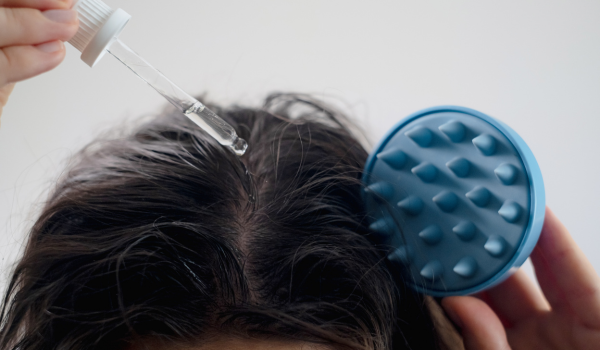
Microneedling, scalp massage, platelet-rich plasma therapy, laser devices, and corticosteroid injections may help—ideally under dermatology guidance.
Use natural remedies wisely
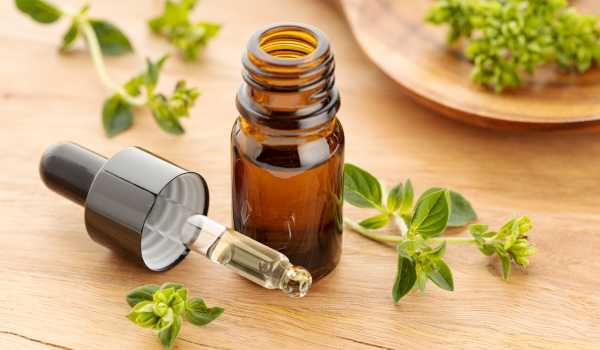
Rosemary oil may stimulate hair growth similarly to minoxidil when diluted and massaged into the scalp.
When To Seek Care
Watch for concerning symptoms
Sudden shedding, widening parts, visible bald patches, or scalp irritation should be evaluated by a dermatologist.
Get a clinical diagnosis
A dermatologist can examine the scalp, pull-test hair, and order lab testing to identify medical causes and create a personalized treatment plan.

.png)



.png)




.png)
.png)








.png)
.png)
.png)
.png)


.png)



.png)