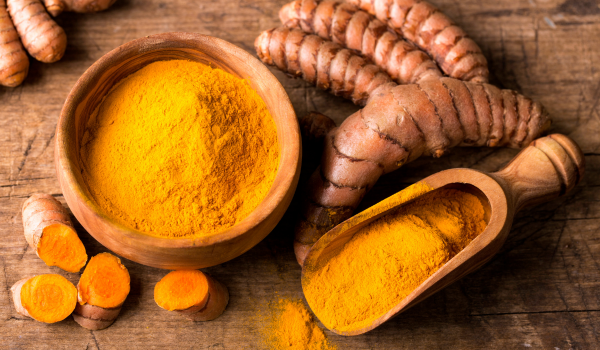
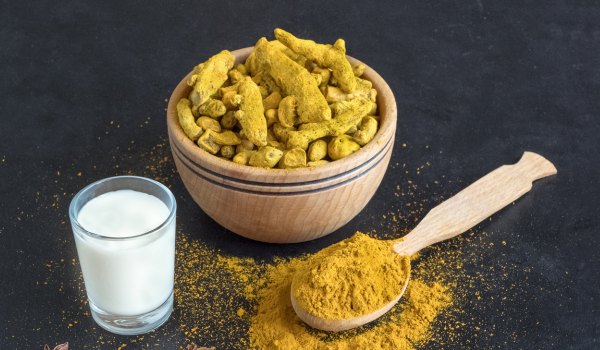
Turmeric is a golden-yellow root from the ginger family that has been used for thousands of years in traditional cooking and wellness practices. Its primary active compound, curcumin, is responsible for many of turmeric’s potential health-supporting effects, particularly its antioxidant and anti-inflammatory properties.
You Could Get An Antioxidant Boost
Curcumin acts as a powerful antioxidant that helps protect cells from damage.
free radical protection
Curcumin helps neutralize harmful free radicals that contribute to cellular aging and disease development.
supporting natural defenses
It also enhances the body’s own antioxidant systems, strengthening overall resistance to oxidative stress.
protecting fats in cells
Curcumin may help prevent lipid oxidation, a process that can damage cell membranes and impair normal cell function.
You May Experience Less Inflammation
Chronic inflammation is linked to many long-term health conditions, and curcumin may help regulate this process.
blocking inflammatory triggers
Curcumin can interfere with molecular pathways that activate inflammation.
reducing inflammatory chemicals
It may lower levels of cytokines and other compounds that promote swelling, pain, and tissue damage.
calming inflammatory enzymes
Curcumin can reduce the activity of enzymes that sustain ongoing inflammation.
Your Wounds May Heal Faster
Turmeric has long been used traditionally for skin care and wound support.
supporting tissue repair
When applied topically, curcumin may help reduce swelling and promote collagen production, which is essential for skin healing.
reducing surface inflammation
Its antioxidant and anti-inflammatory effects may help calm irritated skin and support recovery from minor injuries.
Your Joints May Feel Less Stiff And Achy
Curcumin may help improve joint comfort and mobility.
easing stiffness and swelling
It may help reduce joint inflammation that contributes to pain and reduced movement.
supporting immune balance
Curcumin can help regulate immune activity that may otherwise attack joint tissues.
potential arthritis relief
Regular intake of curcumin has been associated with improved comfort in people with inflammatory joint conditions.
Your Heart May Function More Efficiently
Turmeric may support cardiovascular health in multiple ways.
supporting blood vessel health
Curcumin may help maintain flexible, healthy blood vessels, improving circulation.
reducing oxidative stress
Lower oxidative stress can help protect heart tissue and support long-term heart function.
Your Liver May Detoxify More Effectively
The liver plays a critical role in detoxification, and curcumin may support this process.
enhancing protective enzymes
Curcumin may stimulate enzymes that help neutralize toxins and reduce oxidative damage in liver cells.
supporting repair processes
Its antioxidant properties may help the liver recover from inflammation and environmental stressors.
Your Allergy Symptoms May Become Milder
Curcumin may help regulate immune responses related to allergies.
modulating immune reactions
It may help prevent exaggerated immune responses that trigger allergy symptoms.
reducing histamine release
Curcumin can help limit histamine, a chemical involved in itching, swelling, and nasal congestion.
supporting respiratory comfort
Some evidence suggests curcumin may help ease symptoms related to asthma and seasonal allergies.
Your Blood Sugar May Be Easier To Control
Curcumin may support metabolic health.
improving insulin sensitivity
It may help cells respond more effectively to insulin, supporting stable blood sugar levels.
supporting glucose regulation
Curcuminoids may reduce blood sugar fluctuations, especially in people with insulin resistance.
You May Support Healthy Aging
Curcumin’s cellular effects may help slow age-related decline.
reducing oxidative damage
It may lower levels of reactive oxygen species that accumulate with age.
protecting DNA and cells
Curcumin may help reduce cellular damage that contributes to aging and chronic disease.
lowering chronic inflammation
Reducing long-term inflammation may help preserve tissue and organ function over time.
You May Gain Added Protection Against Cancer
Laboratory and animal studies suggest curcumin may influence cancer-related processes.
limiting abnormal cell growth
Curcumin may help regulate cell division and reduce tumor-supporting inflammation.
reducing blood supply to tumors
It may interfere with processes that allow tumors to form new blood vessels.
strengthening cellular defenses
Curcumin may help healthy cells resist oxidative and inflammatory damage.
Your Esophagus May Be Better Protected From Reflux
Curcumin may help reduce irritation linked to acid reflux.
reducing inflammation from reflux
It may help calm inflammation caused by stomach acid exposure.
protecting tissue integrity
Curcumin’s antioxidant properties may help protect esophageal tissue from damage.
Your Mood May Improve Naturally
Curcumin may support mental well-being.
supporting neurotransmitters
It may help regulate serotonin and dopamine, which play key roles in mood balance.
reducing inflammation in the brain
Lower neuroinflammation may contribute to improved emotional stability and resilience.
How To Safely Add Turmeric To Your Diet
Turmeric is best used as part of a balanced diet rather than in excessive supplemental doses.
using turmeric in foods
Turmeric pairs well with savory dishes such as curries, soups, stews, rice, and roasted vegetables.
enhancing absorption
Combining turmeric with black pepper and healthy fats may improve curcumin absorption.
using supplements cautiously
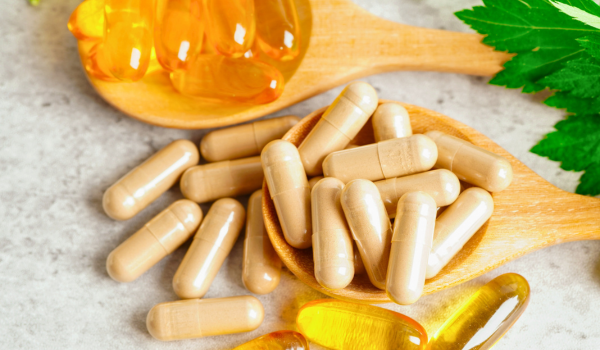
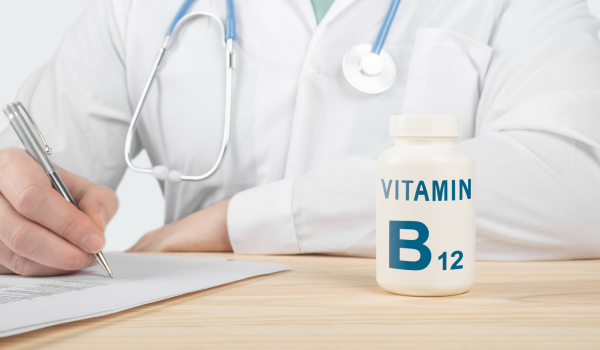
Concentrated curcumin supplements should be used carefully, especially by people taking medications or managing chronic conditions.
.png)

.png)




.png)

.png)



.png)
.png)
.png)
.png)
.png)
.png)