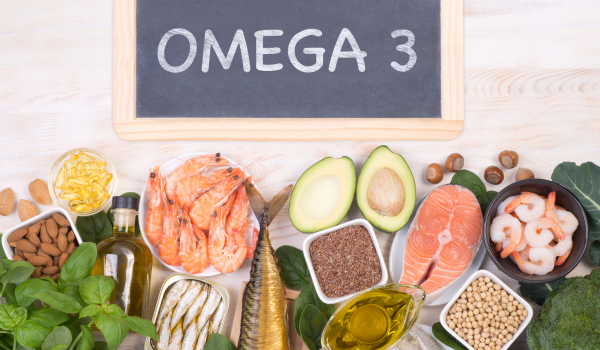
Taking omega-3 supplements with food—especially meals that contain healthy fats—can improve absorption and reduce digestive side effects like nausea, heartburn, or diarrhea. Because omega-3 fatty acids are fat-soluble, they’re better absorbed when bile and digestive enzymes are released during fat digestion.
Here are six smart food pairings to help you get the most from your omega-3 supplement.
1. Avocado
Avocados are naturally rich in heart-healthy monounsaturated fats. A small serving (about 50 grams) provides roughly 7 grams of fat, most of which comes from beneficial unsaturated fats.
These fats not only support healthy cholesterol levels but also enhance omega-3 absorption. You can:
-
Spread avocado on whole-grain toast
-
Add slices to salads or grain bowls
-
Blend it into smoothies
Taking your omega-3 supplement alongside a meal that includes avocado may help your body absorb more of the fatty acids.
How Fat Improves Omega-3 Absorption
When you eat dietary fat, your body releases bile acids and digestive enzymes. These substances break down fats into smaller components, making them easier to absorb in the small intestine.
Because omega-3s are fatty acids, they rely on this same process. Taking them with a low-fat meal—or on an empty stomach—may reduce absorption efficiency and increase the chance of digestive discomfort.
2. Olive Oil
Olive oil is another excellent fat source. One tablespoon contains about 14 grams of fat, primarily monounsaturated fats.
Olive oil and omega-3s both support cardiovascular health. Some research suggests that combining them may improve cholesterol levels and reduce oxidative stress more effectively than using either one alone.
You can:
-
Drizzle olive oil over vegetables
-
Dip whole-grain bread in olive oil
-
Add it to salads or cooked grains
For best results, use olive oil at low to medium heat rather than high-temperature frying.
3. Walnuts
Walnuts are rich in healthy fats, providing about 18 grams per ounce (approximately 14 halves). They also contain alpha-linolenic acid (ALA), a plant-based omega-3 fatty acid.
Although the body converts ALA into EPA and DHA at limited rates, plant-based omega-3 sources still contribute to overall omega-3 status.
Pair walnuts with your supplement by:
-
Adding them to oatmeal
-
Mixing into yogurt
-
Sprinkling over salads
-
Including them in trail mix
This combination provides multiple types of beneficial fats in one meal or snack.
4. Almond Butter
Nut butters like almond butter are convenient and rich in unsaturated fats. One tablespoon provides around 9 grams of fat.
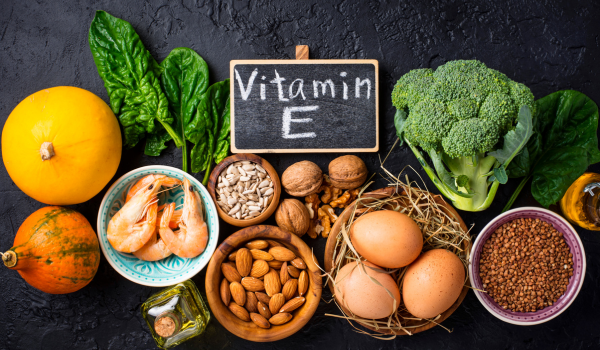
Almond butter is also a source of vitamin E, an antioxidant that helps protect cells from oxidative damage. Omega-3s also reduce inflammation and support cell health, making this pairing complementary.
Try almond butter:
-
Spread on apple slices
-
Mixed into smoothies
-
Spread on whole-grain toast
Taking your supplement after this type of snack may improve comfort and absorption.
5. Whole-Fat Yogurt
Whole-milk Greek yogurt contains about 8 grams of fat per cup, along with protein, calcium, and other essential nutrients.
The fat content helps enhance omega-3 absorption, while the protein and probiotics support muscle and digestive health.
You can pair yogurt with:
-
Oats
-
Fruit and nuts
-
Smoothies
-
Seeds like chia or flax
This makes it a practical breakfast or snack option before or alongside your supplement.
6. Eggs
Eggs are a versatile breakfast staple and provide around 4–5 grams of fat per large egg.
Taking omega-3 supplements after an egg-based meal can help support better absorption. Eggs also provide high-quality protein and essential nutrients like choline and B vitamins.
Try pairing your supplement with:
-
Scrambled eggs
-
Omelets with vegetables
-
Eggs on whole-grain toast
Taking Omega-3s on an Empty Stomach
While it’s possible to take omega-3 supplements without food, doing so may increase the likelihood of side effects such as:
-
Nausea
-
Acid reflux
-
Loose stools
Taking omega-3s with meals—particularly those containing healthy fats—can reduce these issues and improve effectiveness.
Choosing Omega-3 Supplements for Maximum Absorption
Not all omega-3 supplements are created equal. Here are a few key factors to consider:
Form: Omega-3s come in different chemical forms, including triglycerides, ethyl esters, free fatty acids, and phospholipids. Free fatty acids and phospholipids tend to be absorbed most efficiently. Ethyl esters are common and should always be taken with fat-containing meals.
EPA and DHA Content: Check the label for the actual amounts of EPA and DHA, the two omega-3 fatty acids most associated with health benefits.
Added Antioxidants: Some products include vitamin E to prevent oxidation. Proper storage—away from heat and light—also helps maintain freshness.
Expiration Date: Choose recently manufactured products with a longer shelf life to reduce the risk of rancidity.
Third-Party Testing: Since supplements are not tightly regulated, look for certifications from reputable testing organizations to verify purity and potency.


.png)



.png)

.png)













.png)
.png)
.png)
.png)


.png)



.png)