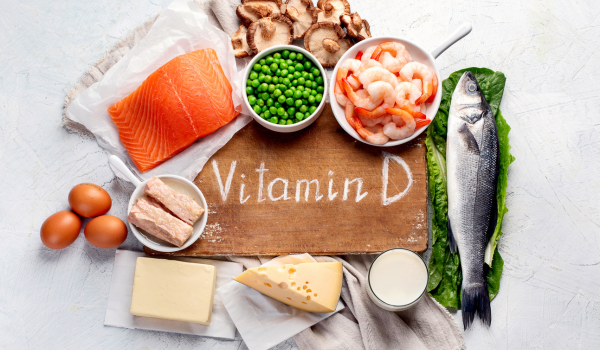
Vitamin D deficiency affects millions of adults, and many people do not meet their daily needs. This nutrient helps support immunity, muscle function, healthy nerves, and strong bones. While supplements can be helpful, certain foods combined with daily sun exposure can boost vitamin D more naturally. Adults typically need 600 IU of vitamin D daily, increasing to 800 IU after age 71.
Fatty Fish
Provides the richest natural vitamin D3 source
Fish such as salmon, sardines, trout, and mackerel contain high levels of vitamin D3, the form your body absorbs best. A 3-ounce serving of rainbow trout delivers around 645 IU, while salmon contains about 570 IU.
Easy to add into meals
Fresh or canned tuna and salmon work well in salads, sandwiches, or patties, making them convenient and budget-friendly options.
Egg Yolks
Contains vitamin D3 from natural sources
Each large egg offers about 44 IU of vitamin D3. While the amount is lower than fish, eggs still support your daily intake.
Versatile ways to enjoy them
Use egg yolks in deviled eggs, omelets, rice dishes, or baked goods. Substituting mayo with low-fat Greek yogurt can boost protein without changing flavor.
UV-Exposed Mushrooms
Plant-based vitamin D source
White, shiitake, oyster, and button mushrooms exposed to UV light provide vitamin D2, offering about 366 IU per half cup.
Absorbs vitamin D better with fat
Cooking mushrooms with oils or pairing them with nuts or avocado helps your body absorb more vitamin D since it is fat-soluble.
Fortified Dairy Products and Plant Milks
Offer vitamin D through fortification
Cow’s milk, yogurt, and cheese are commonly fortified with vitamin D3, while plant milks like soy, almond, and oat milk usually contain vitamin D2.
Simple everyday intake
One cup of fortified dairy contains roughly 120 IU, with plant-based versions providing 100–144 IU, depending on the brand.
Fortified Cereals
An easy boost to breakfast
Many boxed cereals provide around 80 IU of vitamin D per serving. While they shouldn’t be your only source, they help increase intake—especially for children or picky eaters.
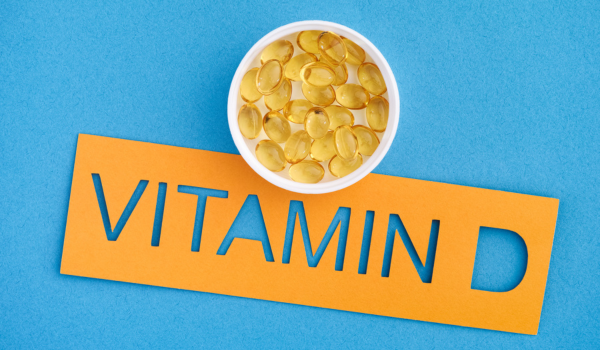
When You Might Need a Vitamin D Supplement
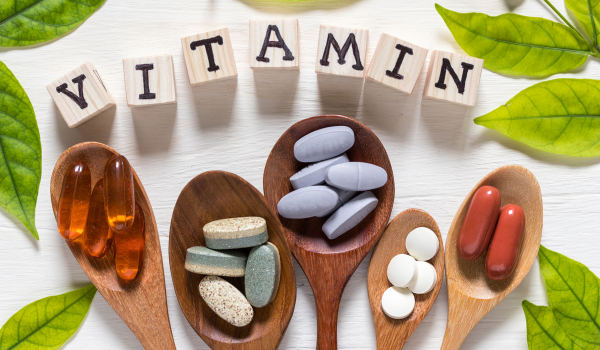
Supplements may be helpful for some groups
Those with limited sunlight exposure, darker skin pigmentation, indoor lifestyles, or vegetarian diets may struggle to meet vitamin D needs from food alone.
Know the risk factors for deficiency
People with low vitamin D often show no symptoms, but possible signs include fatigue, muscle weakness, and bone pain. A blood test can confirm your level.
Consult your healthcare provider first
Because vitamin D interacts with certain medications or medical conditions, it is best to speak with a doctor before adding supplements.

.png)


.png)



.png)
.png)










.png)
.png)
.png)
.png)
.png)


.png)