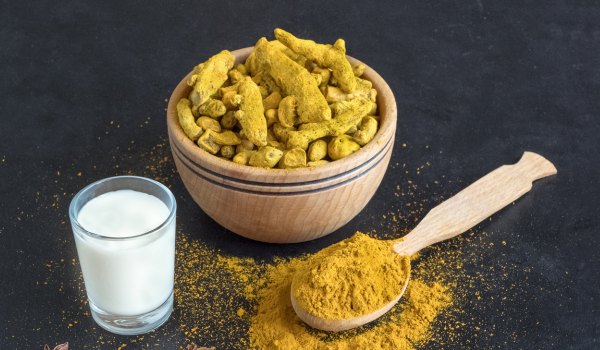
Gut health plays a critical role in digestion, immunity, and overall well-being. Two supplements commonly associated with digestive and immune support are probiotics and turmeric. When used together, they may offer complementary benefits by supporting gut bacteria balance while helping control inflammation within the digestive tract.
Potential Benefits Of Taking Turmeric And Probiotics Together
Your gastrointestinal system is home to trillions of microorganisms that influence digestion, immune function, and metabolic health. Probiotics and turmeric may work through different but supportive mechanisms.
Supporting gut bacteria balance
Probiotics help replenish beneficial bacteria in the gut, which may improve bowel regularity, reduce bloating, and ease digestive discomfort.
Reducing digestive inflammation
Turmeric contains curcumin, a compound known for its anti-inflammatory properties, which may help calm irritation within the gastrointestinal lining.
Improving indigestion symptoms
Turmeric may help relieve symptoms such as stomach discomfort, fullness, and heartburn, while probiotics support smoother digestion through microbial balance.
Supporting immune and mental health
A healthy gut microbiome plays a role in immune defense and mental well-being, and both probiotics and turmeric may indirectly support these systems.
How Probiotics And Turmeric Work Together
While probiotics primarily influence gut health through microbial balance, turmeric works at a cellular level by moderating inflammation and oxidative stress.
Complementary mechanisms
Probiotics improve digestion by enhancing beneficial bacteria, while turmeric may reduce inflammation that disrupts normal gut function.
Potential synergy
Using both together may be helpful for people experiencing bloating, indigestion, or mild gastrointestinal discomfort related to inflammation.
No immediate effects
Neither supplement provides instant relief. Consistent use over time is typically required to experience noticeable benefits.
How To Take Probiotics And Turmeric Together
There are multiple ways to incorporate both supplements into your routine.
Sources of probiotics
Probiotics are found in fermented foods such as yogurt, kefir, sauerkraut, kimchi, kombucha, and certain cheeses. Supplements are available in capsules, powders, and liquids.
Common probiotic strains
Popular strains include Lactobacillus, Bifidobacterium, and Saccharomyces, each offering different digestive and immune benefits.
Understanding dosage
Probiotics are measured in colony-forming units (CFU). Many supplements contain between 1 and 50 billion CFU per serving.
Using turmeric
Turmeric can be consumed as a spice, tea, or supplement in capsule or powder form. Taking it with food—especially with healthy fats—may improve absorption.
Combining both safely
It is generally safe to take probiotics and turmeric together. Some supplements include both ingredients in a single formula, or turmeric can be added to probiotic-rich foods like yogurt.
Safety And Important Considerations
Although both supplements are widely used, certain precautions apply.
Medication interactions with probiotics
Probiotics may affect how some medications work, including blood thinners, cancer therapies, and cardiovascular drugs.
Antibiotic timing
There is mixed guidance on taking probiotics alongside antibiotics. Some experts recommend spacing doses apart.
Pregnancy considerations
Probiotics are generally considered safe during pregnancy, but turmeric supplements should be avoided unless advised by a healthcare professional.
Medications That May Interact With Turmeric
Turmeric may interact with certain medications and supplements.
Blood-thinning medications
Turmeric may increase bleeding risk when combined with anticoagulants or antiplatelet drugs.
Blood sugar-lowering medications
Turmeric may lower blood sugar, increasing the risk of hypoglycemia when combined with diabetes medications.
Liver-impacting medications
Combining turmeric with medications that affect liver function may increase the risk of liver-related side effects.
Cancer treatments
The antioxidant properties of turmeric may interfere with some chemotherapy drugs.
Possible Side Effects
Most people tolerate probiotics and turmeric well, but side effects can occur.
Probiotic-related effects
Possible effects include gas, bloating, stomach discomfort, diarrhea, constipation, or infection risk in immunocompromised individuals.
Turmeric-related effects
Possible side effects include nausea, bloating, indigestion, diarrhea, constipation, and rare liver-related issues at higher doses.
Adjusting intake
Separating the timing of probiotics and turmeric may help reduce digestive discomfort.
The Bottom Line
Probiotics and turmeric support gut health through different but complementary pathways. When taken together, they may help improve digestion, reduce bloating, and support a healthier gastrointestinal environment.
Consult a healthcare professional before starting any supplement routine, especially if you take medications or manage a chronic condition.

.png)



.png)





.png)


.png)


















.png)
.png)
.png)
.png)

.png)



.png)