Antioxidants are natural compounds found in fruits, vegetables, nuts, seeds, and whole grains. They help protect your cells from oxidative stress caused by unstable molecules called free radicals. While getting antioxidants regularly is most important, some evidence suggests that timing and food pairing may influence how well your body uses them.
When Should You Take Antioxidants?
Research on exact timing is still developing, but current evidence suggests antioxidants may work best when consumed with meals.
Digestion temporarily increases free radical production as your body breaks down food. Eating antioxidant-rich foods during or shortly before meals may help counteract this rise in oxidative stress. Meals high in saturated fat and refined carbohydrates may produce more free radicals, which makes including antioxidants with heavier meals especially helpful.
Some studies indicate that antioxidant supplements taken with high-fat or high-calorie meals may reduce post-meal markers of oxidative stress. This may be because many antioxidant compounds remain in the bloodstream for a relatively short period, so aligning intake with meals may improve their effectiveness.
Morning Or Night: Does Timing Matter?
There is no strict rule that antioxidants must be taken in the morning or at night. However, emerging research suggests that consuming antioxidants later in the day—especially at dinner—may provide additional benefits.
One large observational study found that higher total antioxidant intake was associated with a lower risk of overall mortality, with the strongest link observed when antioxidants were consumed at dinner. Dinner is often the largest meal of the day, which may increase oxidative stress after eating. Including antioxidant-rich foods at this time may help reduce inflammation and support recovery overnight.
That said, antioxidants consumed earlier in the day still contribute to overall protection. Consistency across all meals remains more important than focusing on a single time window.
Does Taking Antioxidants With Food Matter?
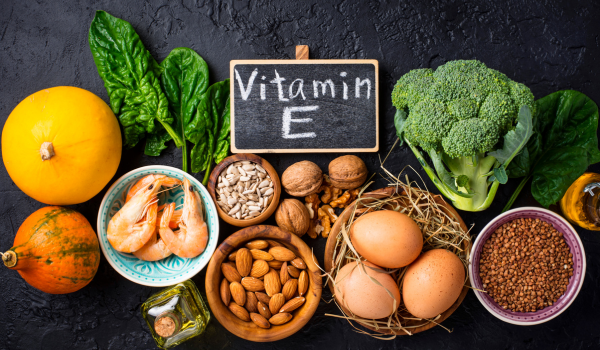
Yes, especially for fat-soluble antioxidants. Nutrients like vitamin E and carotenoids (such as beta-carotene and lycopene) are absorbed more effectively when consumed with dietary fat.
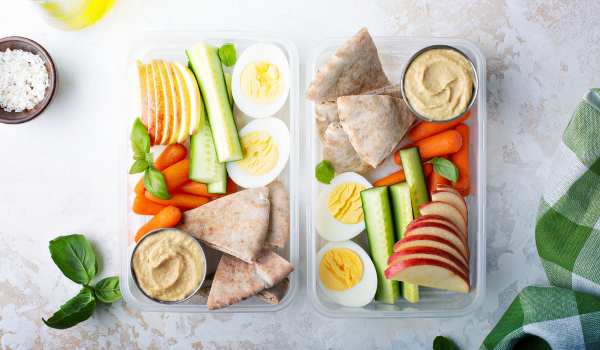
Pairing antioxidant-rich foods with healthy fats—like olive oil, avocado, nuts, or seeds—can improve absorption. For example:
-
Add olive oil to roasted vegetables
-
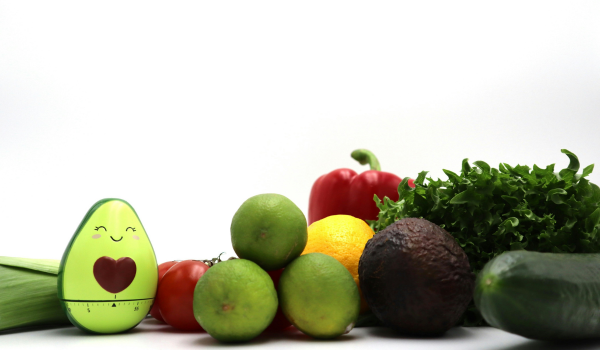
Pair tomatoes with avocado
-
Include nuts in salads or fruit bowls
If you use antioxidant supplements, taking them with a meal may also reduce the risk of stomach discomfort.
Potential Downsides of Antioxidant Supplements
Antioxidants from whole foods are generally safe and beneficial. However, high-dose antioxidant supplements may not be appropriate for everyone.
Possible concerns include:
-
Interference with exercise adaptation: Very high doses taken long-term may blunt some of the body’s natural training adaptations, including improvements in endurance and muscle growth.
-
Increased health risks in certain groups: High-dose beta-carotene supplements have been associated with increased lung cancer risk in smokers. Large amounts of vitamin E may increase bleeding risk, especially for people taking blood thinners.
-
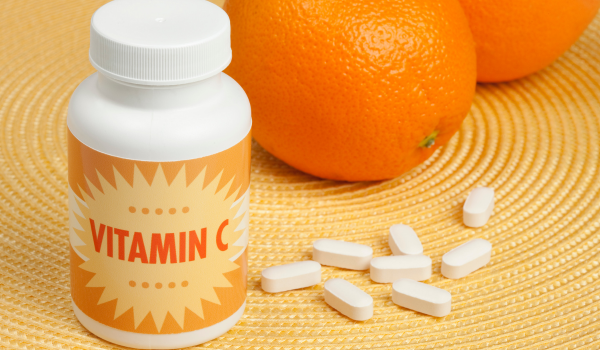
Digestive discomfort: High doses of vitamin C may cause diarrhea, nausea, or stomach cramps.
-
Interaction with cancer treatments: Some antioxidant supplements may interfere with chemotherapy or radiation therapy.
If you are pregnant, have a medical condition, or take prescription medications, speak with a healthcare provider before starting supplements.
Tips To Maximize Antioxidant Benefits
To get the most out of antioxidants, consider the following strategies:
-
Focus on whole foods like berries, leafy greens, beans, nuts, and whole grains
-
Include at least one fruit or vegetable at every meal
-
Pair antioxidant-rich foods with healthy fats
-
Take supplements with meals if needed
-
Choose third-party tested products when buying supplements
-
Prioritize regular intake rather than obsessing over exact timing
The bottom line: Antioxidants work best as part of a consistent, balanced diet. Timing may offer modest additional benefits—especially when paired with meals—but overall dietary patterns matter far more than the clock.

.png)

.png)
.png)

.png)
.png)
.png)
.png)
.png)
.png)