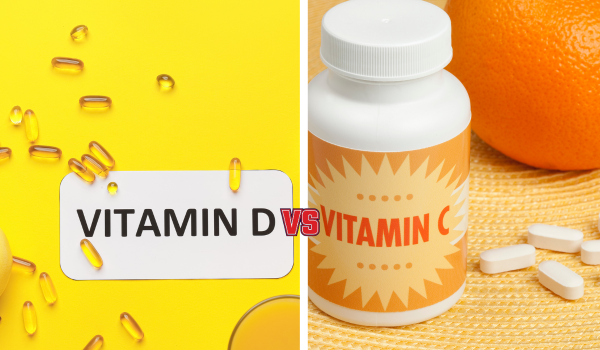
Colds and flu season always spark a debate about whether vitamin C or vitamin D is more protective. The answer is not black and white. Both nutrients support immunity in different ways, and neither is automatically superior. Instead of choosing one over the other, maintaining healthy levels of both offers the best defense.
Vitamin C Helps the Immune System Function
Supports innate and adaptive immunity
Vitamin C plays a key role in both types of immune defenses: the innate system (your first-line protection) and the adaptive system (immune responses you develop over time). It keeps immune cells functioning effectively and helps your body fight infections.
Acts as an antioxidant
Vitamin C protects cells from oxidative stress caused by free radicals. Over time, oxidative damage is linked to chronic illnesses such as cancer, heart disease, and inflammation.
Does not prevent common colds in healthy adults
Research shows that taking vitamin C regularly does not stop most adults from catching colds. However, when taken within about 24 hours of symptoms starting, it may modestly shorten how long symptoms last.
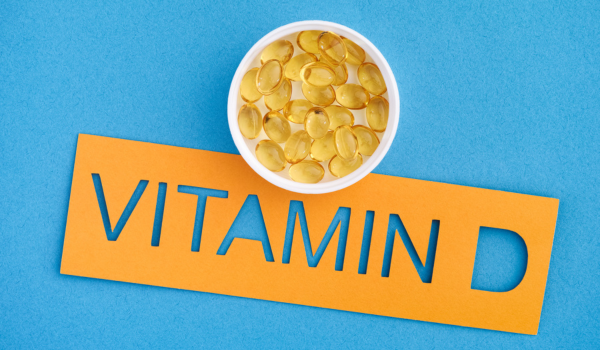
Vitamin D Regulates the Immune System
Helps control immune response and inflammation
Unlike vitamin C, which assists immune function directly, vitamin D helps regulate the immune system. It prevents excessive inflammation and ensures immune cells behave appropriately.
Low vitamin D levels increase infection risk
People deficient in vitamin D appear more likely to catch infections. This has led scientists to study supplementation, particularly for those with low baseline levels.
Supplements show mixed results
Individual studies suggest that correcting deficiency may reduce infections. However, when researchers pool results from dozens of studies, vitamin D often performs no better than a placebo for preventing respiratory illnesses.
So, Which Vitamin Is Better for Immune Health?
Neither vitamin is universally more important
Vitamin C and vitamin D work differently but are equally necessary. One supports active immune cell function; the other helps regulate inflammation and prevent immune overreactions.
Avoiding deficiency matters most
Vitamin D deficiency is far more common—affecting roughly one in four Americans—especially among older adults and people of color. Meanwhile, only about 7% of adults lack adequate vitamin C. Ensuring sufficient levels of both helps the immune system function properly.
How to Get Enough Vitamin C and Vitamin D
Vitamin C from whole foods is easy to obtain
Fruits and vegetables such as citrus, bell peppers, broccoli, tomatoes, and kiwi provide ample vitamin C. Meeting the daily requirement (75–90 mg) is simple with a balanced diet that includes fruit and vegetables at most meals.
Vitamin D is harder to get through diet alone
Very few foods naturally contain vitamin D. Fatty fish, eggs, mushrooms, and beef liver offer small amounts, and many dairy and plant-based milks are fortified. Sun exposure also triggers vitamin D production in the skin.
Supplements are not always necessary
For those without diagnosed deficiency, major health organizations do not recommend vitamin D supplements solely to prevent illness. Evidence is insufficient to support routine supplementation in the general population.
When to Talk to a Doctor or Dietitian
Know who may benefit from testing or supplements
People with darker skin, limited sun exposure, chronic illness, or older age may have a higher deficiency risk. Testing blood levels can determine whether a supplement is appropriate.
Avoid megadosing vitamins
Taking extremely high doses of either nutrient can cause harm. Large amounts of vitamin C may irritate digestion or raise kidney stone risk. Excess vitamin D can lead to toxic levels, causing weakness, nausea, or kidney problems.
Balance—not excess—is best
Aim to meet your needs through food first, supplement only when medically advised, and avoid assuming more is better. Vitamins support immune health but cannot guarantee illness prevention.

.png)



.png)





.png)
.png)














.png)
.png)
.png)
.png)


.png)




.png)