Safflower (Carthamus tinctorius) is a thistle-like plant traditionally used for cooking oil and herbal remedies. Its seeds are pressed to produce safflower oil, while the flowers are sometimes used in teas and traditional medicine.
Modern research suggests safflower may support cholesterol management, heart health, blood circulation, and blood sugar control. However, much of the available evidence is limited or based on animal studies, so more high-quality human research is needed.
May Help Lower Cholesterol
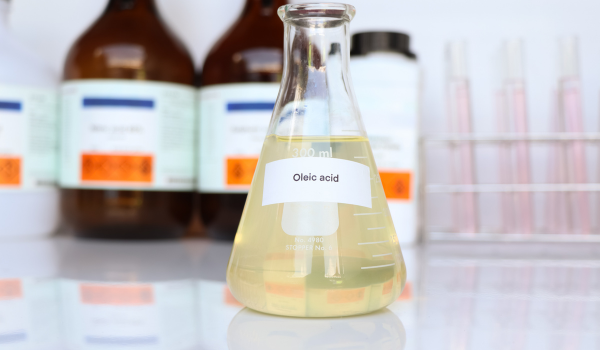
High-oleic safflower oil is rich in monounsaturated fatty acids, particularly oleic acid, an omega-9 fat. Replacing saturated fats—such as palm oil or butter—with oils high in monounsaturated fats may help reduce low-density lipoprotein (LDL) cholesterol levels.
Elevated LDL cholesterol contributes to atherosclerosis, a condition in which plaque builds up inside arteries. This increases the risk of heart disease and stroke.
Choosing high-oleic safflower oil instead of oils high in saturated fat may:
-
Lower LDL cholesterol
-
Improve overall lipid balance
-
Support long-term cardiovascular health
It is important to select the high-oleic version, as this variety contains greater amounts of heart-supportive monounsaturated fat.
May Support Heart Health
Safflower contains bioactive compounds such as safflower yellow A, a flavonoid with antioxidant and anti-inflammatory properties.
Some research suggests safflower yellow A may help reduce complications following heart injury, particularly those linked to elevated angiotensin II, a hormone that constricts blood vessels. By influencing vascular function and inflammation, safflower compounds may provide protective cardiovascular effects.
However, current evidence is not strong enough to recommend safflower as a primary treatment for heart disease.
May Improve Blood Circulation
In traditional Chinese medicine, safflower has long been used to promote blood flow. Emerging research supports some of these traditional uses.
Studies suggest safflower may:
-
Reduce hypertension
-
Promote vasodilation (widening of blood vessels)
-
Improve overall circulation
Hydroxysafflor yellow A, one of safflower’s active compounds, has shown potential in supporting neurological recovery after acute ischemic stroke. This type of stroke occurs when blood flow to the brain is reduced, leading to cell damage.
While early findings are promising, larger randomized human trials are necessary before safflower can be considered a reliable stroke therapy.
May Support Blood Sugar Control
Some research indicates safflower may assist with blood sugar regulation.
Compounds such as carthamin and hydroxysafflor yellow A may reduce oxidative stress and inflammation—two factors linked to insulin resistance and diabetes.
Preliminary studies suggest safflower extracts or injections may improve vascular function and blood sugar management in people with diabetes. However, more human-based research is needed to confirm these effects and establish safe dosing guidelines.
How To Use Safflower
Safflower plants resemble thistles and produce bright yellow, orange, or red flowers. The seeds are commonly used to produce safflower oil.
Safflower Oil
There are two main types of safflower oil:
-
High-oleic safflower oil: Best for cooking at moderate heat. Rich in monounsaturated fats.
-
Polyunsaturated safflower oil: Better suited for cold uses like salad dressings. Not ideal for high heat.
Polyunsaturated oils are more prone to oxidation when heated. Oxidized oils may contribute to oxidative stress, which is associated with cardiovascular disease and other chronic conditions.
Herbal Uses
Safflower flowers are sometimes brewed into tea. Traditional Persian medicine describes both seeds and flowers as having mild laxative effects.
In hospital settings, safflower oil may be used in total parenteral nutrition (TPN) formulas to provide intravenous dietary fat when oral feeding is not possible.
Injectable forms of safflower are also used in traditional Chinese medicine to promote circulation.
Dosage
There is no standardized dosage for safflower in Western medicine.
Dietary guidelines recommend that 25–30% of total daily calories come from fat. Unsaturated fats, such as those found in safflower oil, are preferred over saturated fats.
In traditional Iranian medicine, suggested amounts include:
-
20–40 grams per day for safflower seeds
-
3 grams per day for the flower
However, there is insufficient clinical research to confirm safe upper limits in modern medical practice.
Is Safflower Safe?
Safflower seed oil is generally considered safe when used as a cooking oil in moderation.
Pregnancy And Breastfeeding
Animal studies suggest safflower flower extracts may not be safe during pregnancy, as they have shown potential embryo-related effects in research models. Human research is limited.
Using safflower oil in moderate dietary amounts during pregnancy or breastfeeding is likely safe, but herbal or concentrated forms should be used cautiously.
Bleeding Risk
Safflower may slow blood clotting. Individuals with bleeding disorders or those scheduled for surgery should use caution.
Allergies
Safflower belongs to the Asteraceae/Compositae plant family. People allergic to ragweed, daisies, marigolds, or related plants may also react to safflower.
Symptoms may include:
-
Sneezing
-
Runny nose
-
Itchy throat
-
Irritated eyes
Potential Drug Interactions
Safflower may interact with certain medications.
Anticoagulants
Because safflower may reduce blood clotting, combining it with anticoagulants such as warfarin (Coumadin) could increase bleeding risk.
Antidiabetic Medications
Safflower may improve blood sugar control, which could increase the risk of hypoglycemia if taken alongside diabetes medications.
Common medications that may interact include:
-
Warfarin
-
Insulin
-
Metformin
-
Sulfonylureas
Consult a healthcare provider before using concentrated safflower products if you take these medications.
Can You Consume Too Much?
Like all fats, safflower oil is calorie-dense. Excess consumption may contribute to weight gain if total calorie intake exceeds energy needs.
Fat intake should remain balanced within overall dietary recommendations.
Although rare, very high intake of safflower oil has been associated with liver complications in isolated case reports. The exact dose and duration were not clearly documented.
A Quick Review
Safflower is a plant traditionally used for cooking oil and herbal remedies. High-oleic safflower oil may help lower LDL cholesterol and support heart health when used in place of saturated fats. Compounds in safflower may also improve circulation and assist with blood sugar regulation.
While safflower oil is generally safe in moderate dietary amounts, concentrated or herbal forms require caution, especially during pregnancy or when taking blood thinners or diabetes medications. More human research is needed to confirm many of its proposed health benefits.


.png)



.png)
.png)



.png)
.png)
.png)
.png)
.png)
.png)