.png)
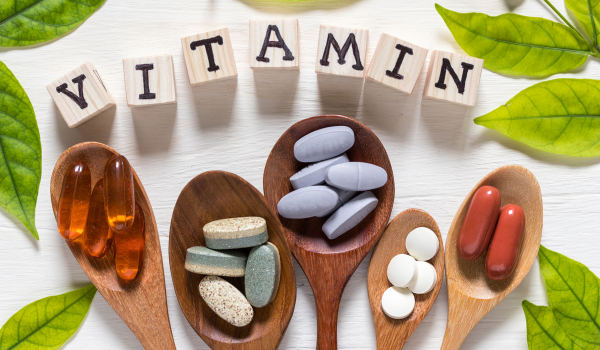
Vitamins and minerals are essential nutrients that support nearly every function in the human body, from energy production and immune defense to bone strength and cognitive performance. While supplements are widely available, the most effective and natural way to meet nutritional needs is through whole foods. Natural food sources provide vitamins and minerals in forms the body recognizes and absorbs efficiently, along with additional compounds that support overall health. Understanding where to find these nutrients in everyday foods can help build a balanced and nourishing diet.
Why Vitamins And Minerals Matter For Overall Health
Vitamins and minerals are micronutrients, meaning the body needs them in small amounts, yet their impact is significant.
Supporting Cellular Function
These nutrients help regulate cellular processes, allowing the body to grow, repair, and maintain itself properly.
Maintaining Energy And Metabolism
Many vitamins and minerals are essential for converting food into usable energy.
Supporting Immune Health
A strong immune system relies on adequate levels of key nutrients.
Promoting Long-Term Wellness
Consistent intake of essential micronutrients supports long-term health and disease prevention.
Vitamins And Minerals Work Best Together
Nutrients often work in synergy rather than isolation.
Nutrient Interactions Enhance Absorption
Certain vitamins and minerals improve the absorption of others when consumed together.
Whole Foods Provide Natural Balance
Whole foods contain naturally balanced nutrient combinations.
Single-Nutrient Deficiencies Affect Overall Health
Lacking even one key nutrient can impact multiple bodily systems.
Balanced Intake Supports Optimal Function
A varied diet helps maintain nutritional harmony.
Vitamin A: Supporting Vision And Immune Health
Vitamin A is essential for eye health and immune function.
Functions Of Vitamin A
It supports vision, immune response, and skin health.
Natural Food Sources
Carrots, sweet potatoes, spinach, kale, and liver provide vitamin A or its precursors.
Benefits Of Food-Based Vitamin A
Plant-based sources provide beta-carotene, which the body converts safely into vitamin A.
Balanced Intake Matters
Excessive intake from supplements may be harmful, while food sources are generally safe.
B Vitamins: Supporting Energy And Brain Function
B vitamins play a vital role in energy metabolism.
Key Roles Of B Vitamins
They help convert food into energy and support nervous system function.
Common B Vitamin Sources
Whole grains, eggs, dairy, legumes, leafy greens, and meats are rich in B vitamins.
Benefits For Mental Clarity
Adequate intake supports focus, memory, and mood regulation.
Importance Of Variety
Different B vitamins come from different foods, making dietary variety essential.
Vitamin C: Immune Support And Antioxidant Protection
Vitamin C plays a key role in immune health and tissue repair.
Immune System Support
Vitamin C supports immune cell function and recovery.
Antioxidant Properties
It helps protect cells from oxidative stress.
Food Sources Rich In Vitamin C
Citrus fruits, strawberries, bell peppers, broccoli, and kiwi are excellent sources.
Better Absorption From Food
Natural food sources provide vitamin C alongside beneficial plant compounds.
Vitamin D: Bone Health And Immune Function
Vitamin D supports several critical body systems.
Role In Bone Strength
Vitamin D helps regulate calcium absorption for strong bones.
Immune System Support
It plays a role in immune defense and inflammation regulation.
Food Sources Of Vitamin D
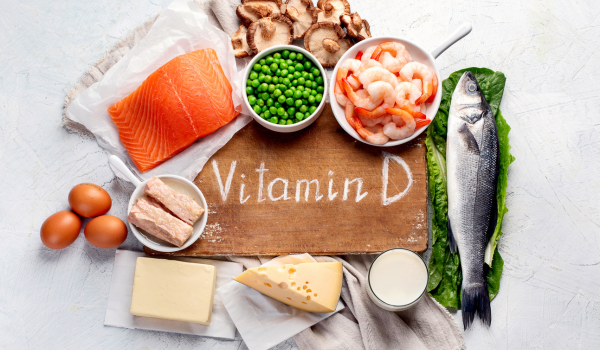
Fatty fish, fortified dairy products, and egg yolks provide vitamin D.
Sunlight As A Natural Source
Sun exposure allows the body to produce vitamin D naturally.
Vitamin E: Cellular Protection And Skin Health
Vitamin E acts as an antioxidant.
Protecting Cells From Damage
It helps protect cell membranes from oxidative stress.
Supporting Skin And Immune Health
Vitamin E contributes to healthy skin and immune responses.
Food Sources Of Vitamin E
Nuts, seeds, spinach, and vegetable oils are rich sources.
Balanced Intake Is Key
Food sources provide safe and effective vitamin E levels.
Vitamin K: Supporting Blood And Bone Health
Vitamin K plays an essential role in blood clotting and bone metabolism.
Functions Of Vitamin K
It supports normal blood clotting and bone mineralization.
Food Sources Of Vitamin K
Leafy greens such as kale, spinach, and broccoli are excellent sources.
Synergy With Other Nutrients
Vitamin K works alongside calcium and vitamin D for bone health.
Importance Of Consistent Intake
Regular consumption supports stable physiological function.
Calcium: Building Strong Bones And Teeth
Calcium is crucial for structural health.
Role In Bone Density
Calcium supports strong bones and teeth throughout life.
Muscle And Nerve Function
It plays a role in muscle contraction and nerve signaling.
Food Sources Of Calcium
Dairy products, fortified plant milks, leafy greens, and tofu provide calcium.
Absorption Depends On Vitamin D
Adequate vitamin D helps improve calcium absorption.
Iron: Supporting Oxygen Transport
Iron is essential for energy and endurance.
Function In The Body
Iron helps transport oxygen through red blood cells.
Sources Of Iron
Red meat, poultry, legumes, spinach, and fortified grains contain iron.
Enhancing Absorption
Vitamin C improves iron absorption from plant sources.
Balancing Iron Intake
Both deficiency and excess can cause health issues.
Magnesium: Supporting Muscles And Nerves
Magnesium is involved in hundreds of biochemical reactions.
Role In Muscle Function
Magnesium helps regulate muscle contraction and relaxation.
Support For Sleep And Relaxation
It plays a role in calming the nervous system.
Food Sources Of Magnesium
Whole grains, nuts, seeds, and leafy greens provide magnesium.
Maintaining Balanced Levels
Regular intake supports overall metabolic health.
Zinc: Immune And Cellular Support
Zinc supports immune defense and healing.
Functions Of Zinc
It contributes to wound healing, immune response, and cell growth.
Dietary Sources
Meat, shellfish, legumes, seeds, and nuts contain zinc.
Importance Of Adequate Intake
Low zinc levels may affect immunity and appetite.
Balanced Consumption Matters
Excess zinc can interfere with other minerals.
How To Build A Vitamin-Rich Diet Naturally
A nutrient-rich diet focuses on variety and balance.
Eat A Colorful Variety Of Foods
Different colors represent different nutrients.
Choose Whole Foods Over Processed Options
Whole foods provide higher nutrient density.
Combine Foods For Better Absorption
Pairing nutrients enhances bioavailability.
Maintain Consistency Over Perfection
Small daily choices add up over time.
When Supplements May Be Helpful
Supplements may support certain needs.
Identifying Individual Gaps
Medical guidance helps determine deficiencies.
Temporary Support During Life Changes
Pregnancy, illness, or aging may increase nutrient needs.
Avoid Over-Supplementation
Excessive intake can be harmful.
Food-First Approach Remains Ideal
Supplements should complement, not replace, food.
Conclusion
Natural food sources provide the most effective and balanced way to meet vitamin and mineral needs. Whole foods offer nutrients in forms the body can easily use, along with additional compounds that support overall health. By focusing on variety, balance, and consistent healthy choices, individuals can support long-term wellness without relying heavily on supplements. Exploring nutrient-rich foods is a powerful step toward building a healthier, more resilient body.

.png)


.png)




.png)

.png)
















.png)
.png)
.png)



.png)




.png)