.png)
Despite having access to a wide variety of foods, many Americans still fall short of meeting essential nutrient needs. Modern eating habits, busy lifestyles, and reliance on processed foods often result in diets that are high in calories but low in essential nutrients. Over time, these gaps can affect energy levels, immunity, mental clarity, and overall health. Understanding which nutrients are commonly lacking can help individuals make informed choices that support long-term wellness without extreme dietary changes.
Why Nutrient Gaps Are So Common
Nutrient gaps often develop quietly over time.
Highly Processed Food Consumption
Many convenient foods are calorie-dense but lack essential vitamins, minerals, and fiber.
Busy Lifestyles And Limited Meal Preparation
Time constraints often lead to reliance on quick meals with low nutritional value.
Inconsistent Eating Patterns
Skipping meals or relying on snacks can reduce overall nutrient intake.
Soil And Food System Changes
Modern agricultural practices may reduce the nutrient content of some foods compared to the past.
Fiber: One Of The Most Commonly Missed Nutrients
Fiber is essential for digestion and overall health.
Low Fiber Intake In Modern Diets
Many people consume far less fiber than recommended due to low intake of fruits, vegetables, and whole grains.
Digestive Health Impacts
Insufficient fiber can lead to constipation, bloating, and digestive discomfort.
Blood Sugar And Heart Health Effects
Fiber helps regulate blood sugar levels and supports heart health.
Food Sources Of Fiber
Whole grains, legumes, vegetables, fruits, nuts, and seeds are rich in dietary fiber.
Vitamin D Deficiency And Its Effects
Vitamin D plays a crucial role in overall wellness.
Limited Sun Exposure
Many people spend most of their time indoors, reducing natural vitamin D production.
Food Sources Are Limited
Only a few foods naturally contain vitamin D, making dietary intake challenging.
Impact On Bone And Immune Health
Vitamin D supports bone strength and immune function.
Seasonal And Geographic Factors
People in northern regions are especially at risk of deficiency.
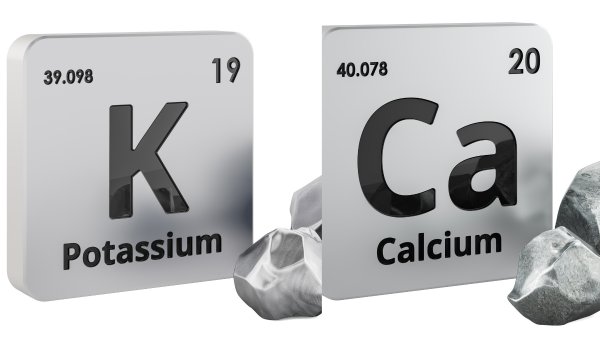
Potassium: A Commonly Overlooked Mineral
Potassium supports vital bodily functions.
Role In Muscle And Nerve Function
Potassium helps regulate muscle contractions and nerve signals.
Blood Pressure Regulation
Adequate potassium intake supports healthy blood pressure levels.
Low Intake Trends
Many diets lack sufficient fruits and vegetables that provide potassium.
Rich Dietary Sources
Bananas, potatoes, beans, spinach, and avocados are excellent sources.
Magnesium And Its Role In Daily Health
Magnesium supports hundreds of biochemical reactions.
Energy Production Support
Magnesium plays a role in converting food into usable energy.
Muscle And Nerve Function
It helps regulate muscle movement and nerve signaling.
Stress And Sleep Regulation
Adequate magnesium supports relaxation and quality sleep.
Foods That Provide Magnesium
Whole grains, leafy greens, nuts, seeds, and legumes are rich sources.
Calcium Intake And Bone Health
Calcium is essential throughout life.
Bone Strength And Structure
Calcium supports bone density and skeletal health.
Muscle And Nerve Function
It plays a role in muscle contraction and nerve communication.
Dietary Sources Of Calcium
Dairy products, fortified plant milks, leafy greens, and tofu provide calcium.
Absorption Depends On Other Nutrients
Vitamin D supports calcium absorption.
Iron Deficiency And Energy Levels
Iron supports oxygen transport throughout the body.
Iron’s Role In Energy Production
Iron helps carry oxygen in the blood, supporting energy levels.
Who Is At Risk
Women of childbearing age and individuals with limited meat intake may be at higher risk.
Signs Of Low Iron
Fatigue, weakness, and difficulty concentrating may occur.
Food Sources Of Iron
Red meat, beans, lentils, spinach, and fortified cereals provide iron.
Omega-3 Fatty Acids And Brain Health
Omega-3 fats are essential for cognitive and heart health.
Supporting Brain Function
Omega-3s contribute to memory and cognitive performance.
Reducing Inflammation
They help regulate inflammatory responses in the body.
Common Dietary Gaps
Many people consume insufficient omega-3s due to low fish intake.
Food Sources Of Omega-3s
Fatty fish, flaxseeds, chia seeds, and walnuts are key sources.
Why Nutrient Gaps Often Go Unnoticed
Many deficiencies develop gradually.
Subtle Symptoms
Low energy, poor focus, or mild discomfort may be overlooked.
Misattributing Symptoms
Symptoms are often blamed on stress or aging rather than nutrition.
Lack Of Routine Nutritional Assessment
Many people do not regularly evaluate their nutrient intake.
Short-Term Coping Masks Long-Term Issues
Caffeine or sugar may temporarily mask deficiencies.
How To Address Nutrient Gaps Naturally
Improving nutrition does not require drastic changes.
Focus On Food Variety
Eating a wide range of foods increases nutrient coverage.
Choose Whole Foods More Often
Whole foods contain more nutrients than refined options.
Plan Balanced Meals
Including protein, fiber, and healthy fats supports nutrient absorption.
Be Mindful Of Portions And Balance
Moderation supports sustainable habits.
When Supplements May Be Helpful
Supplements can fill gaps when food alone is insufficient.
Identifying Genuine Needs
Testing and professional guidance help identify deficiencies.
Short-Term Support
Temporary supplementation may support recovery or lifestyle changes.
Avoiding Overuse
Supplements should not replace a balanced diet.
Combining Food And Supplement Strategies
Food-first approaches remain the foundation of nutrition.
Building A Nutrient-Rich Lifestyle
Long-term health depends on consistent habits.
Focus On Daily Choices
Small, consistent improvements lead to lasting benefits.
Stay Flexible And Realistic
Sustainable habits matter more than perfection.
Listen To Your Body
Energy levels and well-being offer valuable feedback.
Make Nutrition Enjoyable
Enjoyable meals support long-term adherence.
Conclusion
Nutrient gaps are common in modern diets, but they can be addressed with informed food choices and balanced habits. By prioritizing whole foods, variety, and mindful eating, individuals can support their energy, immunity, and overall health. Understanding where common nutrient gaps exist empowers people to make practical changes that promote long-term wellness. Explore more nutrition resources to continue building a healthier, more nourishing lifestyle.

.png)



.png)





.png)

.png)



















.png)
.png)
.png)



.png)




.png)