.png)
Dietary supplements have become a daily habit for millions of people. From multivitamins to protein powders and herbal capsules, supplements are often seen as essential for good health. However, many people take supplements without fully understanding whether they truly need them. While supplements can be helpful in certain situations, they are not always necessary for everyone. Understanding when supplements are useful—and when whole foods are enough—can help people make smarter, more informed health decisions.
What Supplements Are And Why People Use Them
Supplements are products designed to provide nutrients that may be missing from the diet.
Common Types Of Supplements
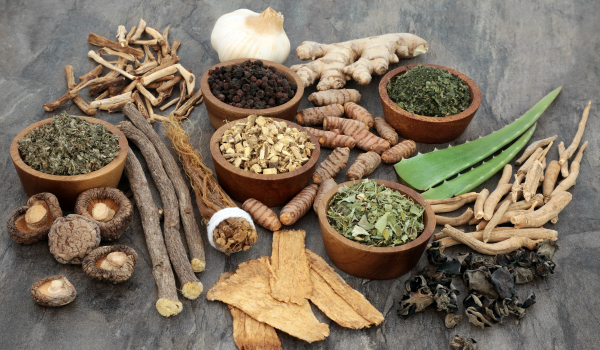
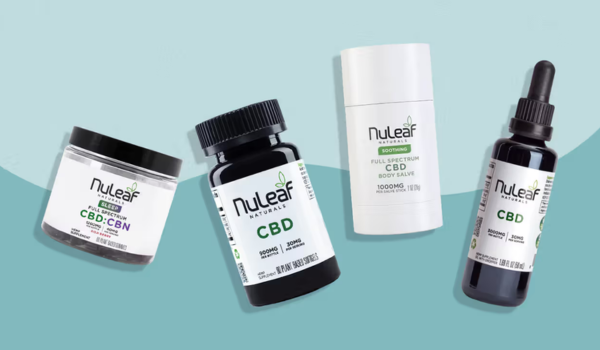
Supplements include vitamins, minerals, herbal extracts, amino acids, and fatty acids. They are available in forms such as tablets, capsules, powders, and liquids.
Why Supplements Are Popular
Busy lifestyles, dietary restrictions, and health concerns often drive people to use supplements as nutritional insurance.
The Promise Versus The Reality
While supplements can support certain needs, they are not a substitute for a balanced diet.
Understanding Supplement Limitations
Supplements provide isolated nutrients, whereas whole foods offer complex combinations of beneficial compounds.
When Supplements May Be Helpful
Certain situations increase the need for supplementation.
Nutrient Deficiencies
Individuals with diagnosed nutrient deficiencies may benefit from targeted supplementation under professional guidance.
Limited Or Restricted Diets
Vegetarian, vegan, or medically restricted diets may require specific nutrients such as vitamin B12 or iron.
Life Stages With Higher Nutrient Needs
Pregnancy, aging, and periods of recovery can increase nutrient requirements.
Low Sun Exposure
Vitamin D supplementation may be necessary for individuals with limited sunlight exposure.
Why Whole Foods Matter More Than Supplements
Whole foods provide more than isolated nutrients.
Natural Nutrient Synergy
Nutrients in food work together to enhance absorption and effectiveness.
Fiber And Phytonutrients
Whole foods contain fiber and plant compounds not found in most supplements.
Better Absorption And Utilization
The body often absorbs nutrients from food more efficiently than from pills.
Greater Satisfaction And Satiety
Whole foods contribute to fullness and enjoyment, supporting sustainable habits.
Common Misconceptions About Supplements
Many beliefs about supplements are misleading.
More Is Not Always Better
Excessive intake of certain vitamins and minerals can be harmful.
Natural Does Not Always Mean Safe
Some herbal supplements can interact with medications or cause side effects.
Supplements Cannot Fix Poor Diets
They should complement, not replace, balanced eating.
Marketing Claims Can Be Misleading
Health claims are not always supported by strong scientific evidence.
Understanding Labels And Quality Indicators
Reading supplement labels carefully is essential.
Understanding Dosages
More is not always better; recommended daily values provide useful guidance.
Third-Party Testing And Certification
Independent testing helps ensure quality and safety.
Avoiding Unnecessary Additives
Some supplements contain fillers, artificial colors, or sweeteners.
Choosing Reputable Brands
Trusted manufacturers are more likely to follow quality standards.
Potential Risks Of Unnecessary Supplement Use
Using supplements without need can have drawbacks.
Nutrient Imbalances
Excessive intake of certain nutrients may interfere with absorption of others.
Toxicity Risks
High doses of fat-soluble vitamins can accumulate in the body.
Interactions With Medications
Some supplements can interfere with prescription medications.
False Sense Of Health Security
Relying on supplements may lead to neglecting overall diet quality.
How To Determine If You Need Supplements
Individual needs vary.
Assess Your Diet First
A balanced diet often provides sufficient nutrients.
Consider Lifestyle And Health Factors
Age, health conditions, and physical activity affect nutrient needs.
Consult A Healthcare Professional
Testing and professional advice help identify true deficiencies.
Monitor How You Feel
Energy levels, digestion, and overall well-being can offer clues.
Building A Nutrient-Rich Diet Without Supplements
Food-first approaches are often the most effective.
Prioritize Whole Foods
Fruits, vegetables, whole grains, proteins, and healthy fats form the foundation.
Eat A Variety Of Foods
Diversity increases nutrient coverage.
Plan Balanced Meals
Combining protein, fiber, and healthy fats supports nutrient absorption.
Prepare Meals At Home When Possible
Home cooking allows greater control over ingredients.
When Supplements Can Be Beneficial
Supplements can support health when used appropriately.
Correcting Deficiencies
Targeted supplementation can restore nutrient balance.
Supporting Specific Health Goals
Some supplements may support bone health, energy, or immunity when used correctly.
Temporary Use During High-Demand Periods
Periods of stress, illness, or dietary restriction may warrant short-term use.
Guided Supplement Use
Professional guidance helps avoid unnecessary or harmful intake.
Creating A Balanced Approach To Supplement Use
Balance is key to long-term health.
View Supplements As Support Tools
They should complement, not replace, healthy eating.
Avoid Trends And Fads
Focus on evidence-based recommendations.
Reevaluate Regularly
Nutritional needs change over time.
Prioritize Consistency Over Quantity
Daily habits matter more than supplement quantity.
Conclusion
Supplements can be useful in specific situations, but they are not a substitute for a nutrient-rich diet. Most people can meet their nutritional needs through balanced eating, variety, and mindful food choices. Understanding when supplements are helpful—and when they are unnecessary—empowers individuals to make informed decisions that support long-term health. By focusing on whole foods and thoughtful habits, it becomes easier to build a sustainable approach to nutrition that supports both body and mind.

.png)



.png)





.png)

.png)














.png)
.png)
.png)



.png)


.png)