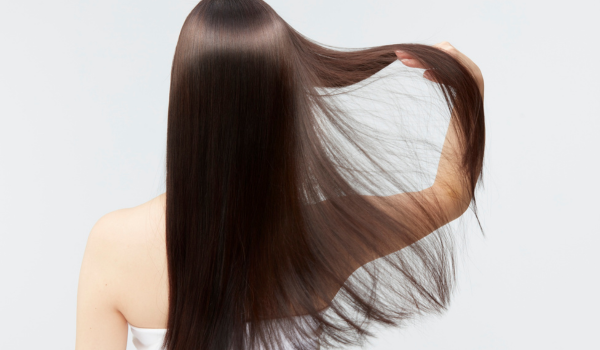
Your hair needs vitamins, minerals, and antioxidants to stay strong and support steady growth.
Fruits cannot fix every hair problem, but eating a wide variety of fruits may help prevent nutrient deficiencies that contribute to thinning, breakage, and slow hair growth.
Apples
Boosts keratin production
Apples—especially Annurca apples from Southern Italy—contain procyanidin B2, an antioxidant that helps increase keratin, the main structural protein in hair strands.
Helps maintain thickness and strength
These compounds help keep hair fibers strong while supporting volume.
Supports the growth phase
Apples may help hair stay in the anagen (growth) phase longer, reducing premature shedding.
Berries
Rich in antioxidants and vitamin C
Berries like strawberries, blueberries, and raspberries offer antioxidants such as anthocyanins and flavonoids, which protect follicles from oxidative stress.
Supports collagen production
Vitamin C helps your body make collagen, strengthening hair strands from the inside out.
Improves iron absorption
Vitamin C increases iron absorption, which supports oxygen delivery to follicles and reduces hair shedding linked to low iron levels.
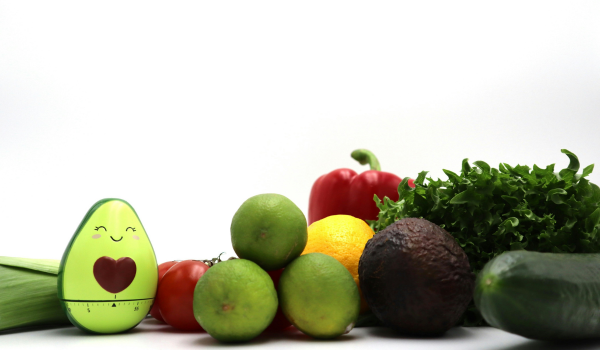
Avocados
Provides essential amino acids
Avocados contain cysteine and proline, which are the building blocks needed to form keratin.
Contains B vitamins for healthy follicles
Folate and pantothenic acid help support follicles throughout the hair growth cycle.
Hydrates and nourishes the scalp
Healthy fats like oleic acid moisturize the skin and improve vitamin absorption.
Acts as an antioxidant
Vitamin E in avocados helps combat oxidative stress that may weaken hair at the root.
Guava
Packed with vitamin C
Guava provides nearly five times more vitamin C than oranges, helping reduce breakage and iron-related shedding.
High in antioxidants
Compounds like lycopene and quercetin help protect hair and scalp tissues.
Versatile for eating and topical use
The fruit and leaves are sometimes used in scalp rinses to support stronger roots.
Kiwi
Protection from oxidative damage
Kiwis contain lutein, beta-carotene, and polyphenols that help defend follicles from stress.
Provides folate for cell growth
Folate supports the creation of new hair cells.
Boosts collagen and iron absorption
High vitamin C content strengthens strands and helps improve blood flow to follicles.
Papaya
Rich in nutrients that support hair growth
Papaya offers vitamin A, vitamin C, beta-carotene, folate, and antioxidants that help restore scalp health.
Helps promote natural oil balance
Vitamin A supports healthy oil production, preventing dryness.
Improves scalp exfoliation
Papain, an enzyme found in papaya, helps remove dead skin and buildup, clearing the way for new growth.
Citrus Fruits
Supports iron absorption and collagen formation
Oranges, lemons, and grapefruits are high in vitamin C, which strengthens hair fibers and helps your body absorb more iron.
Helps follicles remain healthy
Folate in citrus assists with cell development and hair regeneration.
Provides antioxidant protection
Vitamin C shields follicles from oxidative damage.
Pomegranate
Loaded with hair-protective antioxidants
Anthocyanins and punicalagins help preserve the growth phase and protect follicles.
Helps support circulation
Improved blood flow promotes thicker, healthier hair growth.
May help reduce thinning
Pomegranate compounds can help reduce environmental and oxidative damage linked to shedding.
Bananas
Gives a small boost of biotin
Biotin helps your body form keratin, and bananas provide an easy dietary source.
Supports hair strength
Even modest biotin intake can help reduce brittleness and weak strands.
Mangosteen
Soothes scalp inflammation
Mangosteen contains xanthones, antioxidant compounds known for calming inflammation.
Protects against oxidative stress
These compounds may support a healthier scalp environment, allowing follicles to function normally.
Available in multiple forms
Mangosteen can be eaten fresh or added frozen or powdered to smoothies.
Do Fruits Really Help Hair Grow?
Fruits do not cure hair loss, but two to three servings daily provide vitamins needed to keep hair in its growth phase longer.
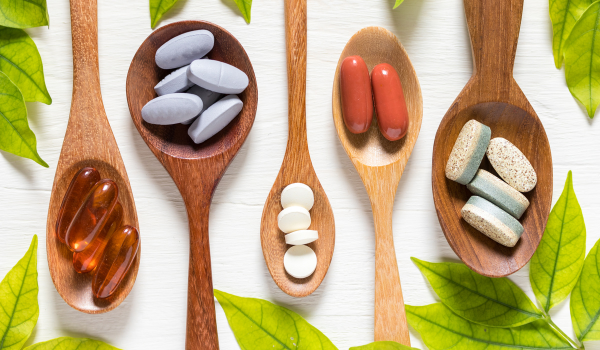
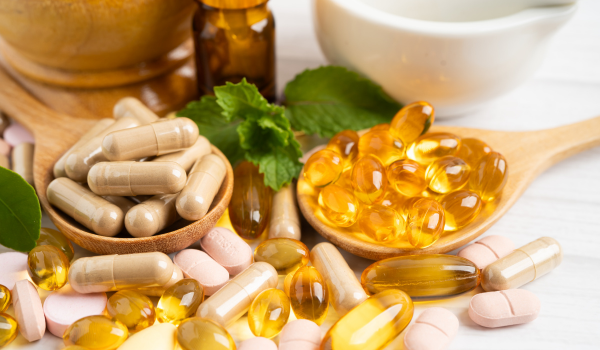
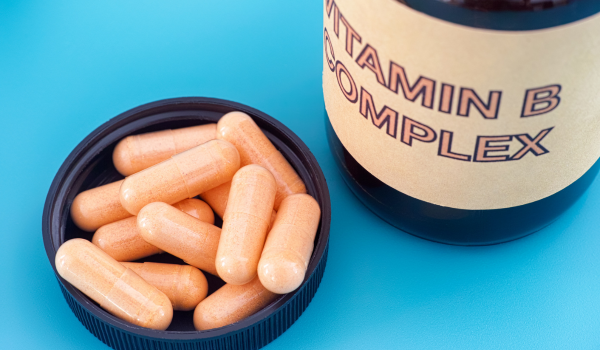
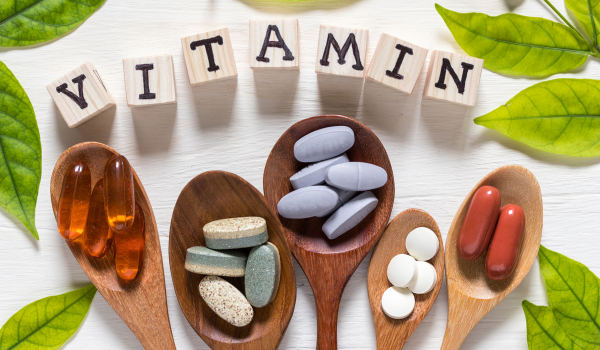
Experts recommend focusing on whole fruits first rather than relying on supplements, unless your provider confirms a deficiency. Over-supplementation—especially vitamin A—may worsen shedding.
How Long Does It Take To See Changes?
Hair grows slowly, roughly half an inch per month. With consistent nutrition, it may take three to six months to notice improvement.
Talk with a healthcare provider if shedding continues despite dietary changes or if you notice fatigue or scalp symptoms.
.png)

.png)


.png)
.png)

.png)
.png)
.png)
.png)
.png)
.png)