
Dietary supplements provide nutrients such as vitamins, minerals, fiber, and probiotics. They are commonly used to help fill nutritional gaps and support overall health, especially when daily food intake does not meet recommended levels.
How Supplements Fit Into Your Diet
Purpose of Supplement Use
Supplements are meant to add to your diet, not replace food. Many people take them to ensure they meet daily nutrient needs or to correct a known deficiency.
Dietary Patterns and Nutrient Gaps
People following vegetarian, vegan, paleo, or ketogenic diets may not get enough nutrients such as B vitamins or iron from food alone. Supplements can help bridge these gaps.
Common Nutrients People Supplement
Many adults use supplements to increase intake of nutrients such as calcium, iron, vitamin D, potassium, magnesium, vitamin B12, vitamin C, vitamin A, folic acid, and fiber.
Use for Specific Health Goals
Some people use supplements to manage symptoms or prevent health problems. Common examples include using melatonin for sleep, fiber supplements for digestion, and vitamin D or calcium for bone health.
Types of Dietary Supplements
Multivitamins
These contain a mix of vitamins and minerals and are often taken once daily for general health support. Some are marketed for specific goals such as immunity or energy.
Single Vitamins
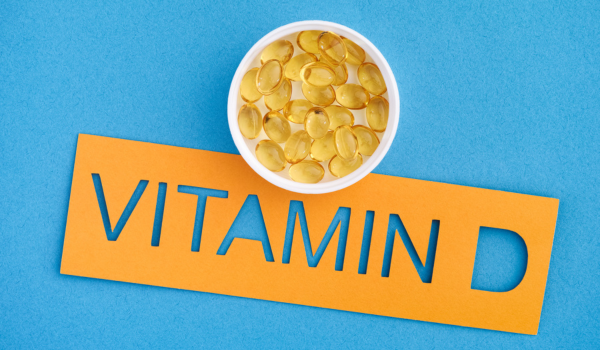
These supplements provide one vitamin, such as vitamin C or vitamin D, and are often used to treat or prevent a specific deficiency.
Mineral Supplements
Minerals such as calcium, iron, and potassium can be taken in supplement form to manage low levels.
Botanical Supplements
Herbs and plant compounds such as ginger or caffeine are used for effects like reducing inflammation or improving alertness.
Probiotics
These supplements aim to support healthy bacteria in the digestive system.
Amino Acids
These supplements provide essential or nonessential amino acids, which are the building blocks of protein and may support muscle function and recovery.
Potential Benefits of Supplements
Bone and Pregnancy Support
Calcium may help improve bone density and reduce fracture risk. Folate lowers the risk of certain birth defects when taken during pregnancy.
Metabolic and Cardiovascular Health
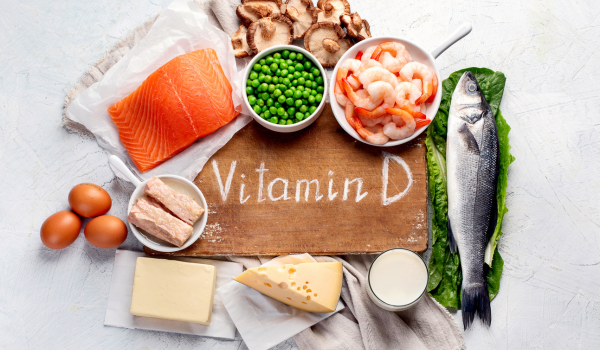
Magnesium may help lower blood pressure and reduce migraine frequency. Vitamin D helps the body absorb calcium and supports bone strength.
Blood Health
Iron supplements help prevent iron deficiency anemia and may reduce the risk of premature birth and low birth weight.
Do Supplements Really Work?
Mixed Scientific Evidence
Some supplements work as claimed, while others show little benefit in research. For example, ginkgo biloba has not been proven effective for preventing cognitive decline despite its popularity.
Regulation and Label Claims
The FDA does not require supplement manufacturers to prove effectiveness or safety before selling products. This means health claims on labels are not always verified.
Findings From Research
Iron supplementation reduces anemia risk during pregnancy. Folate lowers the risk of neural tube defects. Fiber supplements improve constipation and may lower cholesterol.
Risks of Taking Supplements
Possible Side Effects
High doses or improper use can cause complications such as liver damage, bleeding problems, or stroke.
Warning Signs of Adverse Reactions
Symptoms may include stomach pain, nausea, fatigue, chest pain, breathing difficulty, rapid heart rate, dark urine, diarrhea, or unintended weight loss.
Allergic Reactions
Some people may experience rashes, itching, or swelling of the lips, tongue, or throat.
When to Seek Help
Emergency care is needed if serious symptoms or allergic reactions occur.
Drug and Supplement Interactions
Medication Interference
Some supplements reduce the effectiveness of medications. St. John’s wort can interfere with antidepressants and birth control pills.
Cancer Treatment Concerns
Antioxidant supplements such as vitamins C and E may reduce the effectiveness of chemotherapy.
Blood Thinner Interactions
Vitamin K can interfere with warfarin and affect clotting control.
Tips for Safe Supplement Use
Consult a Healthcare Provider
Discuss any supplements with a doctor, especially if you take medications or have health conditions.
Follow Label Directions
Always take supplements exactly as directed.
Stop If Side Effects Occur
Discontinue use and seek medical advice if symptoms develop.
Special Populations
People who are pregnant, breastfeeding, or preparing for surgery should inform their doctor about supplement use.
Important Things to Remember
Food Should Come First
Supplements should not replace a balanced diet. Whole foods provide nutrients in safer and more complete forms.
High Doses Can Be Harmful
Some nutrients become dangerous at high levels.
Supplements Are Not Medicines
They cannot replace prescribed treatments for medical conditions. Always discuss benefits and risks with a healthcare provider before starting new supplements.




.png)





.png)
.png)















.png)
.png)
.png)
.png)



.png)



.png)