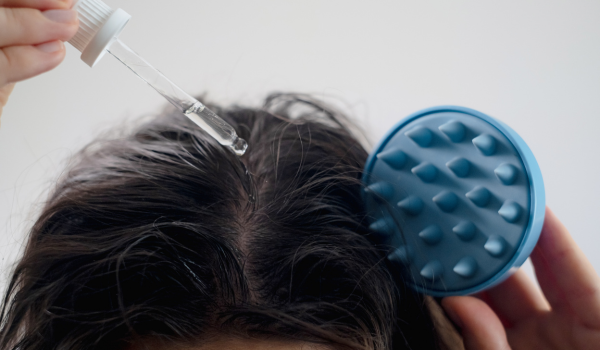
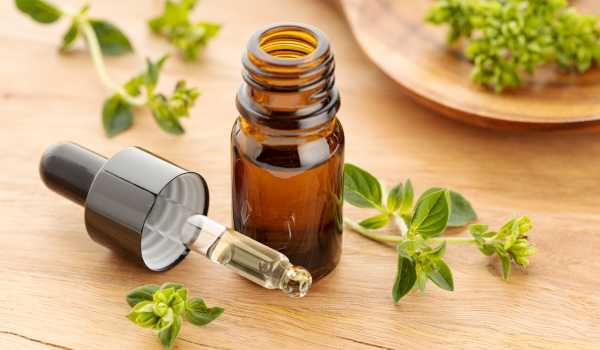
If you’re hoping to encourage stronger, longer hair, rosemary oil and castor oil are two popular natural remedies. Both offer moisturizing, anti-inflammatory, and antimicrobial properties, but they work in different ways. Rosemary oil may directly stimulate hair follicles, while castor oil strengthens and hydrates strands to support overall hair health.
Rosemary Oil May Be the Better Choice for Hair Growth
Research on herbal oils remains limited, but rosemary oil appears more promising for increasing hair growth from the follicle.
In clinical findings, rosemary oil increases blood flow to the scalp, improving oxygen and nutrient delivery to hair roots. This is similar to how minoxidil (Rogaine) works to stimulate hair growth.
A six-month comparison study found rosemary oil performed as well as a 2% minoxidil solution for men with male-pattern hair thinning. However, stronger 5% minoxidil concentrations were not tested.
Castor oil does not yet have evidence showing it grows hair directly. Instead, it nourishes the scalp and protects strands, which allows hair to grow healthier with less breakage.
How Rosemary Oil Can Help Stimulate Hair Growth
Stimulates and regenerates hair follicles
Rosemarinic acid increases blood circulation to the scalp and supports follicle activity, helping promote new growth.
Blocks androgens that trigger thinning
Rosemary oil contains compounds that may reduce the effects of androgen hormones linked to male- and female-pattern hair loss.
Reduces fungal infections and inflammation
Its antifungal and anti-inflammatory properties may help control dandruff and soothe scalp irritation—factors that can interfere with normal hair growth.
How Castor Oil Can Promote Healthy Hair
Moisturizes and protects hair follicles
Rich in fatty acids—especially ricinoleic acid—castor oil seals in moisture, strengthens hair fibers, and reduces split ends and breakage.
Helps prevent scalp infections
Natural antibacterial and antifungal compounds may reduce conditions that worsen hair thinning.
Soothes irritation
Castor oil can help calm inflammation and support scalp barrier repair, especially in dry and irritated scalps.
May block enzymes linked to hair loss
Early research suggests castor oil may inhibit prostaglandin D2 synthase (PGD2), an enzyme elevated in pattern hair loss.
How to Use Rosemary Oil and Castor Oil
Both rosemary and castor oils are too strong to apply directly.
Mix a few drops with a carrier oil—such as coconut, argan, or jojoba—before massaging into your scalp for five to ten minutes. Rinse or shampoo afterward.
For fine or easily weighed-down hair, castor oil should be used sparingly (about once weekly). Curly or coily hair can tolerate more frequent use, about two to three times weekly.
Many people combine rosemary oil and castor oil with a carrier oil to maximize hydration and follicle stimulation.
If you notice increasing hair thinning, consult a healthcare provider to rule out medical conditions or nutrient deficiencies.
Risks of Using Castor Oil or Rosemary Oil
Skin irritation or allergic reactions
Both oils may cause itching, redness, burning, or rashes—especially if applied undiluted or if you have plant allergies.
Patch test recommended
Test each oil on a small area of skin before applying it across your scalp.
Risk of hair tangling
Because castor oil is thick and sticky, overuse may lead to acute hair felting—extreme tangling that may require cutting the hair.
Bottom Line
Rosemary oil offers the strongest evidence for stimulating new hair growth by supporting scalp circulation and follicle function.
Castor oil helps strengthen strands, lock in moisture, and protect the scalp—supporting healthier hair over time.
Using both oils correctly may help more than using one alone, but severe hair loss should be evaluated by a medical professional.

.png)



.png)




.png)

.png)














.png)
.png)
.png)
.png)
.png)




.png)