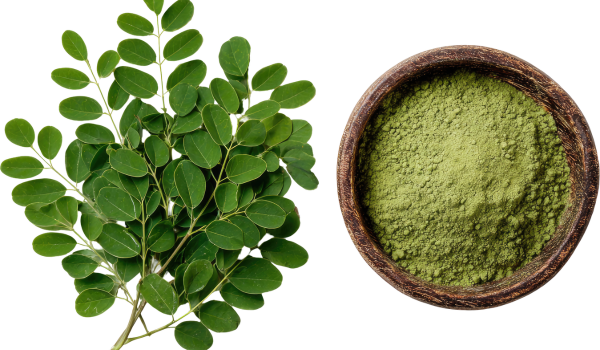
Moringa (Moringa oleifera) is a plant native to parts of India and Southeast Asia. It is commonly known as the drumstick tree, horseradish tree, or ben oil tree. Because of its rich nutrient profile and traditional medicinal uses, moringa is sometimes referred to as the “tree of life.”
In traditional medicine, nearly every part of the moringa tree has been used, including the leaves, bark, roots, seeds, and sap. Today, moringa is widely available as a powder, capsule supplement, tea, and skincare ingredient.
Although early research suggests several potential health benefits, more human studies are needed to fully understand how moringa affects health.
1. Contains Antioxidant And Anti-Inflammatory Compounds
Moringa leaves are rich in plant compounds known as phenolics and flavonoids, which have antioxidant and anti-inflammatory properties.
Antioxidants help neutralize free radicals, unstable molecules that can damage cells and contribute to aging and chronic disease. By reducing oxidative stress, moringa may help support overall cellular health.
Some studies suggest these compounds may also help reduce inflammation in the body, which is linked to conditions such as heart disease, diabetes, and arthritis.
2. May Support Digestive Health
Moringa contains dietary fiber, which plays an important role in digestive function.
Fiber can help:
-
Promote regular bowel movements
-
Support gut health
-
Increase feelings of fullness after meals
In addition, moringa pods contain a compound called niaziridin, which may help improve the absorption of certain vitamins and minerals from food.
By supporting both digestion and nutrient absorption, moringa may contribute to overall digestive wellness.
3. May Help With Blood Sugar Control
Some early research suggests moringa may help regulate blood sugar levels.
In a small study involving people with diabetes, participants who consumed moringa leaf powder daily experienced modest improvements in blood sugar control.
However, the current evidence is limited, and larger clinical studies are needed to confirm whether moringa can reliably support blood glucose management.
4. May Protect Brain And Nerve Health
Moringa contains compounds with neuroprotective properties, meaning they may help protect brain cells from damage.
Oxidative stress and inflammation in the brain are believed to contribute to neurological conditions such as:
-
Alzheimer’s disease
-
Parkinson’s disease
The flavonoids and phenolic acids found in moringa may help reduce inflammation in the nervous system and protect brain cells from oxidative damage. More research in humans is required to confirm these potential benefits.
5. May Help Ease Menopause Symptoms
Some evidence suggests moringa may help reduce symptoms associated with menopause.
Menopause occurs when menstruation and ovulation stop, typically between ages 45 and 55. Common symptoms include:
-
Hot flashes
-
Night sweats
-
Mood changes
Researchers believe moringa’s antioxidant properties may help reduce oxidative stress, which may contribute to symptoms such as hot flashes and night sweats.
Although early findings are promising, more research is needed to confirm moringa’s role in menopause symptom relief.
6. May Support Heart Health
Moringa contains compounds such as quercetin and isothiocyanates, which may benefit cardiovascular health.
Animal studies suggest these compounds may:
-
Help relax blood vessels
-
Improve circulation
-
Lower cholesterol levels
-
Reduce triglyceride levels
High cholesterol and triglycerides are known risk factors for heart disease. However, most research on moringa’s cardiovascular benefits has been conducted in animals, and human studies remain limited.
7. May Improve Skin Health
Moringa oil has become increasingly popular as a skincare ingredient.
The oil contains antioxidants and nutrients that may help:
-
Reduce inflammation in the skin
-
Support skin elasticity
-
Improve hydration
Moringa seed oil is sometimes used in products designed to treat acne, reduce scars, and improve uneven pigmentation. Its antioxidant compounds may also help protect skin from environmental damage.
8. May Help Prevent Malnutrition
Moringa is highly nutritious and has been used in some regions to help address malnutrition.
The leaves and seeds are rich in:
-
Vitamin A
-
Vitamin C
-
Fiber
-
Healthy fats
Some small studies suggest that moringa leaf powder may help improve nutritional status in individuals with certain health conditions by increasing overall nutrient intake.
Moringa Nutrition Facts
Moringa leaves and pods are commonly used in cooking in parts of India and Africa. In many other countries, moringa is more commonly consumed in powdered form.
A 2-teaspoon (4-gram) serving of moringa powder typically contains:
-
Calories: 15
-
Fat: 0 g
-
Sodium: 0 mg
-
Carbohydrates: 2 g
-
Fiber: 1 g
-
Added sugars: 0 g
-
Protein: 1 g
Although small in calories, moringa powder provides a variety of micronutrients and plant compounds.
Supplement Considerations
Moringa is widely available as:
-
Capsules
-
Tablets
-
Powder
-
Herbal tea
The plant’s antioxidant properties make it a popular dietary supplement. However, scientific research supporting many supplement claims is still limited.
As with any supplement, it’s best to consult a healthcare provider before adding moringa to your routine.
Potential Risks Of Moringa
Moringa leaves and seeds are generally considered safe when consumed in normal food amounts.
However, excessive intake may cause side effects.
Possible side effects include:
-
Diarrhea
-
Digestive upset
-
Toxicity at very high doses (around 70 grams or more)
Certain parts of the moringa tree may also be unsafe. The root and root bark contain alkaloids that may cause nausea, vomiting, or even paralysis in extreme cases.
To reduce risk, it is safest to consume only the leaves, seeds, or pods.
Possible Drug Interactions
Moringa may interact with certain medications.
People should speak with a healthcare provider before using moringa supplements if they:
-
Take prescription medications
-
Have thyroid conditions
-
Are pregnant or breastfeeding
Moringa may also affect thyroid hormone levels, which may be important for individuals with hypothyroidism.
Tips For Consuming Moringa
Moringa has a slightly earthy, herbal flavor that works well in both sweet and savory dishes.
Some simple ways to include moringa in your diet include:
-
Adding moringa powder to soups or stews
-
Blending it into smoothies or oatmeal
-
Brewing moringa leaf tea
-
Mixing the powder into pasta or sauces
-
Cooking with fresh moringa pods when available
A Quick Review
Moringa is a nutrient-rich plant with potential health benefits. Research suggests it may help support digestion, regulate blood sugar, reduce inflammation, and promote skin and heart health.
However, scientific evidence is still limited, and more human studies are needed to fully understand its effects.
If you are considering moringa as a supplement, consult a healthcare professional or registered dietitian to determine whether it is appropriate for your health needs.



.png)




.png)

.png)












.png)
.png)
.png)
.png)
.png)


.png)