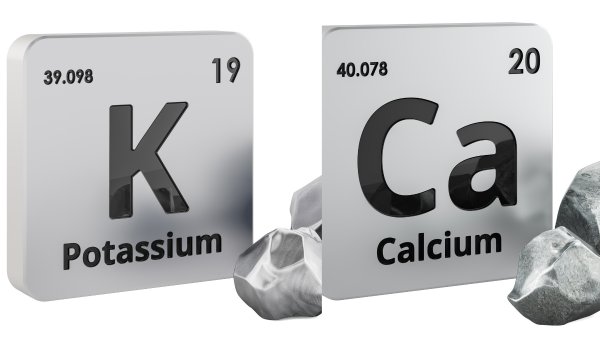
Most people can safely take calcium and potassium together. These two essential minerals support many important functions in the body, including fluid balance, bone strength, nerve communication, muscle contraction, and healthy heart rhythms.
Benefits Of Calcium
Calcium plays an essential role in maintaining many processes in the body. One of its primary functions is helping the heart beat normally while supporting proper muscle and nerve activity.
The body carefully regulates calcium levels in the blood. Even if dietary calcium intake is low, the body attempts to maintain stable blood levels by drawing calcium from the bones. Over time, this process can weaken bones and increase the risk of osteoporosis, particularly in older adults.
Consuming adequate calcium helps maintain bone strength and reduce the likelihood of bone loss as people age. Many individuals can meet their calcium needs through diet alone by eating calcium-rich foods such as dairy products, leafy greens, and fortified foods. However, some people may require calcium supplements to maintain proper levels.
Adequate calcium intake may also support cardiovascular health. Because calcium influences blood vessel function, maintaining sufficient intake may contribute to healthier blood pressure levels.
Benefits Of Potassium
Potassium is another essential mineral that plays multiple roles in the body. It supports muscle contraction, heart rhythm regulation, fluid balance, blood pressure control, and blood glucose management.
One of the most well-established benefits of potassium is its ability to help regulate blood pressure. Insufficient potassium intake is associated with a higher risk of hypertension. By helping maintain normal blood pressure levels, potassium may also lower the risk of heart attack and stroke.
Some studies suggest potassium intake may also support bone health and potentially reduce the risk of osteoporosis. However, this possible benefit is still being studied, and it remains unclear whether potassium supplements provide the same effect as potassium obtained through food.
Potassium also plays a role in insulin secretion, which helps regulate blood glucose levels. Low potassium levels may increase the risk of type 2 diabetes or worsen the condition in individuals who already have it.
Benefits Of Taking Calcium And Potassium Together
For some individuals, taking calcium and potassium together may offer additional benefits. People who are deficient in one of these minerals may also be deficient in the other, particularly if their diet lacks key nutrients or if certain medical conditions reduce nutrient absorption.
Low potassium levels can cause the body to lose more calcium through urine. If potassium intake is inadequate, calcium loss may increase, which can worsen calcium deficiency and negatively affect bone health.
For individuals dealing with conditions such as high blood pressure or osteoporosis, maintaining adequate levels of both minerals may offer complementary health benefits. In some cases, taking both supplements together may provide stronger protective effects than taking only one.
Emerging research also suggests that adequate intake of calcium and potassium may help reduce the risk of diabetic retinopathy, a form of eye damage that can occur in people with diabetes. However, more research is needed to confirm this potential benefit.
How To Take A Combination Of Calcium And Potassium
Calcium and potassium supplements are commonly available in tablet or capsule form, though powdered versions are also available.
Calcium Forms
One of the most common types of calcium supplement is calcium carbonate. Another form, calcium citrate, is often absorbed more efficiently and may be easier to digest for some people.
Potassium Forms
Potassium supplements are commonly available as potassium chloride, although potassium citrate is another effective option that may be recommended in certain situations.
Taking The Supplements
Calcium and potassium can be taken together at the same time or spaced throughout the day. Many people absorb these minerals more effectively when they are taken with food.
Some supplement products combine calcium, potassium, and magnesium in a single formula. Magnesium is another important mineral that helps regulate blood pressure and supports bone health.
Dosage
The recommended amount of calcium varies depending on age and sex because calcium needs change throughout life.
Adults between the ages of 19 and 50 generally require about 1,000 milligrams of calcium per day from both food and supplements combined. Adults aged 71 and older typically need around 1,200 milligrams daily. For individuals aged 51 to 70, the recommendation is 1,000 milligrams per day for men and 1,200 milligrams per day for women.
Calcium supplements come in many doses, typically ranging from 250 milligrams to 1,200 milligrams per serving. Because calcium is also obtained through diet, it is important to consider dietary intake before choosing a supplement dose.
Potassium does not have a strict recommended dietary allowance because there is less information about ideal intake levels. Instead, experts use an adequate intake guideline.
For adults aged 19 or older who are not pregnant or breastfeeding, the adequate intake level is approximately 3,400 milligrams per day for men and 2,600 milligrams per day for women. Many experts suggest that adults and children over age four may benefit from potassium intake closer to 4,700 milligrams per day.
Most potassium supplements contain relatively small amounts, typically less than 99 milligrams per serving. This limitation exists because higher doses of potassium supplements were once associated with intestinal irritation. As a result, products containing more than 99 milligrams must include warning labels.
Because supplement amounts are low, many people obtain most of their potassium through foods. Fruits such as bananas and apples, along with vegetables like potatoes and spinach, are excellent natural sources.
Is It Safe To Take Calcium And Potassium Together?
For most people, taking calcium and potassium together in recommended amounts is considered safe. There are no known harmful interactions between the two minerals when used appropriately.
However, supplementation should always be based on individual needs. Not everyone requires additional calcium beyond what they obtain from food. Excess calcium intake can be harmful, so supplements should generally be used only when recommended by a healthcare professional.
Potassium supplementation also requires caution in certain cases. Individuals with kidney disease, for example, may need to carefully monitor potassium intake because their kidneys may not efficiently remove excess potassium from the body.
When purchasing supplements, it is helpful to choose products that have been independently tested by organizations such as the National Sanitation Foundation or the United States Pharmacopeia to ensure quality and accuracy.
Potential Drug Interactions
Both calcium and potassium may interact with certain medications, affecting how the medications work or altering mineral levels in the body.
Medications That May Increase Potassium Levels
Some drugs can increase potassium levels in the body, raising the risk of hyperkalemia, a condition in which potassium levels become dangerously high. These medications include ACE inhibitors, angiotensin II receptor blockers, and potassium-sparing diuretics.
Medications That May Interact With Calcium
Calcium supplements can interact with certain medications, including antibiotics such as quinolones and tetracyclines, levothyroxine used for hypothyroidism, bisphosphonates used to treat osteoporosis, raltegravir used in HIV treatment, and lithium used to treat bipolar disorder.
Anyone taking these medications should consult a healthcare provider before using calcium or potassium supplements.
Can You Take Too Much Calcium Or Potassium?
It is possible to consume too much of either mineral, especially when supplements are taken in high doses.
Calcium
Adults aged 19 to 50 should generally not exceed 2,500 milligrams of calcium per day. Adults aged 51 and older should limit intake to around 2,000 milligrams daily.
Excess calcium intake can lead to hypercalcemia, a condition in which calcium levels in the blood become too high. This condition may cause kidney damage, abnormal heart rhythms, and other serious complications.
Some research also suggests that excessive calcium intake, particularly from supplements, may increase the risk of heart attack or stroke in certain individuals. Vitamin D is often recommended alongside calcium supplements because it helps the body absorb calcium more efficiently.
Potassium
Most healthy individuals can eliminate excess potassium through the kidneys and urine, which is why there is no universally defined maximum daily intake for potassium.
However, people with certain medical conditions must monitor potassium intake carefully. Chronic kidney disease, diabetes, and adrenal gland disorders can increase the risk of hyperkalemia. Severe hyperkalemia can cause dangerous heart rhythm problems and may become life-threatening.
Side Effects Of Taking A Combination Of Calcium And Potassium
Calcium supplements may cause digestive side effects in some people. These may include constipation, diarrhea, gas, and stomach discomfort. Some evidence also suggests calcium supplements could increase the risk of kidney stones in certain individuals.
Potassium supplements may cause symptoms such as abdominal pain, diarrhea, and nausea.
It is not fully clear whether taking calcium and potassium together increases the likelihood of side effects. However, because both supplements can affect digestion, taking them together may increase the risk of gastrointestinal discomfort for some individuals.
Was this page helpful?




.png)





.png)

.png)



















.png)
.png)
.png)
.png)



.png)




.png)