.png)
Dietary supplements provide essential nutrients such as vitamins, minerals, fiber, and probiotics. They are commonly used to help fill nutritional gaps in a person’s diet and support overall health. While supplements can be beneficial in certain situations, they should be used carefully and with a clear understanding of both their potential advantages and risks.
How Can Supplements Fit Into Your Diet?
Dietary supplements are primarily intended to supplement—meaning add to—your daily diet rather than replace healthy foods. Many individuals take supplements to ensure they receive adequate amounts of specific nutrients that may be lacking in their regular meals.
People who follow specialized diets such as vegetarian, vegan, paleo, or ketogenic diets may struggle to obtain sufficient amounts of certain nutrients. For example, individuals who avoid animal products might not consume enough vitamin B12 or other B vitamins. Supplements can help bridge this nutritional gap.
Others may rely on supplements to address diagnosed nutrient deficiencies. For instance, someone with low iron levels may take an iron supplement to restore healthy levels in the body.
In the United States, many adults use supplements to increase their daily intake of important nutrients, including:
-
Calcium
-
Iron
-
Vitamin D
-
Potassium
-
Magnesium
-
Vitamin B12
-
Vitamin C
-
Vitamin A
-
Folic acid
-
Fiber
Some individuals also take supplements to support the management of certain health conditions, prevent potential health issues, or improve specific aspects of their well-being.
Common examples include:
-
Using melatonin to help manage insomnia
-
Taking fiber supplements to support healthy bowel movements
-
Using vitamin D or calcium supplements to help maintain bone health
What Are The Different Types Of Supplements?
Dietary supplements come in many different forms, each designed to provide specific nutrients or health benefits. The most common types include the following.
Multivitamins
These supplements contain a combination of multiple vitamins and minerals in recommended amounts. Multivitamins are often taken once daily to support general health. Some formulations are marketed for specific goals such as boosting immunity, supporting energy levels, or promoting heart health.
Individual Vitamins
Some supplements contain only one vitamin, such as vitamin C, vitamin D, or vitamin B12. These are often used to correct or prevent a deficiency in a specific nutrient.
Minerals
Mineral supplements provide essential minerals like calcium, potassium, magnesium, or iron. These supplements are commonly used to address deficiencies or support particular bodily functions.
Botanicals
Botanical supplements are derived from plants or herbs. Popular examples include ginger, turmeric, and caffeine-containing herbal extracts. Many of these are used for their potential anti-inflammatory, digestive, or energy-boosting effects.
Probiotics
Probiotic supplements contain beneficial bacteria intended to support gut health. They may help maintain a healthy balance of microorganisms in the digestive tract and support digestion.
Amino Acids
Amino acid supplements may contain one or more of the essential amino acids that serve as the building blocks of protein. These supplements are often used by athletes or individuals seeking to support muscle recovery, endurance, and performance.
What Benefits Can Supplements Offer?
Vitamins and minerals play essential roles in many of the body’s most important biological processes. Because of this, certain supplements may provide health benefits when used appropriately.
Some widely recognized potential benefits include the following.
Calcium
Calcium helps strengthen bones and may reduce the risk of fractures in older adults, particularly women after menopause. It can also support healthy pregnancy by helping reduce the risk of preeclampsia.
Vitamin D
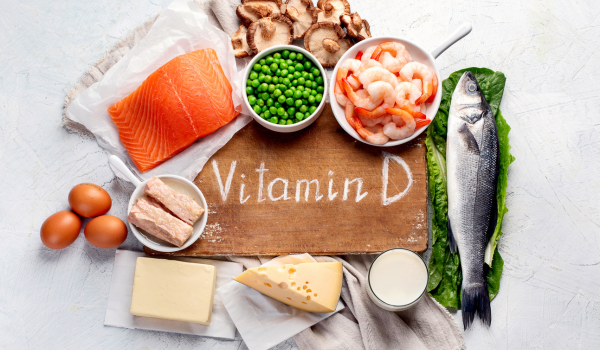
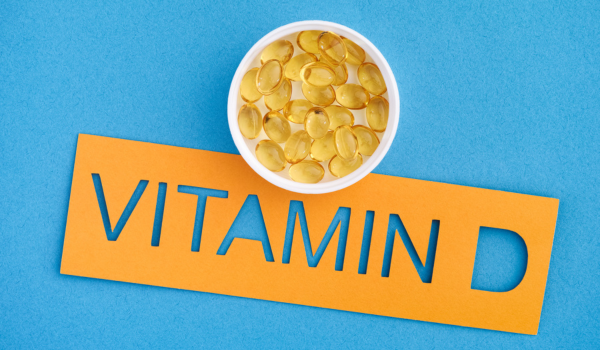
Vitamin D improves the body’s ability to absorb calcium and supports bone health. Adequate vitamin D levels may also help prevent conditions such as osteoporosis.
Magnesium
Magnesium plays a role in muscle and nerve function. Some studies suggest it may help lower blood pressure and reduce the frequency of migraines.
Folate Or Folic Acid
Folate is particularly important during pregnancy. Adequate intake can lower the risk of certain birth defects affecting the brain and spinal cord. It may also support the effectiveness of certain antidepressant medications and contribute to stroke risk reduction when combined with other B vitamins.
Iron
Iron supports the production of hemoglobin in the blood. Adequate iron intake helps prevent iron-deficiency anemia and can reduce the risk of premature birth and low birth weight during pregnancy.
Can Supplements Really Make A Difference?
Scientific evidence regarding the effectiveness of dietary supplements varies. Some supplements have strong research support demonstrating their benefits, while others have limited or conflicting evidence.
For example, certain supplements perform as expected when used for specific deficiencies or medical conditions. However, some popular supplements have not shown clear benefits in clinical studies despite widespread use.
A well-known example is the herbal supplement ginkgo biloba, which is often marketed as a cognitive enhancer. Research has not consistently demonstrated that it prevents or slows cognitive decline.
Dietary supplements in the United States are regulated by the Food and Drug Administration (FDA). However, supplement manufacturers are not required to prove the effectiveness or safety of their products before selling them. As a result, some health claims listed on supplement labels may not have been fully verified.
Despite this limitation, research does support the effectiveness of several supplements in certain contexts. Examples include:
-
Daily iron supplementation helping reduce the risk of anemia during pregnancy
-
Folic acid supplementation lowering the risk of neural tube defects in infants
-
Fiber supplements helping relieve chronic constipation and lower cholesterol levels
Risks To Watch Out For
For most healthy individuals, taking common supplements such as multivitamins is generally safe when used as directed. However, supplements are not completely risk-free.
Adverse reactions can occur, especially when supplements are taken in excessive amounts or combined with other substances improperly. The potential side effects vary depending on the specific supplement and dosage.
Possible complications may include:
-
Liver damage
-
Excessive bleeding
-
Stroke
Symptoms that may indicate a serious reaction to a supplement include:
-
Stomach pain
-
Nausea or vomiting
-
Lightheadedness or extreme fatigue
-
Chest pain
-
Difficulty breathing
-
Rapid heart rate
-
Difficulty urinating or dark urine
-
Diarrhea or bloody stool
-
Loss of appetite
-
Unintentional weight loss
Some people may also experience allergic reactions to certain supplement ingredients. These reactions may involve skin rashes, itching, hives, or swelling of the throat, lips, or tongue.
Anyone experiencing these symptoms should seek medical attention immediately.
Drug Interactions
Certain supplements can interact with prescription medications or other supplements in harmful ways. Combining multiple supplements or mixing them with medications can increase the risk of side effects or reduce the effectiveness of medical treatments.
For example, the herbal supplement St. John’s wort may reduce the effectiveness of antidepressants and birth control pills. Some antioxidant supplements, such as vitamin C and vitamin E, may interfere with certain chemotherapy treatments.
Blood-thinning medications can also interact negatively with supplements. Vitamin K, for instance, may reduce the effectiveness of the anticoagulant medication warfarin.
Because of these risks, individuals should always inform their healthcare provider about any supplements they are taking.
Tips For Safe Supplement Use
Using supplements responsibly can help reduce the risk of side effects and ensure they provide the intended benefits.
Consult A Healthcare Professional
Always speak with a doctor or qualified healthcare provider before starting any supplement. Inform them about any medications or other supplements you currently use.
Follow Label Instructions Carefully
Take supplements exactly as directed on the product label. Avoid taking higher doses unless advised by a healthcare professional.
Stop Use If Side Effects Occur
If you experience unusual symptoms or side effects after taking a supplement, discontinue use immediately and consult a healthcare provider.
Exercise Caution During Pregnancy Or Breastfeeding
Many supplements have not been thoroughly tested for safety during pregnancy or breastfeeding. Medical guidance is especially important in these situations.
Inform Doctors Before Surgery
If you are scheduled for surgery, notify your doctor about any supplements you are taking. Some supplements can interfere with anesthesia or increase the risk of bleeding.
Important Things To Keep In Mind
Health experts generally recommend obtaining essential nutrients primarily from whole foods rather than relying heavily on supplements. A balanced diet typically provides the vitamins and minerals the body needs for optimal health.
Research also suggests that consuming excessive amounts of certain nutrients through supplements may be harmful. Some vitamins and minerals can become toxic when taken in very large doses.
Additionally, supplements should never replace medications prescribed to treat medical conditions. Individuals interested in using supplements for health purposes should always consult a healthcare professional to fully understand their potential benefits and risks.
Was this page helpful?




.png)





.png)
















.png)
.png)
.png)
.png)



.png)



.png)