Thyme (Thymus vulgaris) is a fragrant herb commonly used in cooking and traditional medicine. It contains several natural compounds that may support health, including antioxidants, anti-inflammatory agents, and antimicrobial substances.
Although laboratory and animal studies suggest multiple potential benefits, research involving humans remains limited. More clinical studies are needed to fully confirm thyme’s health effects.
Acts As An Antioxidant
Thyme contains several compounds known for their antioxidant activity.
Key antioxidant compounds
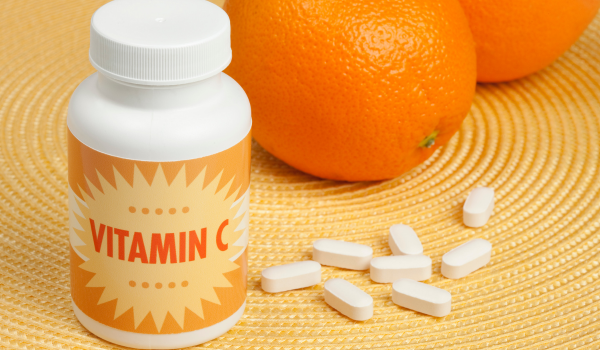
The herb is rich in vitamin C, phenolic compounds, and flavonoids. These substances help neutralize free radicals, which are unstable molecules that can damage cells.
Role of thymol
One of thyme’s main active compounds is thymol. This compound may contribute significantly to the herb’s antioxidant properties.
Thymol may also help enhance the activity of other antioxidants in the body, including vitamins C and E, which play important roles in protecting cells from oxidative stress.
May Reduce Inflammation
Some laboratory and animal studies suggest that thyme and its extracts may help reduce inflammation.
Anti-inflammatory effects of thymol
Thymol, the main active compound in thyme, may help decrease inflammatory responses in the body.
Research involving animals has shown that thyme essential oil may reduce inflammation when administered in certain doses.
Because chronic inflammation is associated with several health conditions—including heart disease, arthritis, diabetes, and chronic obstructive pulmonary disease—researchers believe thyme may have potential benefits in these areas.
However, high-quality human studies are still needed to confirm these effects and determine safe and effective dosages.
May Help Relieve Menstrual Cramps
Thyme has traditionally been used to help relieve pain, including menstrual discomfort.
Some studies suggest thyme tea or thyme extracts may reduce symptoms of dysmenorrhea, which refers to painful menstrual cramps.
Thyme tea and menstrual pain
In one study, individuals who consumed thyme tea were less likely to experience severe cramps compared with those who did not.
Comparison with pain medication
Another study found that thyme essential oil reduced menstrual pain to a degree similar to a commonly used over-the-counter pain medication.
Researchers believe thyme’s antioxidant and pain-relieving compounds may contribute to these effects. Still, more studies are needed to confirm these findings.
May Reduce Coughing
Thyme has long been used in herbal remedies for respiratory conditions.
Some studies suggest thyme extracts may help reduce coughing associated with upper respiratory infections.
Participants in certain research studies reported improvements in cough severity and overall quality of life when using herbal formulations containing thyme.
These benefits may be linked to thyme’s anti-inflammatory and antiviral properties. However, additional research is required to fully understand its effectiveness.
May Help Kill Harmful Pathogens
Thyme contains antimicrobial compounds that may help inhibit the growth of harmful microorganisms.
Antibacterial activity
The compound thymol has been widely studied for its antibacterial properties and is even used in some mouthwash formulations because of its ability to inhibit bacterial growth.
Antifungal properties
Laboratory studies suggest thyme essential oil may also help inhibit certain fungal strains, including some types of Candida.
Researchers believe thymol’s ability to penetrate and disrupt bacterial cells contributes to these antimicrobial effects.
Thyme As A Supplement
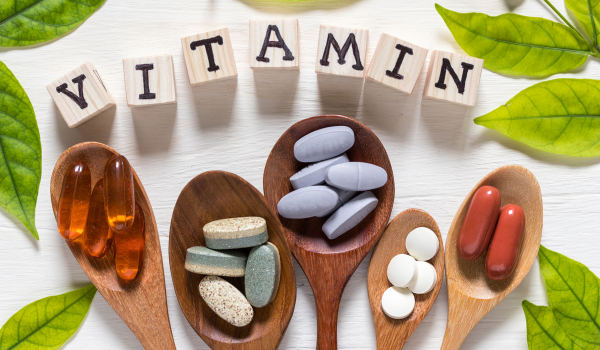
Because of its potential health benefits, thyme is available in supplement forms such as capsules, extracts, and essential oils.
Some supplements combine thyme with other herbs and may be marketed for digestive health or respiratory support.
Although these products are widely available, scientific evidence supporting many of these uses is still limited.
Currently, there are no official dosage guidelines for thyme supplements. However, research suggests that very high amounts—around 10 grams per day—may increase the risk of side effects.
Most commercial supplements contain significantly smaller amounts.
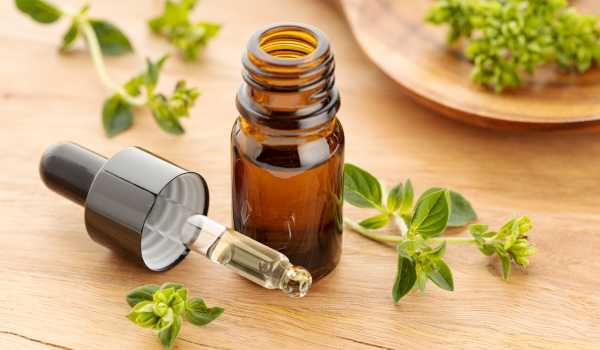
Using Thyme Essential Oil
Thyme essential oil can be used in several ways depending on the intended purpose.
Aromatherapy
Adding a few drops of thyme essential oil to a diffuser allows it to be inhaled, which may support respiratory health.
Topical use
Thyme oil can be diluted with a carrier oil such as coconut or olive oil and applied to the skin.
Internal use
Some essential oils labeled as food-grade may be used in small amounts in beverages such as herbal teas or water. However, internal use should always be approached cautiously and discussed with a healthcare provider.
Possible Risks Of Thyme
Thyme and thyme supplements are generally considered safe when consumed in moderate amounts.
However, high doses may increase the risk of side effects.
Common side effects may include:
-
Allergic reactions
-
Diarrhea
-
Dizziness
-
Headache
-
Heartburn
-
Nausea or vomiting
People who are allergic to plants in the Lamiaceae family—such as mint, basil, or oregano—may also be allergic to thyme.
Pregnant or breastfeeding individuals are usually advised to avoid thyme supplements due to limited safety research.
Undiluted thyme essential oil may also irritate the skin, so it should be diluted before topical use.
Tips For Consuming Thyme
Thyme is widely used in cooking and can add both flavor and nutritional benefits to meals.
The herb retains its flavor well during cooking, making it a popular ingredient in slow-cooked dishes.
Common ways to use thyme include:
-
Adding thyme sprigs to roasted chicken
-
Mixing it into soups and stews
-
Using it to flavor omelets
-
Brewing thyme tea
-
Sprinkling it on roasted vegetables
-
Adding it to legumes such as lentils or chickpeas
Other Uses For Thyme
Beyond culinary uses, thyme may also act as a natural food preservative.
Antimicrobial food protection
Research suggests thyme may help inhibit the growth of certain foodborne bacteria, including E. coli.
Extending food shelf life
The herb’s antioxidant compounds may help prevent oxidation in foods such as meat, which can extend freshness.
Thyme essential oil is sometimes used in food products as a natural alternative to synthetic preservatives.



.png)




.png)

.png)











.png)
.png)
.png)
.png)

.png)


.png)