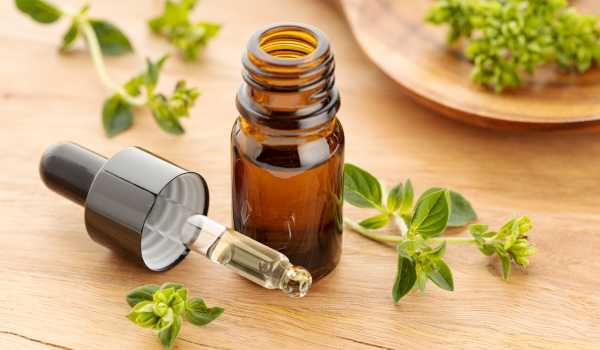
Oil of oregano is a plant extract known for its strong antioxidant, antibacterial, and antifungal properties. It has been used in traditional remedies to help treat infections and support digestive health.
Although laboratory and animal studies suggest several possible benefits, research involving humans is still limited. More clinical studies are needed to confirm how effective oil of oregano may be for specific health conditions.
What Is Oil Of Oregano?
Oil of oregano—sometimes called oregano extract—is derived from the oregano plant and concentrated into a supplement form.
The oil contains active compounds such as carvacrol and thymol, which are believed to contribute to many of its health-promoting effects.
Most scientific research on oregano oil has been conducted in laboratory settings or animal models, so additional human studies are necessary to better understand its potential health benefits.
Oil Of Oregano Vs. Oregano Essential Oil
The terms oil of oregano and oregano essential oil are often used interchangeably, but they refer to different products.
Oil of oregano
This form is commonly sold as capsules, liquid extracts, or tinctures and is often intended for oral consumption when used according to instructions.
Oregano essential oil
Oregano essential oil is produced through steam distillation of the plant’s leaves, stems, or flowers. This concentrated oil is typically used for aromatherapy or topical applications and should not be taken orally unless specifically formulated for that purpose.
When using essential oil on the skin, it must be diluted with a carrier oil to reduce the risk of irritation.
Has Antibacterial Properties
Oil of oregano contains compounds that may help fight certain bacteria.
Carvacrol and antibacterial activity
Carvacrol, one of the main active compounds in oregano oil, is believed to contribute to its antimicrobial effects.
Laboratory studies have shown that oregano oil may help inhibit the growth of several types of bacteria, including some strains that show resistance to certain antibiotics.
In some cases, oregano oil may be applied topically to help treat minor bacterial skin infections.
May Have Antifungal Properties
Oregano oil may also help combat certain fungal infections.
Potential treatment for fungal infections
Research suggests oregano compounds may help reduce fungal growth, including infections that affect the skin or nails.
However, many studies involve oregano extracts that contain multiple compounds, so it remains unclear whether oregano oil alone provides the same effects.
More research involving human participants is needed to confirm these benefits.
May Support Respiratory Health
Oregano has historically been used in herbal remedies for respiratory conditions.
Traditional respiratory support
The plant has been used to help relieve symptoms associated with cough, asthma, and bronchitis.
Some research suggests that compounds such as carvacrol may help reduce inflammation in the lungs and support respiratory function.
Although oil of oregano contains these compounds, more research is needed to confirm its effectiveness for respiratory health.
Rich In Antioxidants
Oregano is a rich source of antioxidants that help protect the body from cellular damage.
Role of antioxidants
Antioxidants help neutralize free radicals—unstable molecules that can damage cells and contribute to chronic disease.
Key antioxidant compounds found in oregano oil include carvacrol, thymol, and octacosanol.
These compounds may help support immune function and overall health by reducing oxidative stress.
May Help Reduce Inflammation
Inflammation is the body’s natural response to injury or infection, but chronic inflammation can contribute to many health conditions.
Anti-inflammatory properties
Oregano oil may help reduce inflammation due to the presence of compounds such as carvacrol and thymol.
Animal studies have shown that applying oregano extract may significantly reduce inflammatory responses.
However, more human research is necessary to determine whether the same effects occur in people.
May Support Digestive Health
Oil of oregano has been used traditionally to support digestive health and relieve certain digestive symptoms.
Possible digestive benefits
Some people use oregano oil to help manage symptoms such as indigestion, diarrhea, or stomach discomfort.
Oregano compounds may also help prevent the overgrowth of harmful bacteria in the gut.
Certain herbal preparations containing oregano have been studied for their potential effectiveness in managing small intestinal bacterial overgrowth (SIBO).
However, more clinical research is needed to confirm these digestive benefits.
How To Use Oil Of Oregano Safely
Oil of oregano supplements are available in several forms, including capsules, soft gels, and liquid extracts.
These supplements are often designed to be taken orally according to the instructions on the product label.
Taking oregano oil with food may help improve absorption and reduce the likelihood of stomach irritation.
It is important to read product labels carefully because not all oregano oil products are intended for oral use.
Recommended Dosage
Currently, there is no universally recommended dosage for oil of oregano.
Supplement dosages may vary depending on the product formulation and concentration.
Following the dosage instructions provided by the manufacturer is generally recommended. Consulting a healthcare professional can also help determine an appropriate dosage based on individual health needs.
Is Oil Of Oregano Safe?
Many over-the-counter oregano oil supplements are considered safe when used in typical dietary amounts.
However, certain precautions should be considered.
Skin irritation
Undiluted oregano essential oil can irritate the skin or cause chemical burns. It should always be diluted with a carrier oil before topical use.
Allergic reactions
People who are allergic to plants in the Lamiaceae family—such as basil, mint, or sage—may also react to oregano.
Pregnancy and breastfeeding
High doses of oregano supplements may not be safe during pregnancy or breastfeeding.
Surgery considerations
Oregano may increase the risk of bleeding. Individuals planning surgery should consult a healthcare provider about stopping supplements beforehand.
Use in children
Oil of oregano should not be used in young children unless recommended by a healthcare professional.
Because dietary supplements are not strictly regulated, choosing products tested by independent laboratories can help ensure quality and safety.
Potential Drug Interactions
Oil of oregano may interact with certain medications or supplements.
Possible interactions include:
-
Blood-thinning medications
-
Diabetes medications
-
Herbs that lower blood sugar
-
Herbs that slow blood clotting
If you are taking prescription medications or other supplements, speaking with a healthcare provider before using oregano oil is recommended.
What To Look For When Buying Oregano Products
The oregano plant is a perennial herb with dark green leaves that have a slightly fuzzy texture.
The leaves themselves contain beneficial compounds, but concentrated extracts are generally more potent.
When purchasing oregano supplements, choosing products from trusted sources is important to avoid contamination or misidentification with other plants.
Can You Take Too Much Oil Of Oregano?
There is currently no established upper intake limit for oregano oil.
However, taking amounts greater than recommended by the manufacturer may increase the risk of side effects.
Using supplements responsibly and following label instructions can help reduce potential risks.
Possible Side Effects
Most people tolerate oil of oregano well when used in moderate amounts.
However, consuming large quantities may lead to side effects.
Possible side effects include:
-
Abdominal discomfort
-
Constipation
-
Diarrhea
-
Dizziness
-
Headache
-
Heartburn
-
Nausea or vomiting
If you experience unusual symptoms after using oregano oil, stopping the supplement and consulting a healthcare professional is recommended.
Was this page helpful?




.png)





.png)

.png)

















.png)
.png)
.png)
.png)


.png)




.png)