.png)
Water is the foundation of healthy hydration. It helps regulate body temperature, transport nutrients, remove waste, protect sensitive tissues, and support normal physical and mental function. For most people, drinking plain water and eating a balanced diet are enough to replace the fluid and minerals lost during an ordinary day.
However, hydration is not always as simple as drinking another glass of water. When you sweat heavily, exercise for a long time, spend hours in hot weather, travel through a dry environment, or lose fluids because of illness, your body may lose both water and important minerals.
These minerals are called electrolytes. They include sodium, potassium, chloride, magnesium, calcium, phosphate, and bicarbonate. Electrolytes help control fluid balance, support nerve communication, and allow muscles to contract normally. They are present in the foods and beverages you consume as well as in your blood, tissues, urine, and other body fluids.
That does not mean everyone needs an electrolyte supplement every day. Most healthy people can replace normal electrolyte losses through water and food. The key is understanding when water is likely to be enough and when additional healthy hydration support may be worth considering.
Hydration Basics
Hydration describes the balance between the fluid entering your body and the fluid leaving it. You continually lose water through breathing, urination, bowel movements, and perspiration. Those losses can increase considerably when you exercise, spend time in hot weather, have a fever, or experience vomiting or diarrhea.
Water supports several essential processes. It helps the body maintain a normal temperature, lubricates joints, protects sensitive tissues, and assists with waste removal. The CDC also notes that insufficient hydration may contribute to unclear thinking, mood changes, overheating, constipation, and other health concerns.
Your daily fluid intake does not come from plain water alone. Coffee, tea, milk, soups, fruits, vegetables, and other foods and beverages all contribute to total water intake. Foods with a high water content can be especially helpful for people who find it difficult to drink large amounts of plain water throughout the day.
Hydration needs vary from person to person. Activity level, climate, body size, health status, pregnancy, breastfeeding, diet, and medication use can all influence how much fluid someone needs. A person working inside an air-conditioned office will usually have different needs from a construction worker, runner, gardener, or traveler spending several hours outside.
Rather than following one rigid rule, pay attention to your thirst, eating habits, activity, environment, and urine output. These signals can help you adjust your intake according to what your body is experiencing.
Electrolytes Explained
Electrolytes are minerals that develop an electrical charge when dissolved in water or other body fluids. Their electrical properties allow them to participate in many processes that are essential for normal body function.
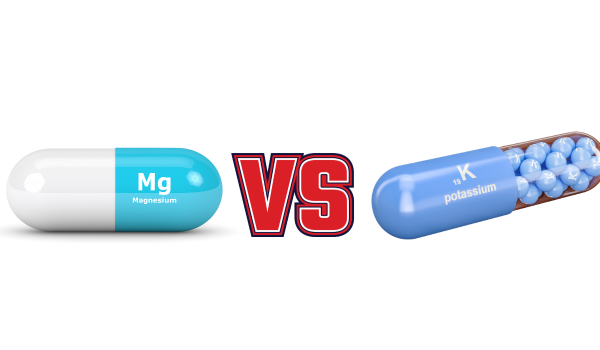
Sodium helps regulate the amount of fluid outside cells and contributes to nerve and muscle activity. Potassium is found mainly inside cells and supports fluid volume, nerve transmission, muscle contraction, and normal cell function. Magnesium contributes to muscle, nerve, and heart function, while chloride works with sodium to help regulate fluid balance.
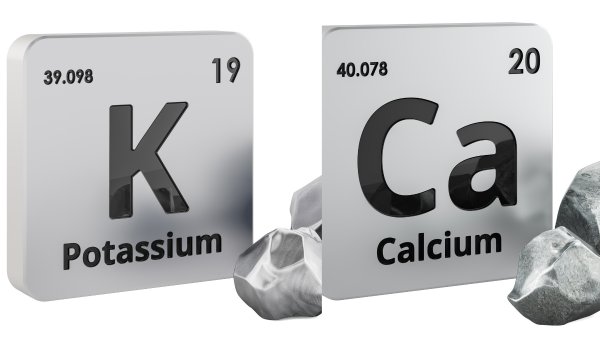
Calcium, phosphate, and bicarbonate also have important roles. Calcium supports bones, teeth, nerve signals, and muscle movement. Phosphate works with calcium and participates in energy-related processes. Bicarbonate helps maintain the body’s acid-base balance.
These minerals work together. Consuming a large amount of one electrolyte does not automatically improve hydration and can sometimes disrupt the balance between different minerals. Healthy hydration is therefore about maintaining an appropriate electrolyte balance, not consuming the highest possible amount.
The body normally receives electrolytes from food and beverages. It also carefully controls their concentrations through the kidneys, hormones, and other systems. Most healthy people do not need to measure every mineral they consume. Balanced meals, sufficient water, and adjustments during periods of greater fluid loss are generally more useful than trying to perfect every number.
A true electrolyte imbalance can involve levels that are either too low or too high. These problems may result from heavy sweating, severe vomiting or diarrhea, certain medicines, kidney conditions, heart or liver problems, inadequate fluid intake, or excessive water consumption. Blood testing is usually needed to determine whether a genuine imbalance is present.
When Water Works
Plain water should remain the primary hydration choice for most people. It contains no calories or added sugar, is widely available, and effectively replaces fluid lost during normal daily activities.
Water is usually enough when you are performing light activity, staying in a comfortable environment, eating regular meals, and not sweating heavily. A short walk, routine household tasks, desk work, or a moderate workout may not require a special electrolyte drink.
Meals naturally replace many of the minerals lost throughout the day. Sodium is commonly found in breads, sauces, packaged foods, restaurant meals, cheese, and salted foods. Potassium appears in fruits, vegetables, beans, dairy products, meat, and fish. Magnesium is found in nuts, seeds, legumes, whole grains, and leafy vegetables.
Drinking an electrolyte product when it is not needed is not necessarily beneficial. Some products contain high amounts of sodium, sugar, stimulants, sweeteners, or additional ingredients that may not fit every person’s diet.
It is also possible to drink too much water. Consuming very large quantities over a short period may dilute sodium in the blood. Although this is uncommon during ordinary routines, it shows why hydration should focus on balance rather than drinking as much as possible.
Start with water, eat balanced meals, and consider the circumstances surrounding your fluid loss. Electrolytes become more relevant when you are losing noticeable amounts of minerals through sweat or when regular food intake is temporarily limited.
Signs To Notice
Thirst is one of the simplest signs that your body may need more fluid. Other possible signs of dehydration include dry mouth, darker urine, reduced urination, tiredness, headache, dizziness, and lightheadedness.
These symptoms do not automatically mean that you specifically need an electrolyte supplement. They indicate that your hydration deserves attention, but the cause and circumstances matter.
Think about what you have been doing during the previous several hours. Have you exercised intensely? Have you been sweating in hot or humid conditions? Have you skipped meals? Have you recently experienced vomiting or diarrhea? Are you taking medication that affects fluid balance?
The combination of symptoms and circumstances can help identify the signs you may need electrolytes rather than plain water alone.
For example, someone who feels thirsty after sitting indoors may simply need water. Someone experiencing the same thirst after a long run in hot weather may have lost both fluid and minerals through sweat.
Muscle cramps are often associated with electrolyte loss, but they can also result from fatigue, overuse, poor conditioning, muscle strain, circulation issues, or other causes. Headaches can be related to dehydration, but they may also be caused by illness, stress, sleep problems, caffeine changes, or vision issues.
Do not use vague symptoms as proof of a mineral deficiency. Persistent or repeated symptoms should be evaluated instead of continually covered up with supplements.
Confusion, fainting, very little urination, inability to keep fluids down, severe weakness, breathing difficulty, seizures, or rapidly worsening symptoms may require urgent medical attention. An ordinary dietary supplement is not a substitute for professional treatment in these situations.
Exercise Needs
Physical activity raises body temperature, causing the body to produce sweat to release heat. Sweat contains water and electrolytes, especially sodium and chloride. The amount lost depends on exercise intensity, duration, climate, clothing, individual sweat rate, and how salty a person’s sweat is.
For a short or light workout, water may be sufficient. You may also replace electrolytes naturally through the next meal or snack.
Longer exercise sessions create different demands. Endurance training, repeated workouts, outdoor sports, intense gym sessions, and physically demanding work can produce greater fluid and mineral losses. In these situations, hydration after exercise may involve both water and electrolytes.
People vary considerably in how much they sweat. One person may complete a workout with only mild perspiration, while another may finish with soaked clothing and visible salt marks. Their replacement needs will not necessarily be the same.
An electrolyte drink may be convenient before, during, or after prolonged activity, especially when a complete meal is not immediately available. However, hydration is only one part of recovery.
The body may also need carbohydrates to restore energy, protein to support muscle repair, and sufficient calories to replace energy used during activity. An electrolyte powder should complement a balanced recovery meal rather than replace it.
Pay attention to how your body responds under different conditions. The same workout may create greater fluid losses on a hot, humid day than it does in a cool indoor environment.
Heat And Travel
Hot weather increases hydration needs because your body relies more heavily on sweating to control temperature. The longer you remain in the heat, the more water and minerals you may lose.
People working outdoors, gardening, hiking, attending summer events, playing sports, or spending time at the beach may need to drink more frequently. Electrolytes can support hydration in hot weather, particularly when sweating is prolonged or heavy.
An electrolyte drink should not replace basic heat-safety measures. Take breaks, seek shade or air conditioning, wear suitable clothing, and avoid remaining outside when heat conditions become unsafe.
Travel can also disrupt normal hydration. Long trips may change meal schedules, reduce access to water, and involve extended time in dry airplane cabins or vehicles. Travelers may avoid drinking to reduce restroom stops, increasing the chance of arriving tired and thirsty.
Carrying a refillable bottle is often the simplest solution. Eating regular meals and packing fruit, yogurt, nuts, or other nutritious snacks can also help replace fluid and minerals.
A portable electrolyte powder may be useful when balanced meals are difficult to find or when the trip involves heat, exercise, or significant sweating. It is a convenience option rather than a requirement for every flight or road trip.
Travelers should also be cautious about using highly caffeinated energy drinks as a hydration solution. Some energy products contain substantial caffeine, added sugar, or other stimulants and should not be treated as equivalent to water or a basic electrolyte drink.
Food First
A varied diet is one of the most reliable ways to obtain electrolytes. Food supplies minerals alongside vitamins, protein, carbohydrates, healthy fats, fiber, and other beneficial compounds that an electrolyte powder cannot fully replace.
Potassium is available in potatoes, beans, lentils, tomatoes, leafy vegetables, bananas, oranges, dried fruit, dairy products, fish, and meat. Potassium supports intracellular fluid volume, nerve transmission, and muscle contraction.
Magnesium can be found in nuts, seeds, legumes, whole grains, leafy greens, and certain dairy products. Calcium is available in milk, yogurt, cheese, fortified plant beverages, tofu, canned fish with edible bones, and some vegetables.
Sodium and chloride are commonly consumed together as salt. Many people already receive substantial sodium from packaged foods, sauces, restaurant meals, breads, snacks, and processed meats. This is one reason a high-sodium electrolyte drink may not be necessary for every person.
Foods can also support hydration directly. Watermelon, strawberries, oranges, cucumbers, tomatoes, lettuce, soups, yogurt, and many other foods contain meaningful amounts of water.
A post-workout snack containing yogurt and fruit can provide fluid, potassium, calcium, carbohydrates, and protein. A balanced meal containing potatoes, vegetables, and a protein source can replenish several minerals while also supporting energy and recovery.
Building meals around electrolyte-rich foods should generally come before relying on supplements. Powders are most useful when convenience, appetite, heavy sweating, travel, or limited access to food makes normal nutrition more difficult.
Choosing A Mix
Electrolyte products are not all the same. Some contain only sodium and potassium, while others include magnesium, calcium, vitamins, carbohydrates, amino acids, creatine, caffeine, or additional performance-related ingredients.
Begin by reading the Supplement Facts panel. Check the serving size and the quantity of each mineral. A scoop that looks small may still provide a meaningful amount of sodium, potassium, or magnesium.
Consider how you plan to use the product. Someone completing prolonged endurance exercise may have different needs from someone who wants a lightly flavored drink during an ordinary workday.
The sodium level deserves particular attention. Higher-sodium formulas may suit prolonged sweat-heavy activity, but they may be less appropriate for someone who already eats a high-sodium diet or has been advised to limit sodium.
Look at the sugar content as well. Carbohydrates can be useful during long exercise sessions because they provide energy and can play a role in certain rehydration formulas. However, someone performing light activity or reducing sugary beverages may prefer a low-sugar electrolyte drink.
Sugar-free does not automatically mean that a product is right for everyone. Check which sweetener is used, especially if you have digestive sensitivity or dislike the taste of particular sweeteners.
Also check for caffeine and other stimulants. Some hydration powders are marketed as energy products. They may not be appropriate in the evening, for people sensitive to caffeine, or for anyone already consuming coffee or other caffeinated beverages.
Flavor and mixing quality matter because a product is only practical when you are comfortable drinking it. Compare the taste options, portability, serving directions, ingredient list, and overall cost before making a decision.
Product Option
After deciding that an electrolyte powder is appropriate for your routine, one product you may come across is Optimal Electrolyte by Seeking Health.
According to its current product page, the formula includes key minerals such as potassium and magnesium, along with nutrients intended to support cellular energy production. Seeking Health positions it as an alternative to electrolyte formulas that rely heavily on sodium alone.
The product may appeal to active adults, travelers, or people who regularly spend time in hot environments and want a broader formula than a basic flavored water product.
Seeking Health states that Optimal Electrolyte is free from sugar, dyes, and stevia and uses monk fruit for sweetness. The current formula also contains ingredients beyond basic electrolytes, including taurine and creatine.
For someone replacing traditional sugary sports drinks, a sugar-free electrolyte powder may be worth considering. However, sugar-free does not necessarily make a product universally better. Carbohydrates can still be helpful during prolonged exercise, and people should select a formula based on their activity and nutritional needs.
Additional ingredients also deserve attention. A person looking only for sodium and potassium may prefer a simpler product, while another person may appreciate a more comprehensive formula. Review every ingredient rather than making a decision based solely on the word “electrolyte.”
Product formulas, flavors, and serving information may change. Always review the current Supplement Facts panel, ingredient list, allergen information, and directions printed on the container or official product page.
Best Uses
Optimal Electrolyte is not something every reader must use every day. It is better viewed as an optional tool for particular situations.
One possible use is after a long workout that produces noticeable sweating. Mixing a serving with water may offer a convenient way to consume fluid and minerals while preparing or traveling to your next meal.
Another possible use is during outdoor activity in hot weather. Gardeners, hikers, runners, sports participants, and people doing physical work may find an electrolyte powder easier to carry than several separate food items.
The product may also be convenient during travel, particularly when normal eating schedules are disrupted. Powder can be added to water without requiring a ready-to-drink bottle to be carried throughout the entire trip.
Some people may enjoy a flavored electrolyte drink because it encourages them to consume more fluid than they would drink as plain water. In this case, the product can support a practical habit, provided it is used according to the label.
However, an electrolyte powder should not become the only beverage you drink. Plain water should still play a central role, and balanced meals should remain the main source of nutrition.
Avoid treating the product as a cure for every headache, cramp, tired feeling, or difficult workout. These experiences can have many causes, and continuously adding supplements may delay recognition of a different issue.
Safe Use
Electrolyte supplements may not be appropriate for everyone. People with kidney disease may have difficulty removing excess potassium or other minerals from the blood. Certain medicines can also affect potassium, sodium, blood pressure, kidney function, or fluid balance.
Potassium supplements and potassium-containing products deserve particular care for people with impaired kidney function or those using medications that raise potassium levels. Excessive potassium can cause serious problems when the body cannot remove it effectively.
Speak with a healthcare professional before using an electrolyte supplement if you have kidney disease, heart disease, uncontrolled high blood pressure, a history of electrolyte abnormalities, or a medically prescribed fluid or sodium restriction.
Professional advice is also sensible during pregnancy or breastfeeding, before giving a supplement to a child, or when combining multiple products containing potassium, magnesium, creatine, niacin, or similar ingredients.
Follow the serving directions carefully. Adding extra scoops does not necessarily improve hydration and may increase the intake of minerals or other ingredients beyond what you need.
Electrolyte supplements should not be used as a substitute for medical oral rehydration products during serious vomiting or diarrhea unless a healthcare professional recommends them. Medical rehydration solutions are designed for specific fluid-loss situations and may differ substantially from everyday wellness powders.
Dietary supplements are intended to support nutrition. They are not designed to diagnose, treat, cure, or prevent disease.
Daily Habits
A healthy hydration routine can be simple. Keep water available throughout the day and drink steadily instead of waiting until you become extremely thirsty.
Carry a refillable bottle to work, school, the gym, or while traveling. Choosing a bottle that is easy to clean and comfortable to carry can make regular drinking more convenient.
Drink additional fluid before and after physical activity. During longer exercise sessions, take regular drinks based on thirst, heat, intensity, and personal sweat rate.
Include fruits, vegetables, beans, whole grains, dairy products, nuts, seeds, and balanced meals in your diet. These foods provide naturally occurring minerals and support overall nutrition.
Use electrolyte products strategically rather than automatically. They may be most relevant during prolonged exercise, heavy sweating, hot weather, travel, or periods when normal food intake is reduced.
You can alternate an electrolyte beverage with plain water during an active day rather than replacing every glass of water. The right balance will depend on your diet, activity, climate, and health.
Pay attention to recurring symptoms. Persistent headaches, cramps, dizziness, fatigue, unusual thirst, or frequent urination should not simply be managed with more supplements without investigating their cause.
Final Thoughts
Water remains the most important part of everyday hydration. For most healthy people completing ordinary daily activities, plain water and a varied diet provide enough fluid and electrolytes.
Additional electrolytes may become useful when fluid and mineral losses increase through long exercise sessions, heavy sweating, hot weather, travel, vomiting, diarrhea, or reduced food intake.
The best product depends on the reason you are using it. Consider the quantities of sodium, potassium, and magnesium, as well as sugar, sweeteners, stimulants, and any additional ingredients.
Optimal Electrolyte is one option for people who want a flavored, sugar-free formula containing potassium, magnesium, and additional ingredients. It should be chosen after reviewing personal needs rather than treated as a daily necessity for everyone.
Readers who believe the formula fits their lifestyle can learn more about Optimal Electrolyte and review the current flavors, Supplement Facts, ingredients, directions, and safety information before making a purchase.






.png)
.png)













.png)
.png)
.png)
.png)


.png)




.png)