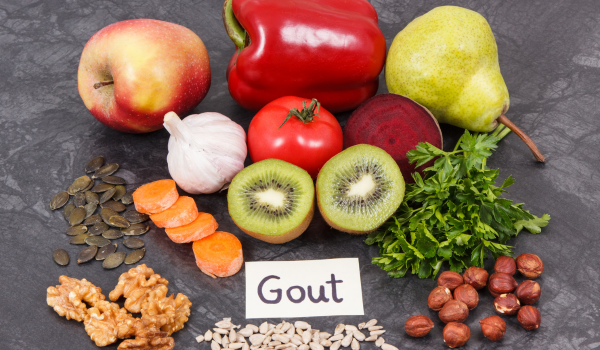
A low-purine diet can help people with gout manage uric acid levels and reduce the risk of painful flare-ups. The goal is not to eliminate purines completely, but to limit foods that contribute the most to uric acid buildup while emphasizing nutrient-rich foods that may support better overall health.
Gout management usually works best when diet is combined with medications, hydration, weight management when appropriate, and other healthy lifestyle habits.
What Causes Gout?
Gout develops when uric acid builds up in the bloodstream.
Uric acid is a waste product created when the body breaks down substances called purines. Normally, uric acid dissolves in the blood, passes through the kidneys, and leaves the body in urine.
When uric acid levels become too high, sharp crystals can form and collect in the joints.
Common Symptoms Of Gout
A gout flare may cause:
- Sudden severe joint pain
- Swelling
- Redness
- Warmth
- Tenderness
- Limited movement
The big toe is a common location, but gout can also affect the ankles, knees, wrists, fingers, and other joints.
How Does A Low-Purine Diet Help?
Purines occur naturally in the body and are also found in many foods.
When purines are broken down, uric acid is produced.
Eating large amounts of high-purine foods may contribute to higher uric acid levels, especially in people who already have difficulty removing uric acid efficiently.
The Main Goal
A gout-friendly diet focuses on:
- Limiting high-purine animal foods
- Reducing alcohol
- Avoiding excess fructose
- Eating more plant foods
- Choosing lean protein sources
- Staying well hydrated
Diet alone may not completely control gout, but it can reduce the frequency or severity of attacks for some people.
1. Limit Red Meat
Beef, lamb, and pork contain moderate to high levels of purines.
These meats are also relatively rich in hypoxanthine, a type of purine associated with increased uric acid production.
Foods To Limit
Examples include:
- Beef
- Lamb
- Pork
- Meat-based gravies
- Rich meat stocks
- Meat drippings
You do not necessarily need to eliminate all red meat, but smaller portions and less frequent consumption may help.
2. Avoid Or Limit Beer
Alcohol can interfere with the body's ability to remove uric acid.
Beer may be especially problematic because it contains alcohol as well as purine-containing compounds.
During A Gout Flare
It is usually best to avoid alcohol completely until symptoms improve.
People with frequent gout attacks may also benefit from substantially limiting beer and other alcoholic drinks over the long term.
3. Limit Certain Seafood
Seafood can be nutritious, but some varieties contain high amounts of purines.
Higher-Purine Seafood Includes
- Anchovies
- Sardines
- Mussels
- Scallops
- Trout
- Tuna
These foods do not necessarily have to be permanently eliminated, but people with gout may need to eat them less often.
Lower-purine seafood choices and smaller portions may be easier to incorporate into a gout-friendly eating pattern.
4. Cut Back On Sugary Drinks
Fructose can increase uric acid production.
Beverages containing large amounts of added fructose may therefore increase the likelihood of gout flares.
Drinks To Limit
These include:
- Regular soda
- Sweetened fruit drinks
- Energy drinks
- Sweetened teas
- Drinks containing high-fructose corn syrup
Water is generally the best option for hydration.
Unsweetened coffee and tea can also fit into many gout-friendly diets.
5. Avoid Organ Meats
Organ meats contain some of the highest concentrations of purines.
Examples Include
- Liver
- Kidneys
- Sweetbreads
- Heart
- Giblets
Because these foods can significantly increase uric acid production, people with gout are generally advised to avoid or strictly limit them.
6. Reduce Ultra-Processed Foods
Highly processed foods may contribute to inflammation and poor metabolic health.
Processed meats can also contain meaningful amounts of purines.
Foods To Limit
Examples include:
- Fast food
- Hot dogs
- Sausages
- Processed deli meats
- Packaged snack foods
- Highly refined convenience meals
Replacing these foods with vegetables, whole grains, legumes, and minimally processed protein sources may support both gout management and overall health.
Animal Purines Vs. Plant Purines
Not all purine-rich foods appear to affect gout risk equally.
Purines from animal foods, particularly red meat and certain seafood, are more strongly associated with higher gout risk.
Plant foods such as beans, lentils, spinach, and peas may contain purines, but they do not appear to increase gout risk to the same extent.
Why Plant Foods May Be Different
Plant-based foods also provide:
- Fiber
- Antioxidants
- Vitamin C
- Potassium
- Anti-inflammatory compounds
These nutrients may help offset some of the effects associated with their purine content.
For most people with gout, there is no need to eliminate healthy vegetables simply because they contain purines.
Foods That May Help Lower Uric Acid
Some foods and beverages have been associated with lower uric acid levels or fewer gout attacks.
Cherries
Cherries are one of the most commonly studied foods for gout.
They contain anthocyanins and other antioxidant compounds that may help reduce inflammation.
Possible Benefits
Regular cherry consumption may:
- Support lower uric acid levels
- Reduce inflammation
- Lower the risk of gout attacks
Fresh, frozen, or unsweetened cherries can all be reasonable options.
Cherry juice may also be used, but choose unsweetened varieties when possible.
Coffee
Coffee consumption has been associated with a lower risk of gout in some studies.
It may influence uric acid production or excretion.
Best Choice
Choose:
- Plain coffee
- Coffee with minimal added sugar
- Unsweetened milk if desired
Sugary specialty coffee drinks can cancel out some of the potential benefits.
Low-Fat Dairy
Certain dairy products may help reduce uric acid levels.
Milk proteins such as casein and lactalbumin may support uric acid excretion.
Good Options Include
- Low-fat milk
- Plain yogurt
- Greek yogurt
- Cottage cheese
Choose unsweetened varieties when possible.
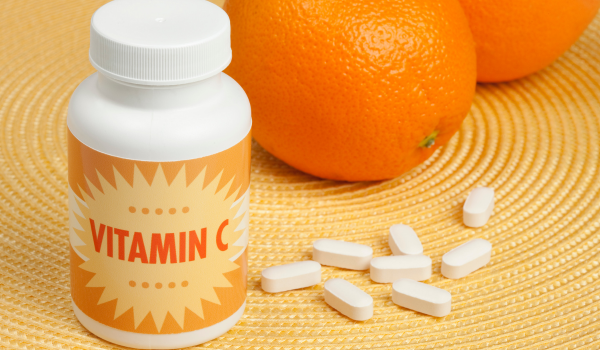
Vitamin C-Rich Foods
Higher vitamin C intake has been associated with lower uric acid levels.
Good Sources Include
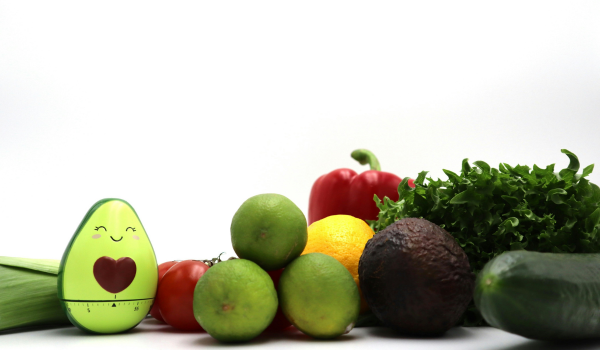
- Oranges
- Strawberries
- Kiwi
- Bell peppers
- Broccoli
- Tomatoes
- Grapefruit
Whole fruits and vegetables are generally preferable to sweetened juices because they provide fiber and contain less concentrated sugar.
Plant Oils
Healthy plant oils can support an anti-inflammatory eating pattern.
Good options include:
- Olive oil
- Sunflower oil
- Soybean oil
- Avocado oil
Use them in moderation as replacements for butter, shortening, or heavily processed fats.
Soy Foods
Soy foods provide plant-based protein without the same gout risk associated with many animal protein sources.
Examples include:
- Tofu
- Edamame
- Tempeh
- Unsweetened soy milk
These foods can help reduce reliance on red meat while still providing protein.
What About Beans And Lentils?
Beans and lentils contain purines, but they are generally considered acceptable for people with gout.
Their plant-based purines appear less likely to trigger gout attacks than purines from meat and seafood.
They also provide:
- Fiber
- Protein
- Magnesium
- Potassium
- Antioxidants
Including legumes regularly can help create a more heart-healthy and gout-friendly diet.
Best Eating Patterns For Gout
Rather than focusing only on individual foods, an overall healthy eating pattern may be more effective.
Two dietary approaches are commonly recommended.
Mediterranean Diet
This eating pattern emphasizes:
- Vegetables
- Fruits
- Whole grains
- Legumes
- Olive oil
- Nuts
- Moderate amounts of fish
- Limited red meat
DASH Diet
The DASH diet focuses on:
- Fruits
- Vegetables
- Whole grains
- Low-fat dairy
- Beans
- Nuts
- Lean protein
Both approaches may support lower blood pressure, better metabolic health, and improved uric acid management.
How Much Does Diet Affect Uric Acid?
Diet plays an important role, but most uric acid in the bloodstream is produced by the body itself.
This means even a very strict diet may not be enough to control gout in some people.
Medication May Still Be Necessary
People with recurrent attacks or persistently high uric acid may need medications that:
- Reduce uric acid production
- Increase uric acid excretion
- Control inflammation during attacks
Always take gout medication exactly as prescribed.
Weight Management And Gout
Excess body weight is associated with higher uric acid levels and greater gout risk.
Gradual weight loss may help lower uric acid and reduce flare frequency in people who are overweight.
Avoid Rapid Weight Loss
Fasting, crash diets, and extremely rapid weight loss can temporarily increase uric acid and may trigger a gout attack.
A slow, sustainable approach is safer.
Stay Hydrated
Drinking enough water helps the kidneys remove uric acid.
Dehydration may increase the likelihood of crystal formation and gout symptoms.
Simple Hydration Tips
- Drink water throughout the day
- Increase fluids during hot weather
- Drink more when exercising
- Limit sugary beverages
- Avoid excessive alcohol
People with heart or kidney disease should ask a healthcare provider how much fluid is appropriate for them.
Review Your Medications
Some medications can raise uric acid levels.
Examples may include:
- Certain diuretics
- Low-dose aspirin
- Some immune-suppressing drugs
Do not stop prescribed medication on your own.
If you have gout, ask your healthcare provider whether any medications you take could be contributing to high uric acid.
Foods To Eat More Often
A gout-friendly diet can include plenty of nutritious foods.
Good Choices Include
- Vegetables
- Whole fruits
- Whole grains
- Low-fat dairy
- Eggs
- Beans and lentils
- Tofu and other soy foods
- Nuts and seeds
- Olive oil
- Cherries
- Vitamin C-rich foods
- Water
- Unsweetened coffee and tea
These foods can help create a balanced diet without excessive purine intake.
Foods To Limit Or Avoid
People with gout may benefit from reducing:
- Organ meats
- Large portions of red meat
- Anchovies
- Sardines
- Mussels
- Scallops
- Beer
- Excess alcohol
- Sugary soft drinks
- High-fructose beverages
- Processed meats
- Ultra-processed foods
How strict you need to be depends on your uric acid level, flare frequency, medications, and overall health.
Are There Downsides To A Low-Purine Diet?
A very restrictive low-purine diet can sometimes exclude nutritious foods unnecessarily.
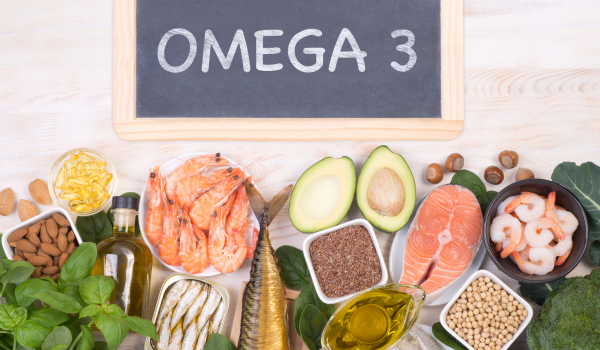
For example, fish provides omega-3 fatty acids, while legumes provide fiber and plant protein.
Eliminating too many foods can also make it harder to get enough:
- Protein
- Healthy fats
- Vitamins
- Minerals
The goal should be moderation and overall diet quality rather than removing every food that contains purines.
When To See A Dietitian
A registered dietitian can help create a gout-friendly eating plan that still meets your nutritional needs.
This may be especially helpful if you also have:
- Diabetes
- Kidney disease
- High blood pressure
- High cholesterol
- Food allergies
- Weight management concerns
A dietitian can also help you determine appropriate protein sources and avoid unnecessary dietary restrictions.
Final Thoughts
A low-purine diet can be a useful part of gout management, especially when it focuses on reducing organ meats, red meat, certain seafood, beer, sugary drinks, and highly processed foods.
At the same time, foods such as cherries, low-fat dairy, vegetables, fruits, beans, soy foods, whole grains, and vitamin C-rich produce may support better uric acid control.
The most effective approach is usually a balanced eating pattern such as the Mediterranean or DASH diet combined with adequate hydration, gradual weight management when needed, regular medical care, and prescribed gout medications.


.png)



.png)
.png)





.png)
.png)
.png)
.png)
.png)

.png)