Keeping your brain healthy involves more than mental exercises and quality sleep. Certain vitamins, minerals, and healthy fats also play a major role in supporting memory, focus, mood, and overall cognitive function.
Nutrients such as B vitamins, vitamin D, magnesium, omega-3 fatty acids, and iron help brain cells communicate properly, protect nerves from damage, and support healthy thinking as people age.
While supplements are not miracle solutions, maintaining healthy nutrient levels may help support long-term brain health naturally.
B Vitamins
B vitamins, especially vitamin B6, folate (B9), and vitamin B12, are essential for healthy brain function.
These nutrients help lower homocysteine, a compound that may damage memory and thinking abilities when levels become too high. They also support the production of neurotransmitters such as serotonin and dopamine, which influence mood, concentration, and memory.
Research suggests adequate intake of these vitamins may help slow age-related brain shrinkage and support cognitive function in older adults.
Low levels of B vitamins may lead to fatigue, difficulty concentrating, low energy, and mood changes because deficiencies can contribute to anemia and nervous system problems.
Good Food Sources
Leafy green vegetables, legumes, eggs, fish, poultry, dairy products, and fortified cereals are rich sources of B vitamins.
Who May Need Supplements
Older adults and people following vegetarian or vegan diets may have difficulty getting enough vitamin B12 and could benefit from supplementation after speaking with a healthcare provider.
Vitamin E
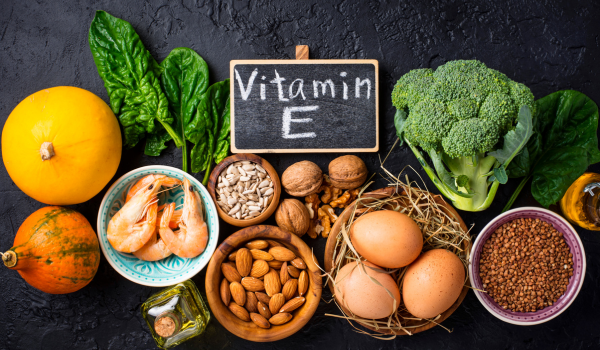
Vitamin E acts as a powerful antioxidant that helps protect brain cells from long-term damage caused by oxidative stress.
Some research suggests vitamin E may help preserve memory and slow cognitive decline, particularly in people with Alzheimer’s disease.
However, experts generally recommend focusing on food sources rather than high-dose supplements because excessive supplementation may increase certain health risks.
Good Food Sources
Almonds, sunflower seeds, hazelnuts, spinach, broccoli, avocados, and vegetable oils are excellent sources of vitamin E.
Vitamin D
Vitamin D supports mood regulation and helps protect brain cells.
Low vitamin D levels have been linked to depression, memory issues, and a higher risk of Alzheimer’s disease. People with deficiencies often perform worse on memory and cognitive tests.
Maintaining healthy vitamin D levels appears important for both brain and mental health, although supplements may not provide additional benefits for people who already have normal levels.
Good Food Sources
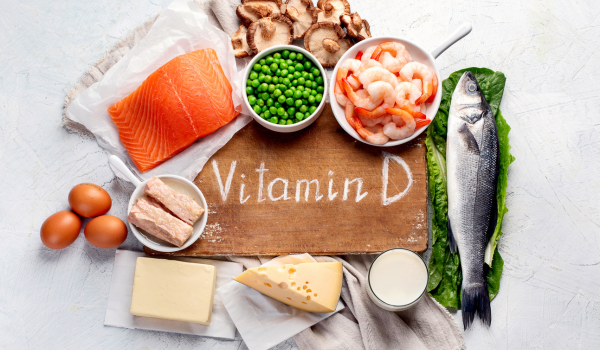
Fatty fish such as salmon and sardines, fortified dairy products, egg yolks, mushrooms, and regular sunlight exposure can help maintain healthy vitamin D levels.
Multivitamins
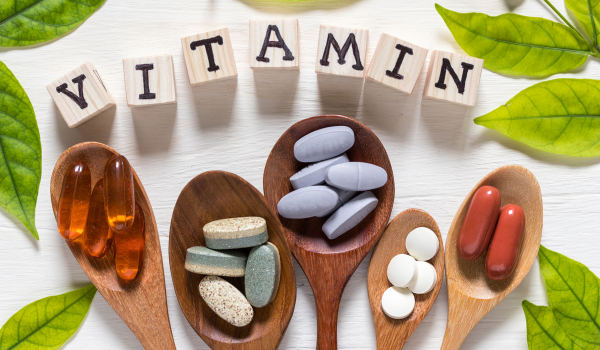
Multivitamins combine several essential vitamins and minerals into one supplement and may help fill nutritional gaps when diet quality is poor.
Research on multivitamins and brain health remains mixed. Some studies show improvements in memory and attention, especially in older adults with deficiencies, while others show little effect.
Whole foods still remain the best long-term source of nutrients for brain health.
Best Dietary Approach
A balanced diet rich in fruits, vegetables, whole grains, lean proteins, nuts, seeds, legumes, and dairy products provides many of the nutrients the brain needs naturally.
Magnesium
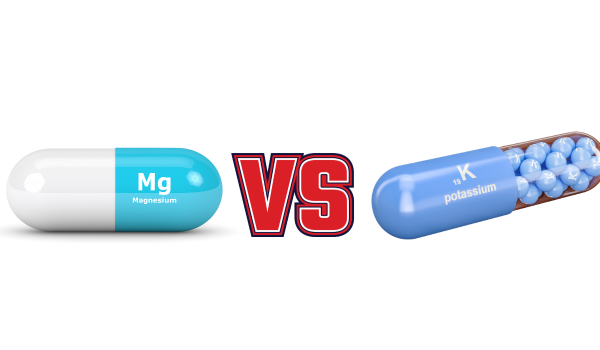
Magnesium is an essential mineral involved in nerve function, muscle activity, blood pressure regulation, and energy production.
It also helps brain cells communicate efficiently and may support better sleep quality, focus, and mental clarity.
Good Food Sources
Leafy greens, nuts, seeds, beans, and whole grains contain high amounts of magnesium.
Zinc
Zinc plays an important role in memory, learning, and healthy brain signaling.
A zinc deficiency may slow mental processing and negatively affect cognitive performance.
Good Food Sources
Oysters, beef, poultry, beans, nuts, and pumpkin seeds are excellent dietary sources of zinc.
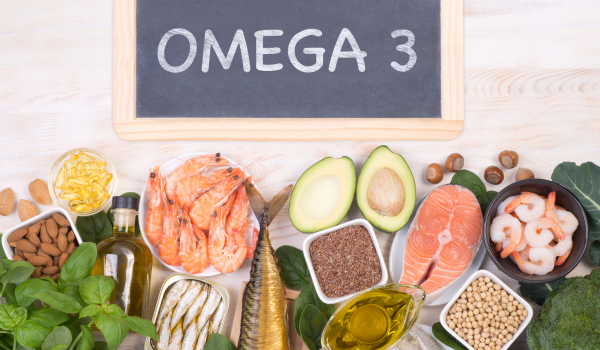
Omega-3 Fatty Acids
Omega-3 fatty acids, especially DHA, are essential fats that support the structure of brain cell membranes.
These healthy fats may help protect against age-related cognitive decline and support overall brain function.
Good Food Sources
Fish oil, salmon, sardines, walnuts, chia seeds, and flaxseeds are rich in omega-3 fatty acids.
Iron
Iron helps transport oxygen throughout the body, including to the brain.
Low iron levels can lead to anemia, causing fatigue, poor concentration, mental fog, and reduced cognitive performance.
Good Food Sources
Red meat, chicken, lentils, beans, spinach, and fortified grains are good sources of iron.
Choline
Choline helps the body produce acetylcholine, a neurotransmitter involved in learning and memory.
Some research suggests higher choline levels may be associated with lower markers of Alzheimer’s disease and cognitive decline.
Good Food Sources
Eggs, beef liver, soybeans, broccoli, and Brussels sprouts provide significant amounts of choline.
Important Things To Know Before Taking Supplements
Although vitamins and supplements may support brain health, taking excessive amounts can be harmful.
For example, too much vitamin E may increase bleeding risk, while high doses of vitamin B6 taken long-term may lead to nerve damage.
Supplements can also interact with medications. Certain vitamins and fish oil products may affect blood thinners or other medications.
When choosing supplements, experts recommend selecting products that undergo third-party testing for safety and quality. Avoid products that advertise unrealistic claims or extremely high doses far above daily recommendations.
Before beginning any supplement routine, it is best to consult with a healthcare professional to determine what is appropriate for your individual needs.



.png)




.png)
.png)












.png)
.png)
.png)
.png)


.png)



.png)