.png)
Stroke remains one of the most common and serious health conditions worldwide, with cases occurring frequently every day. Researchers have long known that diet plays a major role in stroke prevention, and new research suggests that certain B vitamins may be especially important for reducing risk.
A recent study published in the American Journal of Preventive Cardiology found that people with higher intakes of several B vitamins had a lower risk of stroke. However, researchers also discovered that the benefits appeared to level off beyond certain intake amounts.
What The Research Found
Previous studies had already linked some B vitamins, including folic acid, pyridoxine, and cobalamin, to lower stroke risk. However, researchers wanted to better understand the long-term effects of B vitamins and determine whether other forms—such as thiamin, riboflavin, and niacin—might also help protect against stroke.
To explore this connection, scientists analyzed data from two large research programs.
The first dataset came from the Women’s Health Initiative, which included 121,565 postmenopausal women who completed detailed dietary questionnaires. The second came from the National Institutes of Health All of Us Research Program, involving 99,660 participants whose B vitamin levels were measured using blood samples.
The findings showed a consistent pattern. Higher intake levels of thiamin, riboflavin, niacin, pyridoxine, and folate were associated with a 10% to 20% lower risk of stroke compared to the lowest intake levels.
Blood test data also showed that higher levels of pyridoxine and folate were linked to reduced stroke risk.
However, researchers noticed an important limitation. For most B vitamins, the protective effect only appeared up to a certain level of consumption. Beyond that point, increasing intake further did not appear to provide additional benefits.
Folate was the only vitamin that continued showing an association with lower stroke risk at higher intake levels.
Why B Vitamins Could Support Stroke Prevention
The study cannot prove that B vitamins directly prevent strokes. Researchers only found an association, and other lifestyle factors may also have influenced the results.
In addition, some of the dietary information relied on self-reported food questionnaires, which may not always be completely accurate.
Even so, experts believe B vitamins could theoretically help reduce stroke risk because they play an essential role in cellular health and energy production. These functions are important for maintaining healthy blood vessels and proper brain function, both of which are directly connected to stroke prevention.
Different B vitamins support the body in different ways, so the exact mechanisms may vary depending on the specific nutrient involved.
Should You Increase Your B Vitamin Intake?
Researchers caution against assuming that taking very high doses of B vitamins will automatically reduce stroke risk.
The study suggests there may be an optimal intake range, meaning more is not always better. Excessive intake may provide little benefit and, in some cases, could potentially create other health concerns.
Still, getting enough B vitamins is essential for overall health, and experts recommend focusing primarily on natural food sources.
Best Food Sources Of B Vitamins
Leafy Green Vegetables
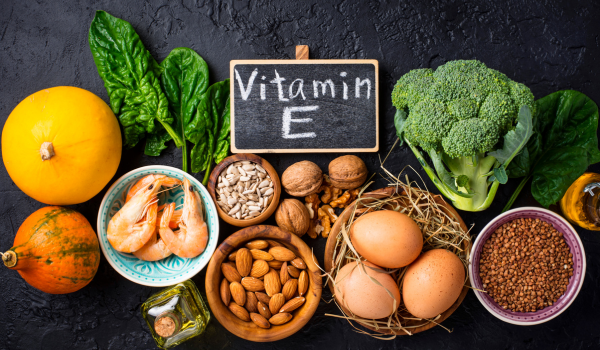
Foods such as spinach, kale, and broccoli are rich in folate and other important nutrients that support cardiovascular and brain health.
Whole Grains
Whole grains provide several B vitamins, including thiamin, riboflavin, and niacin. Choosing minimally processed grains may help preserve these nutrients.
Lean Proteins
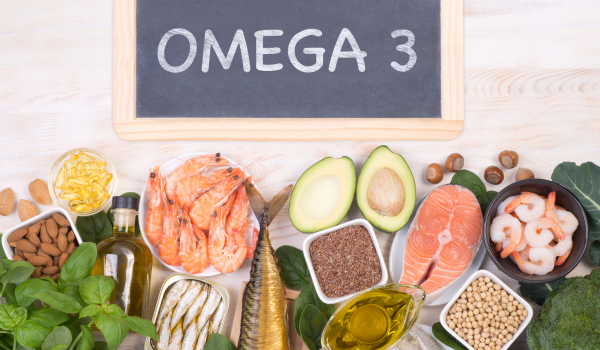
Foods like fish, poultry, eggs, and lean meats are excellent sources of multiple B vitamins, including vitamin B12 and pyridoxine.
Legumes And Nuts
Beans, lentils, nuts, and seeds can help increase B vitamin intake while also supporting heart health.
When Supplements May Be Necessary
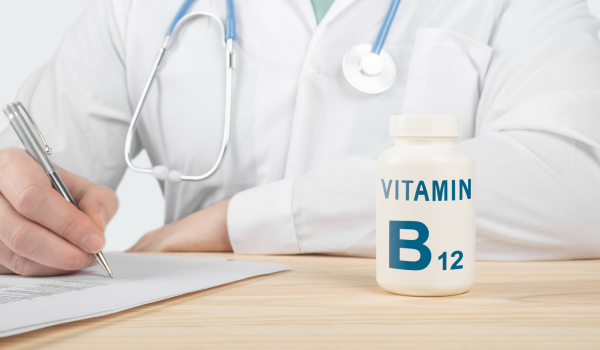
Some individuals, especially people following vegetarian or vegan diets, may struggle to get enough certain B vitamins through food alone.
In these situations, experts recommend speaking with a healthcare provider before starting supplements. A doctor can check for deficiencies and help determine the appropriate dosage based on individual needs.
Healthy Lifestyle Habits Still Matter
While B vitamins may support stroke prevention, they are only one part of a healthy lifestyle.
Experts emphasize that regular exercise, quality sleep, stress management, maintaining healthy blood pressure, and avoiding smoking are all important factors for reducing stroke risk.
A balanced diet combined with multiple healthy habits remains the best long-term strategy for protecting both brain and cardiovascular health.



.png)




.png)












.png)
.png)
.png)
.png)

.png)



.png)