Healthy aging is influenced by many daily habits, and nutrition plays one of the biggest roles. While no single food can guarantee a longer life, regularly eating nutrient-dense, minimally processed foods may help support heart health, brain function, strong bones, healthy digestion, and overall well-being as you age.
Experts recommend building snacks around whole foods such as fruits, vegetables, legumes, nuts, seeds, whole grains, lean proteins, and dairy products. These foods provide important nutrients that help the body stay strong, active, and resilient over time.
Here are six nutritious snack ideas that may support a longer and healthier life.
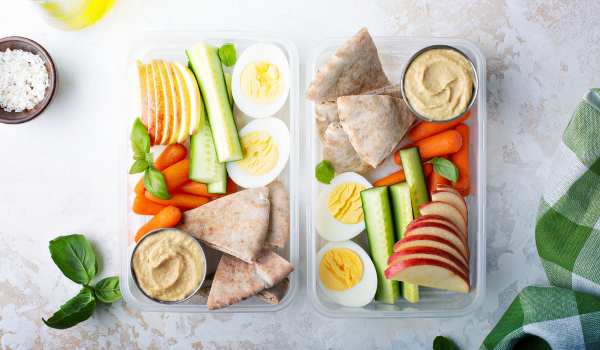
Deviled Eggs With Hummus
Eggs and hummus create a simple, satisfying snack rich in protein and essential nutrients.
Two deviled eggs filled with hummus can provide approximately 14 grams of protein, helping support muscle maintenance, bone strength, and healthy aging. Adequate protein intake becomes especially important as people get older because it helps preserve mobility, independence, and physical function.
Hummus also adds fiber, healthy fats, and plant-based nutrients that support heart and digestive health.
Most healthy adults benefit from consuming enough daily protein to maintain muscle and bone health, though individual needs may vary depending on age, activity level, and medical conditions.
Crispy Edamame
Edamame, or young soybeans, are packed with plant protein, fiber, and beneficial compounds called isoflavones.
Fiber-rich diets have consistently been linked to lower risks of heart disease and premature death. Soy foods may also support cardiovascular health and healthy aging thanks to their antioxidant and anti-inflammatory properties.
Edamame can easily be roasted or air-fried into a crunchy snack that is both filling and nutrient-dense.
Because it combines protein and fiber, edamame may also help support stable energy levels and better appetite control.
Creamy Nut And Cheese Spread
A spread made from cottage cheese and nuts served with whole-grain crackers can provide a variety of nutrients important for healthy bones and muscles.
This combination contains protein, calcium, magnesium, phosphorus, and zinc, all of which support bone density and physical function as people age.
Maintaining strong bones becomes increasingly important for preserving mobility and reducing the risk of fractures later in life.
Adding herbs, garlic, or olive oil can also increase flavor while providing additional antioxidants and healthy fats.
Warm Berry Crumble
A simple berry crumble made with berries, flaxseeds, lemon juice, and a small amount of honey offers a powerful mix of antioxidants and fiber.
Berries are known for their high antioxidant content, which may help protect the body against oxidative stress and inflammation linked to aging and chronic disease.
Flaxseeds provide fiber along with omega-3 fatty acids that support heart and brain health.
Research suggests diets rich in antioxidant-containing foods are associated with lower risks of cardiovascular disease and overall mortality.
Salmon Bites
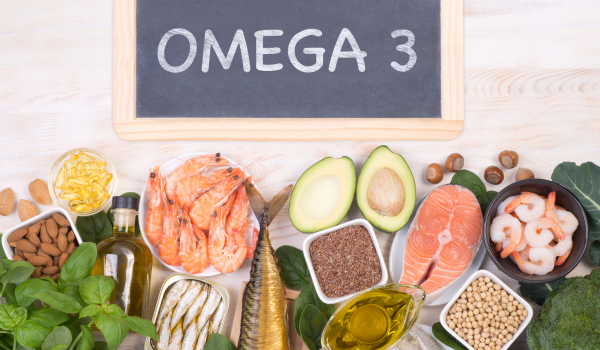
Salmon is one of the best natural sources of omega-3 fatty acids, nutrients strongly linked to healthy aging.
Making salmon bites is simple: cut salmon into small cubes, season lightly, and bake until crispy.
Omega-3 fats may help support heart health, brain function, immune balance, and inflammation control. These nutrients are especially important for protecting long-term cognitive and cardiovascular health.
Salmon also provides high-quality protein and essential minerals that help maintain muscle mass and physical strength.
Beet And Yogurt Smoothie
A smoothie made with beets, yogurt, and naturally sweet ingredients such as banana, dates, or honey provides a wide range of nutrients that support circulation and digestive health.
Beets contain nitrates, which the body converts into nitric oxide. Nitric oxide helps relax blood vessels and may support healthy blood pressure and circulation.
Yogurt adds probiotics, beneficial bacteria that support gut health, nutrient absorption, and immune function. Since digestive health often changes with age, regularly consuming probiotic-rich foods may help maintain a healthier gut environment.
This smoothie also delivers antioxidants and important vitamins that support overall wellness.
Overall Diet Matters More Than Any Single “Superfood”
Although nutrient-rich snacks can support healthy aging, experts emphasize that overall dietary patterns matter more than individual foods.
Research consistently shows that eating patterns such as the Mediterranean diet and DASH diet are associated with lower risks of chronic disease and longer life expectancy.
These diets focus on whole foods including vegetables, fruits, whole grains, legumes, nuts, seeds, healthy fats, and lean proteins while limiting heavily processed foods high in added sugar, sodium, and unhealthy fats.
Long-term consistency with healthy eating habits is generally more important than focusing on one specific “superfood.”
Other Habits That Support Healthy Aging
Nutrition is only one piece of the longevity puzzle. Several other lifestyle habits also strongly influence long-term health and quality of life.
Regular Physical Activity
Exercise supports heart health, muscle strength, mobility, immune function, metabolism, and mental health. Staying physically active can help preserve independence and reduce the risk of chronic disease.
Quality Sleep
Good sleep is essential for recovery, hormone balance, brain health, and immune function. Research suggests people who consistently sleep well may have lower risks of chronic illness as they age.
Mental And Social Well-Being
Activities such as social interaction, lifelong learning, mindfulness practices, and stress management can help support emotional health and cognitive function over time.
Preventive Healthcare
Regular medical check-ups, screenings, and early attention to unusual symptoms can help identify health concerns before they become more serious.


.png)


.png)
.png)






.png)
.png)
.png)
.png)
.png)
.png)