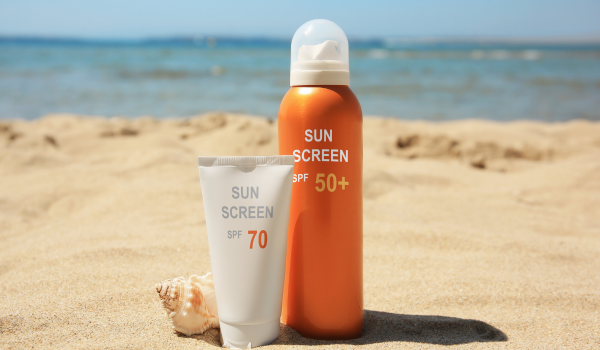
Sunscreen is one of the most important tools for protecting your skin from sunburn, premature aging, and skin cancer. However, many people worry that applying sunscreen every day might block the body’s ability to produce vitamin D naturally.
Since vitamin D is primarily produced when ultraviolet B (UVB) rays from sunlight interact with the skin, it is reasonable to wonder whether sunscreen use could lead to deficiency. Fortunately, current research suggests that most people can continue to maintain healthy vitamin D levels while still protecting their skin with sunscreen.
How Your Body Produces Vitamin D
Vitamin D plays a critical role in maintaining strong bones, supporting immune function, and helping nerves communicate effectively throughout the body.
When UVB rays reach the skin, they trigger a process involving a compound called 7-dehydrocholesterol. This process eventually converts sunlight into vitamin D3, the active form of vitamin D that the body can use.
Because sunlight is one of the primary sources of vitamin D, some people assume that blocking UV rays with sunscreen automatically prevents vitamin D production. In reality, the relationship is much more complex.
Does Sunscreen Prevent Vitamin D Production?
Research consistently shows that regular sunscreen use does not significantly increase the risk of vitamin D deficiency.
Although sunscreen is designed to block UVB radiation, no sunscreen blocks 100% of incoming rays. Even when using a broad-spectrum sunscreen with SPF 30, a small percentage of UVB rays still reach the skin.
This small amount of UV exposure is often enough to stimulate vitamin D production.
In addition, most people do not apply sunscreen perfectly. Dermatologists recommend applying approximately one ounce of sunscreen to exposed areas of the body and reapplying every two hours when outdoors. In reality, many individuals apply less than the recommended amount, allowing even more UVB exposure than expected.
As a result, everyday sunscreen use rarely prevents the body from producing vitamin D altogether.
Why Most People Still Produce Vitamin D
Even people who use sunscreen diligently typically receive small amounts of incidental sun exposure throughout the day.
Examples include:
- Walking to and from a vehicle
- Running errands outdoors
- Taking short walks
- Spending time near windows
- Participating in outdoor activities
These brief exposures often provide enough sunlight to contribute to vitamin D synthesis without significantly increasing the risk of skin damage.
Factors That Affect Vitamin D Production
Not everyone produces vitamin D at the same rate. Several factors influence how efficiently the body converts sunlight into vitamin D.
Skin Tone
People with darker skin contain higher levels of melanin, which naturally protects against UV damage. However, melanin also reduces vitamin D production, meaning longer sun exposure may be required.
Age
As people age, the skin becomes less efficient at producing vitamin D from sunlight.
Clothing Coverage
Individuals who regularly wear clothing that covers most of their skin may absorb less UVB radiation.
Time Of Day
The body is most efficient at producing vitamin D when UVB rays are strongest, typically between 10 a.m. and 4 p.m.
Location And Weather
Cloud cover, air pollution, seasonal changes, and geographic location can all affect the amount of UVB radiation that reaches the skin.
Is It Safe To Skip Sunscreen For Vitamin D?
Most dermatologists strongly advise against avoiding sunscreen in an attempt to increase vitamin D levels.
While sunlight helps produce vitamin D, excessive UV exposure can damage skin cells and significantly increase the risk of skin cancer. Long-term exposure may also contribute to:
- Sunburn
- Premature wrinkles
- Age spots
- Loss of skin elasticity
- Increased skin cancer risk
For this reason, experts recommend protecting your skin while obtaining vitamin D through a combination of sunlight, food, and supplements when needed.
How To Optimize Vitamin D Levels Safely
If you are concerned about vitamin D deficiency, there are safer ways to maintain healthy levels without increasing your risk of skin damage.
Get Brief Sun Exposure
Short periods of sun exposure may be sufficient for many people.
Research suggests that approximately 10 to 15 minutes of sun exposure on the face, arms, or legs several times per week may help maintain adequate vitamin D levels for many individuals.
People with darker skin tones may require longer exposure.
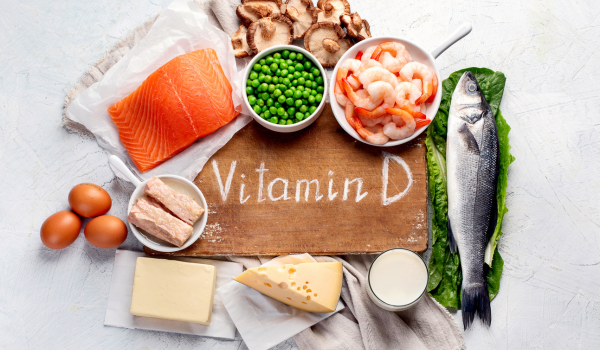
Include Vitamin D-Rich Foods
Several foods naturally contain vitamin D or are fortified with it.
Good sources include:
- Salmon
- Tuna
- Sardines
- Egg yolks
- Mushrooms
- Fortified dairy milk
- Fortified plant-based milk
- Fortified orange juice
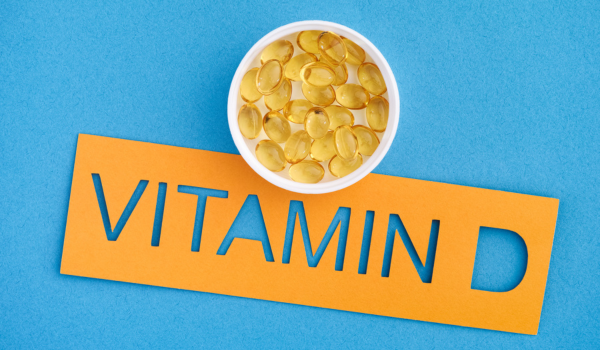
Consider Supplements
Vitamin D supplements are widely available and can help individuals who have difficulty maintaining adequate levels through sunlight and diet alone.
A healthcare provider can recommend an appropriate dosage based on your individual needs.
Get Tested If Needed
A simple blood test can determine whether you are deficient in vitamin D. This is particularly helpful for people at higher risk, including older adults, individuals with darker skin tones, and those who spend little time outdoors.
The Bottom Line
Wearing sunscreen every day is one of the best ways to protect your skin from sun damage and reduce your risk of skin cancer. Fortunately, research shows that sunscreen use does not significantly interfere with vitamin D production for most people.
Even with regular sunscreen use, small amounts of UVB radiation still reach the skin, and incidental daily sun exposure often contributes to vitamin D synthesis. Combined with vitamin D-rich foods and supplements when necessary, most people can maintain healthy vitamin D levels without sacrificing skin protection.
The safest approach is to continue using sunscreen consistently while discussing your vitamin D status with your healthcare provider if you have concerns about deficiency.

.png)



.png)



.png)
.png)










.png)
.png)
.png)
.png)

.png)



.png)