
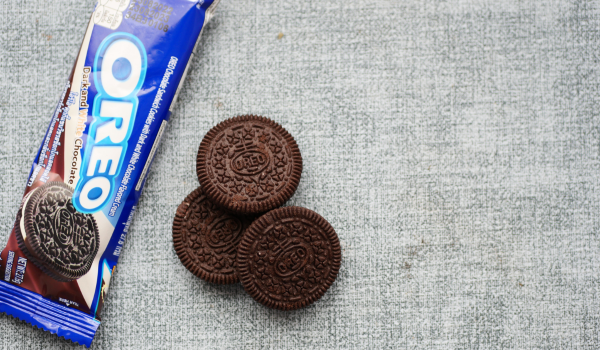
Oreos may be a popular sweet treat, but traditional varieties contain refined flour and added sugar that can quickly elevate blood glucose levels. A zero-sugar version has emerged as an alternative with fewer added sugars and slightly fewer calories. The question is whether it truly supports healthier blood sugar management.
How Classic Oreos Affect Blood Sugar
High in refined carbohydrates
Classic Oreos rely heavily on refined flour, sugar, and high-fructose corn syrup—ingredients digested quickly and absorbed rapidly into the bloodstream.
Because they contain minimal protein and fiber, there is little to slow digestion or moderate glucose release. As a result, blood sugar can increase sharply, especially when Oreos are eaten by themselves.
Impact on different individuals
People with normal glucose metabolism may tolerate occasional high-sugar foods without major issues.
However, those living with insulin resistance, prediabetes, or diabetes may notice much larger and faster spikes, making portion control even more important.
How Zero-Sugar Oreos Affect Blood Sugar
Sweetened without traditional sugar
Zero-Sugar Oreos replace added sugars with sugar alcohols and artificial sweeteners, such as maltitol, sorbitol, acesulfame potassium, and sucralose.
Sugar alcohols are only partially absorbed, often resulting in lower glucose responses than table sugar.
Artificial sweeteners provide sweetness while contributing no calories and do not directly raise blood glucose, making these cookies less likely to trigger rapid spikes.
Potential drawbacks
Despite the advantage of having no added sugar, Zero-Sugar Oreos still contain a similar amount of total carbohydrates, meaning they still influence blood sugar overall.
Sugar alcohols can also cause digestive discomfort—including gas, bloating, and diarrhea—especially when eaten in larger amounts.
In addition, regular long-term intake of artificial sweeteners has raised concerns about gut health, metabolic effects, and associations with increased risks of cardiovascular conditions.
Which Type Is Better For Blood Sugar?
Depends on the individual and the portion size
Neither version is intended as a health food, but both can fit into a balanced diet when eaten sparingly.
Classic Oreos cause fast blood sugar rises due to added sugars and refined carbohydrates. Zero-Sugar Oreos may prevent sharp spikes, but consuming several cookies still results in significant carbohydrate intake.
It’s also worth noting that relying frequently on artificial sweeteners may not support long-term health.
Experts agree the most important principle is moderation.
Whether you choose classic or sugar-free, keeping portions small and occasional allows space for nutrient-dense foods that better support overall metabolic health.
Nutrition Breakdown
Per 2-cookie serving:
• Calories: Classic 106 vs Zero-Sugar 90
• Total carbs: Classic 16.6 g vs Zero-Sugar 16 g
• Added sugar: Classic 8.6 g vs Zero-Sugar 0 g
• Fiber: Classic <1 g vs Zero-Sugar 2 g
• Sugar alcohols: Classic 0 g vs Zero-Sugar 6 g
• Sweeteners:
-
Classic: Sugar, high-fructose corn syrup
-
Zero-Sugar: Sorbitol, maltitol, acesulfame potassium, sucralose
While the sugar-free option removes added sugars, the total carbs are nearly identical—meaning both types impact blood sugar and should be treated as occasional indulgences.

.png)






.png)
.png)
.png)
.png)

.png)
.png)
.png)
.png)
.png)
.png)
.png)
.png)
.png)
.png)



.png)
.png)
.png)
.png)

