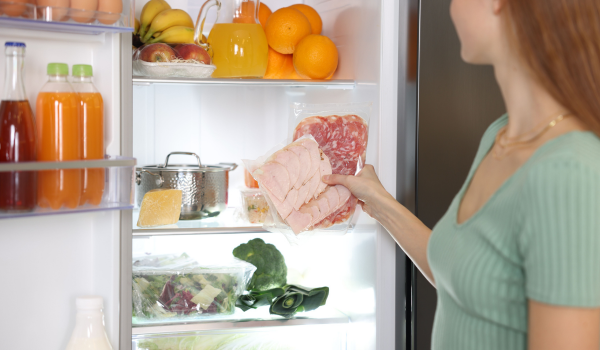
Shared refrigerators are common in offices, dormitories, shared apartments, and communal living spaces. While they seem like simple storage solutions, they quietly shape food choices, meal timing, and eating behavior. Limited shelf space, visibility, social dynamics, and concerns about labeling or spoilage all influence what people buy and how they consume it. Understanding how shared fridges affect eating patterns helps explain why meals may feel less structured and why certain foods become more common in communal settings.
Limited Space And Simplified Food Choices
Reduced Storage Capacity
Shared fridges typically divide space among multiple people. Each person may have only a small shelf or drawer. This limitation discourages bulk purchases, meal prepping large batches, or storing multiple fresh ingredients at once.
As a result, people often choose foods that take up less space. Compact, ready-to-eat items such as yogurt cups, small containers, packaged sandwiches, or pre-cut vegetables become more appealing than large containers of cooked meals.
Over time, this constraint simplifies food variety. Eating becomes centered around smaller portions and fewer ingredients because storage capacity shapes purchasing decisions before meals are even prepared.
Short-Term Planning Instead Of Weekly Planning
When fridge space is limited, food cannot be stored for long periods. Grocery trips may happen more frequently, and meals may be planned only a few days at a time.
Short-term planning increases flexibility but can reduce consistency. If ingredients run out unexpectedly, people may rely on convenience foods or eating out rather than cooking from scratch.
Visibility And Social Awareness
Food As A Public Display
In shared environments, refrigerator contents are visible to others. This visibility can influence what people choose to store. Some may avoid foods they feel self-conscious about. Others may prioritize items that appear simple and neutral.
The presence of others’ food also shapes perception. Seeing desserts, snacks, or specialty drinks can increase the likelihood of purchasing similar items.
Food choices are not made in isolation. They are influenced by the shared visual environment inside the fridge.
Social Comparison And Norms
If most people store ready-made meals or takeout containers, others may adopt similar habits. If fresh produce and home-cooked meals are common, that pattern may spread as well.
Shared fridges create subtle social norms around what is typical or acceptable. These norms influence behavior more strongly than individual intention alone.
Concerns About Spoilage And Security
Fear Of Food Being Taken
In some communal settings, concerns about food being accidentally or intentionally taken can influence purchasing decisions. People may avoid storing expensive or specialty ingredients.
This concern can lead to buying smaller quantities or choosing foods that can be consumed quickly.
Avoiding Strong-Smelling Or Messy Foods
In close quarters, strong odors or spills affect everyone. Residents or coworkers may avoid foods with strong aromas to prevent complaints.
This can limit dietary variety. Foods that require longer storage or fermentation may be avoided, shaping meal options over time.
How Shared Fridges Influence Meal Structure
Smaller, Portable Meals
Shared fridges often encourage individually packaged items. Meals are stored in small containers, designed for quick access and minimal space.
This promotes portability but may reduce the experience of sitting down to a structured meal. Eating becomes more functional and less ritualized.
Reduced Batch Cooking
Large pots of soup or trays of baked dishes require space. With limited shelf availability, cooking in bulk becomes impractical.
This reduces leftovers and increases reliance on daily preparation or ready-made options.
Impact On Hunger And Satiety Patterns
Fragmented Eating
Smaller stored portions may lead to multiple small eating events rather than one substantial meal. While this can prevent extreme hunger, it may also reduce the feeling of fullness that comes from a complete meal.
Satiety depends partly on the perception of a meal as finished. Frequent small containers can blur that boundary.
Increased Snacking
When space is tight, people often prioritize snack-sized foods. Yogurt cups, cheese sticks, fruit, and single-serving items fit easily on crowded shelves.
While convenient, frequent snack consumption can shift appetite rhythms and make hunger feel less predictable.
Workplace Shared Fridges
Structured Lunch Hours
In offices, shared fridges store packed lunches. Meal timing often aligns with workplace schedules rather than hunger cues.
If fridge access is limited or crowded, some may skip storing fresh meals altogether and rely on cafeteria or vending options.
Competition For Space
When fridge space is scarce, employees may avoid bringing perishable items. Shelf-stable foods become safer choices, even if less balanced.
This practical adjustment influences daily nutrient intake.
Dormitories And Student Living
Budget And Storage Constraints
Students often share fridges with limited space and budget. Purchasing inexpensive, compact foods becomes practical.
Cooking may be minimal if kitchen access is shared or restricted. Ready-made meals and snacks often replace balanced cooking routines.
Irregular Meal Timing
Shared kitchens and fridges may not always be available when hunger appears. This unpredictability affects meal timing and appetite stability.
Students may adapt by eating at irregular hours or relying on quick foods.
Strategies To Eat Well With Shared Fridges
Prioritizing Versatile, Compact Foods
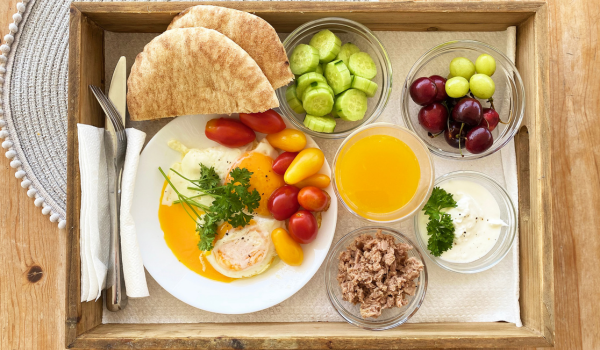
Choosing ingredients that combine easily and store efficiently supports balanced meals. Examples include eggs, pre-washed greens, cooked grains in small containers, and canned legumes.
Versatile foods maximize limited space without sacrificing nutrition.
Labeling And Organization
Clear labeling reduces confusion and protects personal food. Organized storage prevents waste and supports efficient use of space.
When shelves are orderly, planning becomes easier.
Small Batch Meal Prep
Preparing two or three servings at a time allows for leftovers without overwhelming the fridge. Rotating meals every few days maintains variety.
This approach balances space limitations with structured eating.
Using Freezer Space Wisely
Even shared freezers can support meal structure. Storing small portions of cooked proteins or vegetables extends flexibility.
Freezer organization becomes more important than freezer size.
Psychological Effects Of Shared Food Storage
Increased Awareness Of Food Presence
Opening a shared fridge exposes people to a variety of foods at once. This visibility can trigger cravings unrelated to hunger.
Being aware of this influence helps separate curiosity from appetite.
Reduced Autonomy In Food Planning
Limited control over storage may feel restrictive. Recognizing this constraint allows planning around it rather than reacting to it.
Structure restores a sense of control without requiring more space.
Supporting Balanced Patterns Over Time
Maintaining Meal Anchors
Even with shared storage, maintaining consistent meal times supports hunger regulation. A clear lunch or dinner anchor reduces reliance on constant snacking.
Structure matters more than quantity of food stored.
Viewing Constraints As Neutral Factors
Shared fridges do not inherently prevent healthy eating. They simply shape environment and choice.
Adapting thoughtfully ensures that eating patterns align with personal needs rather than space limitations.
Shared fridges influence what people buy, how they store food, and how meals are structured. Limited space, visibility, and social norms shape food choices before eating even begins. By selecting versatile ingredients, organizing efficiently, and maintaining clear meal anchors, it is possible to eat well in communal settings. Learn more about how environment shapes appetite, explore practical strategies for shared living, and take action today to build balanced routines that work within your space.
















.png)
.png)
.png)
.png)

.png)
.png)
.png)
.png)
.png)
.png)
.png)
.png)
.png)
.png)


.png)
.png)
.png)
.png)
.png)
.png)
.png)