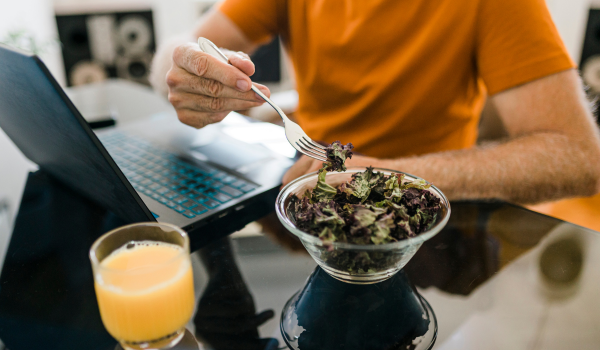
Office pantries seem like small, harmless features of the workday, yet they quietly influence how and why people eat. What is placed on a shelf, how often it is refilled, and when employees pass by all shape daily snacking patterns. Many people snack not because they are hungry, but because food is visible, convenient, and socially normalized. Understanding how office pantries shape daily snacking helps explain why appetite can feel inconsistent during work hours and why mindful structure matters more than willpower.
The Pantry As A Daily Food Environment
Constant Visibility And Easy Access
Office pantries are designed for convenience. Snacks are placed in shared spaces that employees pass multiple times a day. Simply seeing food activates appetite-related pathways in the brain, even when physical hunger is low. This response is automatic and not a sign of poor self-control.
When food is always available, the brain interprets availability as an opportunity to eat. Over time, this conditions people to snack whenever they enter the pantry, regardless of need. Visibility becomes a stronger driver than hunger.
Environmental Cues Over Biological Signals
In a typical office setting, people check the pantry during breaks, after meetings, or while refilling water. These moments become cues for eating. The body learns to associate certain times or activities with snacks, weakening the connection between eating and internal signals.
Instead of hunger guiding intake, routine does. This is how snacking becomes habitual rather than responsive.
How Snack Variety Influences Eating Behavior
Choice Overload And Grazing
Office pantries often offer a wide range of snack options. While variety seems positive, it can encourage grazing. When multiple choices are available, people are more likely to sample several items rather than eat one satisfying option.
This pattern delivers calories without creating a clear sense of completion. The body receives energy in fragments, which can prolong appetite rather than satisfy it.
Highly Palatable Foods And Reward Loops
Many office snacks are engineered for taste, combining sugar, salt, and refined carbohydrates. These foods stimulate reward centers in the brain quickly but do not support lasting satiety.
Repeated exposure reinforces a reward loop. Employees learn that a quick pantry visit provides a burst of pleasure or energy, encouraging frequent returns. Over time, this loop can replace hunger as the reason for eating.
The Role Of Work Structure And Timing
Meetings And Stress-Based Snacking
Snacking often increases around stressful moments such as long meetings or tight deadlines. Stress hormones influence appetite and increase the appeal of quick energy foods. When the pantry is nearby, it becomes a coping mechanism rather than a food source.
This pattern links stress relief with snacking. The body may crave food during pressure even if energy needs are met.
Disrupted Meal Rhythms
Busy schedules can delay or shorten meals. When lunch is rushed or skipped, the pantry fills the gap. Snacking becomes a substitute for meals rather than a complement.
This substitution weakens meal-based satiety. Without a solid meal foundation, hunger resurfaces quickly, driving repeated pantry visits.
Social Dynamics Around Office Snacking
Group Norms And Shared Habits
Eating is a social behavior. When coworkers gather in the pantry, others are more likely to join, even if they were not planning to eat. Shared snacking becomes a form of social connection.
Over time, this creates group norms. Certain times of day become unofficial snack times. Declining food can feel awkward, reinforcing participation regardless of hunger.
Celebrations And Free Food Culture
Office celebrations often center on food. Birthdays, milestones, and meetings are marked with snacks or treats. Free food carries a strong psychological pull, increasing the likelihood of eating beyond need.
Because these events are unpredictable, they add irregularity to eating patterns. The body cannot anticipate them, making appetite feel less stable.
Pantry Layout And Portion Perception
Packaging And Portion Size
Individual snack packages appear small, encouraging the perception that one item is insignificant. However, multiple packages consumed throughout the day can add up quickly.
Because each snack feels minor, intake may go unnoticed. This makes it harder to connect eating with fullness or energy levels.
Placement And Default Choices
Items placed at eye level or near the entrance are chosen more often. When less nourishing snacks are most visible, they become the default option.
This design shapes behavior without conscious choice. The pantry layout guides decisions more strongly than intention.
How Frequent Snacking Affects Hunger Awareness
Blunted Hunger Signals
Frequent small snacks can prevent the body from experiencing clear hunger. While this may seem beneficial, it can dull awareness of true appetite.
Without clear hunger, it becomes harder to judge when and how much to eat at meals. Eating turns into a constant background activity rather than a response to need.
Incomplete Satiety
Snacks are often eaten quickly and without focus. This reduces sensory satisfaction and delays satiety signals. The body receives calories but not a sense of completion.
As a result, people may snack again soon after, even if energy needs are met.
Psychological Effects Of Pantry-Based Eating
Mindless Consumption
Pantry snacking often happens automatically. Food is eaten while standing, talking, or thinking about work. This lack of attention reduces enjoyment and awareness.
When eating is mindless, satisfaction decreases. People may feel like they are always eating but never fully satisfied.
Guilt And Food Judgment
Office snacks are often labeled as indulgent. Repeated snacking can trigger guilt or self-criticism, adding emotional stress to eating.
This emotional layer complicates the relationship with food. Eating becomes something to manage or justify rather than a neutral activity.
How The Body Adapts To Pantry Patterns
Learning Availability-Based Eating
The body adapts to repeated exposure. If snacks are consumed at certain times daily, hunger hormones may begin to rise in anticipation of those moments.
This adaptation makes snacking feel necessary even when meals are adequate. Appetite aligns with availability rather than need.
Energy Regulation Over The Day
The body regulates energy over longer periods. Frequent snacking may shift intake away from meals, altering overall patterns.
Some people feel less hungry at meals and more reliant on snacks, changing the structure of eating without intention.
Making Office Pantries Work Better For Appetite Balance
Creating Clear Meal Anchors
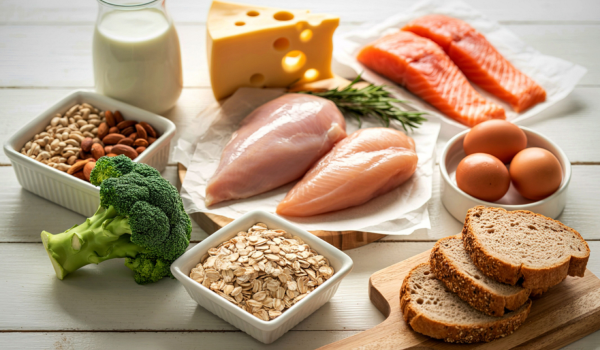
Strong meals reduce reliance on snacks. Eating a balanced lunch with protein, fiber, and fats supports lasting satiety.
When meals are satisfying, pantry visits become optional rather than necessary.
Choosing Snacks Intentionally
Not all snacks undermine appetite. Choosing options with protein and fiber supports steadier energy and reduces repeated snacking.
Treating snacks as planned nourishment rather than impulse reduces mindless intake.
Adjusting Pantry Environments
Small environmental changes matter. Placing nourishing snacks at eye level and less supportive options out of immediate view shifts default behavior.
Visibility shapes choice more than motivation.
Pausing Before Snacking
A brief pause to check hunger helps distinguish need from habit. Asking whether food is needed for energy or comfort builds awareness without restriction.
This pause often reduces automatic eating.
Building Healthier Workday Eating Rhythms
Respecting Biological Signals At Work
Even in structured environments, internal cues can be honored. Eating when hungry and stopping when satisfied restores trust in the body.
This does not require eliminating snacks, only using them in response to need.
Accepting Social Eating Without Overcomplication
Participating in social snacking does not negate healthy patterns. The body responds to overall trends, not isolated moments.
Removing judgment reduces stress and supports balance.
Office pantries quietly shape daily snacking by influencing availability, routine, and social behavior. Visibility, stress, and group norms often drive eating more than hunger. By understanding these influences, people can adjust their approach to snacking without relying on strict control. Supporting strong meals, intentional snack choices, and awareness of patterns helps restore balance. Learn more about how environments shape appetite, explore ways to work with your office routine, and take action today to make daily snacking feel more aligned with your body.


.png)
.png)
.png)
.png)
.png)
.png)
.png)
.png)
.png)
.png)
.png)
.png)
.png)
.png)

.png)
.png)
.png)
.png)
.png)
.png)
.png)
.png)