
.png)
Late-night entertainment has become a regular part of modern life. Streaming shows, gaming, scrolling on phones, and social media can easily extend well past bedtime. When evenings are filled with screens and stimulation, eating habits often shift in subtle but powerful ways. Food becomes part of the entertainment rather than a response to hunger.
Late-night eating is not only about what people eat, but why and how they eat. Fatigue, distraction, and habit combine to change portion size, food choices, and awareness of fullness. Understanding how late-night entertainment shapes eating patterns helps explain why nighttime snacking feels automatic—and why it often leads to discomfort, poor sleep, or next-day fatigue.
Why Late-Night Entertainment Triggers Eating
Distraction Replaces Hunger Awareness
Screens pull attention away from body signals, making it harder to recognize true hunger.
Food Becomes Part Of The Activity
Snacks are treated like accessories to movies or games.
Fatigue Weakens Self-Regulation
Tired brains seek quick comfort and easy pleasure.
How Screen Time Affects Appetite
Blue Light Alters Sleep Hormones
Light exposure suppresses melatonin, delaying sleep and extending eating time.
Stimulation Increases Cravings
Fast-moving content raises stress hormones that increase desire for quick energy foods.
Mindless Bites Accumulate
Small repeated bites turn into large calorie intake without awareness.
Common Food Choices During Late-Night Entertainment
Highly Processed Snacks Dominate
Chips, candy, and baked goods are easy to eat without utensils.
Sugary Drinks And Caffeinated Beverages Appear
These prolong wakefulness and appetite.
Leftovers Become Convenience Meals
Portion control becomes less intentional.
How Late-Night Eating Affects Portion Size
Large Packages Remove Stopping Points
Eating straight from bags or boxes blurs limits.
Distraction Reduces Satiety Recognition
Fullness signals arrive after overeating.
Speed Of Eating Increases
Chewing slows when attention is elsewhere.
The Impact On Digestion
Heavy Foods Slow Nighttime Digestion
The digestive system naturally slows at night.
Bloating And Discomfort Increase
Large late meals strain the gut.
Acid Reflux Becomes More Likely
Lying down soon after eating worsens symptoms.
Late-Night Eating And Sleep Quality
Blood Sugar Fluctuations Disrupt Sleep
High-sugar snacks increase nighttime awakenings.
Digestive Activity Competes With Rest
The body works instead of recovering.
Caffeine And Sugar Delay Sleep Onset
Entertainment foods prolong alertness.
Emotional And Psychological Factors
Food Becomes A Reward
Snacking signals the start of relaxation time.
Stress Relief Is Sought Through Eating
Comfort foods soothe mental fatigue.
Routine Replaces Hunger
The body learns to expect food with screens.
Social Norms Around Nighttime Snacking
Entertainment Is Linked With Food Marketing
Ads reinforce eating during viewing.
Group Viewing Encourages Shared Snacking
Social settings increase portion size.
Late Hours Reduce Conscious Choice
Automatic habits take over.
How Late-Night Habits Affect Morning Eating
Reduced Morning Appetite
Late meals delay hunger the next day.
Skipping Breakfast Becomes Common
Energy drops mid-morning.
Blood Sugar Becomes Less Stable
Irregular timing affects focus and mood.
Long-Term Effects Of Nighttime Eating Patterns
Weight Changes Accumulate Gradually
Extra calories are added consistently.
Digestive Rhythm Becomes Disrupted
The gut loses predictable timing.
Cravings Shift Toward Quick Foods
Taste preferences adapt to late-night snacks.
Signs Late-Night Entertainment Is Driving Your Eating
-
Snacking only when watching or gaming
-
Eating without hunger
-
Feeling overly full before bed
-
Poor sleep after nighttime eating
-
Low energy in the morning
-
Digestive discomfort at night
These patterns reflect routine, not lack of willpower.
Making Late-Night Eating More Intentional
Decide Before The Screen Turns On
Plan whether food is needed.
Use A Plate Instead Of A Package
Visual portions help regulate intake.
Choose Slower-To-Eat Foods
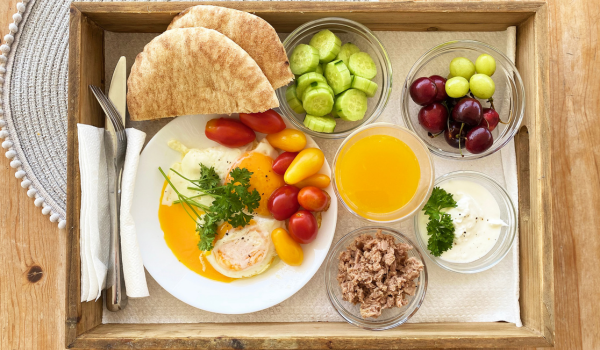
Fruits, yogurt, or nuts reduce speed.
Better Snack Choices For Late-Night Entertainment
Protein And Fiber Improve Satiety
These reduce overeating.
Hydrating Foods Reduce False Hunger
Soup, fruit, or herbal tea support comfort.
Avoid High Sugar And Caffeine
They disrupt sleep quality.
How To Separate Hunger From Habit
Pause Before Snacking
Check for stomach hunger versus boredom.
Drink Water First
Thirst mimics hunger.
Change Activity If Not Hungry
Stretching or brushing teeth breaks the pattern.
Using Environment To Reduce Mindless Eating
Keep Snacks Out Of Reach
Distance reduces impulse.
Create A Cutoff Time For Eating
Structure protects sleep.
Dim Lighting During Entertainment
Reduces stimulation and appetite.
Building Healthier Nighttime Routines
Eat A Balanced Dinner
Prevents late hunger.
Create A Wind-Down Ritual Without Food
Reading or stretching replaces snacking.
Limit Screen Time Before Bed
Reduces appetite and improves sleep.
Why Restriction Often Backfires
Late-Night Is Emotionally Charged
Rules feel harder to follow.
Fatigue Weakens Control
Flexibility works better than bans.
Balance Builds Sustainability
Occasional snacks are normal.
How To Enjoy Entertainment Without Overeating
Eat Before You Watch
Separate food from screens.
Choose Smaller Portions
Stop before fullness.
Slow The Pace
Notice taste and texture.
Long-Term Benefits Of Changing Late-Night Eating Habits
Improved Sleep Quality
Less digestion at night.
More Stable Energy
Better mornings.
Reduced Digestive Discomfort
Lighter evenings.
Healthier Relationship With Food
Eating becomes intentional.
Why Awareness Matters More Than Rules
Late-Night Eating Is Habit-Driven
Understanding breaks patterns.
Body Signals Are Reliable Guides
Hunger and comfort provide feedback.
Small Changes Create Big Results
Gradual shifts last longer.
Conclusion
Eating habits around late-night entertainment are shaped by fatigue, distraction, and routine rather than true hunger. Screens encourage mindless snacking, larger portions, and foods that disrupt digestion and sleep. Over time, these patterns affect energy, mood, and overall health.
Eating well at night does not require eliminating snacks or avoiding entertainment. By creating small boundaries, choosing supportive foods, and reconnecting with hunger and fullness cues, people can enjoy evening routines without harming sleep or comfort. Explore more practical nutrition insights on Health365s.com to build eating habits that support both relaxation and well-being.







.png)
.png)
.png)
.png)


.png)
.png)
.png)
.png)
.png)
.png)
.png)
.png)
.png)
.png)


.png)
.png)
.png)
.png)
.png)
.png)
.png)
.png)

